Tel
+86 189 2488 5105

Global public seating service provider
Foshan Winner Furniture Co., Ltd.
Tel
+86 189 2488 5105
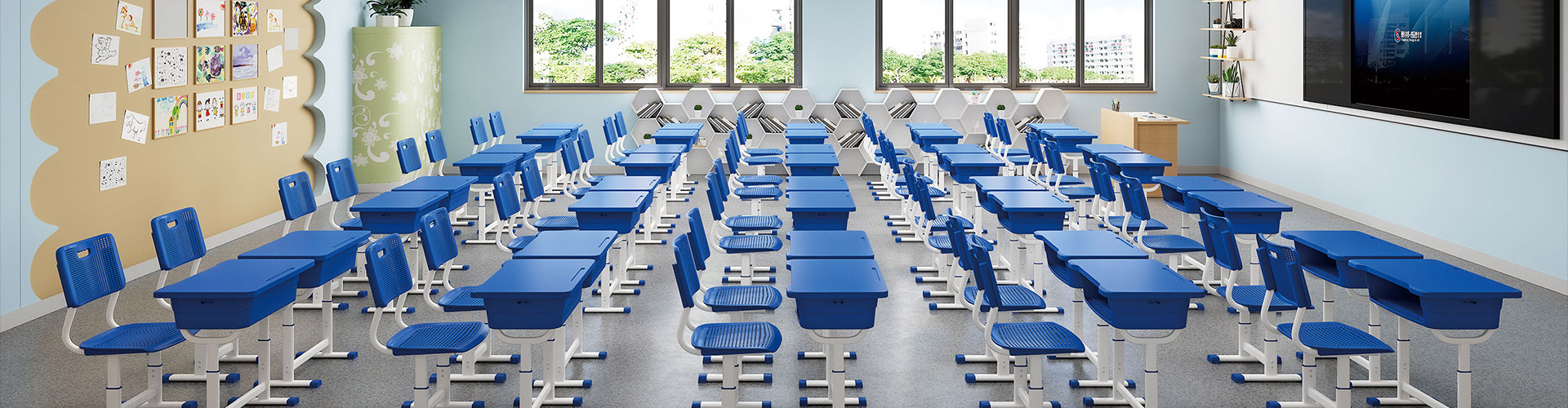
When I evaluate training chairs customization options, I start with the room’s purpose, user duration, storage limits, cleaning requirements, and purchasing budget. Custom training chairs can be configured through materials, upholstery, mesh, plastic shells, frame finishes, colors, writing surfaces, mobility systems, storage features, ergonomic adjustments, branding, and project-specific dimensions. The right specification should support daily use without adding functions that the room does not need.
Training chair customization options are changes made to a standard training chair so it fits a specific room, user group, visual identity, or operating requirement. These changes may involve visible elements, such as upholstery and color, or structural elements, such as writing tablets, casters, folding mechanisms, nesting clearances, linking devices, and adjustable components. I usually separate customization into four groups before requesting a quotation:
Materials: polypropylene, plastic composite, steel, aluminum, fabric, PU leather, mesh, plywood, laminate, and foam.
Colors and finishes: seat-shell colors, upholstery colors, powder-coated frame finishes, wood tones, Pantone matching, RAL matching, and logo details.
Functions: armrests, writing tablets, casters, folding, nesting, stacking, linking, swivel bases, adjustable height, lumbar support, and power accessories.
Procurement: sample approval, technical drawings, minimum order quantity, inspection, warranty, packaging, lead time, and freight planning.
I recommend treating customization as a performance decision rather than a decoration exercise. A chair used in a primary school needs different surfaces and proportions from a chair placed in a corporate classroom or healthcare training room. The best result comes from matching every selected option to cleaning frequency, sitting duration, room layout, expected movement, and replacement requirements.
Custom training chair materials normally include molded polypropylene, other plastic shells, powder-coated steel, aluminum, fabric, mesh, PU leather, plywood, laminate, and different foam densities. Each material affects weight, cleaning, comfort, appearance, durability, and unit cost. I ask buyers to identify the most demanding daily condition first, because a material that works in a low-traffic conference room may require more maintenance in a school or public facility.
| Material or component | Suitable environments | Main advantages | Points to check |
|---|---|---|---|
| Polypropylene or molded plastic | Schools, examination rooms, high-volume training | Lightweight, wipe-clean, available in multiple colors | Shell thickness, UV exposure, flexibility, edge design |
| Powder-coated steel | Corporate classrooms, universities, public facilities | Stable frame, many finish options, suitable for repeated movement | Weld quality, coating coverage, corrosion protection |
| Aluminum | Mobile training rooms and premium projects | Lower weight than many steel frames, modern appearance | Load rating, joint design, repair availability |
| Fabric upholstery | Corporate classrooms and seminar rooms | Soft touch, broad color range, acoustic and visual warmth | Stain resistance, replacement panels, cleaning method |
| PU leather | Executive training and conference rooms | Wipe-clean surface and formal appearance | Heat, abrasion, peeling, and ventilation conditions |
| Mesh | Warm climates and longer sessions | Air circulation and flexible back support | Mesh tension, frame support, snag resistance |
| Plywood or laminate tablet | Training centers and lecture spaces | Stable writing surface and broad finish choices | Moisture resistance, edge sealing, tablet load capacity |
For schools and universities, I generally favor molded plastic seats or shells paired with powder-coated steel frames. These surfaces are easier to wipe between sessions and can reduce the visual impact of scratches when darker or medium-tone colors are selected. In corporate training rooms, fabric or mesh backs may provide better comfort during workshops lasting several hours, while PU leather is more suitable when frequent surface cleaning is a priority.
Healthcare and high-traffic facilities require closer attention to seams, exposed fasteners, non-porous surfaces, and disinfectant compatibility. Upholstery should be checked against the facility’s cleaning chemicals before production. If a buyer needs a premium visual finish, I still recommend requesting an abrasion specification, stain-resistance information, replacement procedure, and warranty exclusions rather than choosing solely from a color card.
Training chair color customization can cover the seat shell, back shell, upholstery, frame, tablet, trim, and logo area. A project may use one consistent color for a professional appearance, two colors to separate departments, or different colors to identify room zones. I advise buyers to approve physical samples because screen colors and printed swatches can differ from the final molded plastic, powder coating, or textile result.
For company branding, the safest process is to provide an approved Pantone or RAL reference, the logo file, and the intended application method. Branding may include embroidery, printing, laser marking, logo embossing, custom packaging, or a private-label label. WINNER’s published OEM/ODM information includes RAL and Pantone matching, more than 200 fabric and leather choices, custom logo embossing, and private-label production from a stated minimum order quantity of 500 pieces.
Color selection should also reflect maintenance and replacement planning. Very light upholstery can make stains more visible, while very dark plastic can show dust or abrasion in bright classrooms. For large projects, I recommend recording the exact color code, material batch, finish type, and approved sample number in the purchase documents so future additions do not create visible differences.
Training chair functions and features should be selected according to room layout, storage constraints, user duration, accessibility needs, and the type of activity performed at the seat. A writing tablet is useful for note-taking and laptop work, but it also increases chair width and may affect nesting or aisle clearance. Casters improve movement, while linking devices can help maintain orderly rows during lectures.
I begin with the room’s operating pattern. If staff reconfigure the room several times per day, casters, nesting, folding, or lightweight frames may deliver more practical value than extensive upholstery upgrades. If users remain seated for extended sessions, I give greater attention to back support, seat contour, armrests, tablet position, and ventilation.
| Room requirement | Useful functions | Practical concern |
|---|---|---|
| Frequent group-work changes | Casters, swivel base, lightweight frame | Include locking casters where movement must stop during use |
| Limited storage space | Nesting, stacking, folding | Confirm the stacked or nested height and handling method |
| Lecture or note-taking use | Writing tablet, tablet angle adjustment, left- or right-hand versions | Check tablet width, elbow clearance, and aisle space |
| Fixed classroom rows | Linking devices, casters with brakes, consistent seat width | Confirm row spacing and emergency circulation paths |
| Multipurpose halls | Folding, nesting, transport carts | Review folded depth and storage-room door dimensions |
| Long corporate sessions | Armrests, mesh back, lumbar support, seat cushioning | Test the complete chair rather than choosing features separately |
| Accessibility-sensitive layouts | Clear transfer space, suitable armrest geometry, accessible circulation | Confirm requirements with the project’s local standards |
WINNER lists several training chair configurations, including mobile chairs with wheels, stackable disc chairs, folding chairs, nesting capabilities, writing tablets, USB charging options, reinforced steel frames, and different upholstery materials. Its published training chair with writing pad specification includes a 12-by-16-inch flip-up writing tablet, a reinforced steel frame, and a stated 300-pound weight capacity for that product category. These figures should still be confirmed for the exact model quoted.
Adjustable components can include seat height, tablet angle, armrest position, back support, or writing-surface orientation. Each adjustment adds hardware, inspection points, and possible maintenance requirements. I recommend specifying only the adjustments that solve a documented user or room problem, especially when the project has a strict budget or a demanding delivery schedule.
Not every color change qualifies as project-level customization. A standard catalog option usually means selecting an existing model, approved material, standard color, and available accessory. This route normally reduces sampling work and may suit smaller orders or routine replacements.
OEM or project-level customization can change dimensions, molds, frame geometry, tablet position, branding, packaging, upholstery construction, or installation details. It is more appropriate when a project has unusual room dimensions, a consistent brand system, accessibility requirements, a private-label program, or a large repeated order. I would not request a new mold for a small order unless the long-term replacement value justifies the tooling and sampling expense.
| Customization level | Typical changes | Best fit | Procurement impact |
|---|---|---|---|
| Catalog selection | Standard model, color, material, and accessories | Small businesses and routine replacements | Shorter approval cycle and lower sampling burden |
| Configured model | Tablet, caster, upholstery, frame finish, or storage option | Corporate classrooms and universities | Requires technical confirmation and sample review |
| OEM project | New dimensions, branding, mold, packaging, or structural design | Large tenders, distributors, and branded facilities | Higher development effort, MOQ, and approval requirements |
I use a documented workflow to reduce misunderstandings between the buyer, designer, and factory. The sequence below also provides a clear record for quality control and later replacement orders.
Define the requirements. Record room dimensions, seat quantity, user age range, session length, storage method, cleaning chemicals, accessibility needs, color standards, budget, and target delivery date.
Select a base model. Compare seat width, back height, frame structure, weight, load rating, tablet configuration, caster type, and stacking or nesting performance.
Request material and finish samples. Approve plastic color, upholstery, mesh, powder coating, laminate, wood tone, logo application, and tablet surface using physical samples where possible.
Review technical drawings. Check overall dimensions, seat height, tablet clearance, wheel position, folded depth, nesting height, row spacing, packaging dimensions, and installation details.
Inspect a prototype. Test stability, writing posture, tablet movement, armrest clearance, caster braking, linking, folding, nesting, and cleaning access with representative users.
Confirm the commercial quotation. Ensure the price identifies model, materials, accessories, packaging, sampling charges, tooling, MOQ, inspection terms, warranty, delivery terms, and freight assumptions.
Approve production and inspection. Use the approved drawing and sample as the reference for incoming materials, welding, coating, upholstery, assembly, function testing, packaging, and final inspection.
Plan delivery and after-sales service. Confirm spare parts, assembly instructions, replacement upholstery, transport damage procedures, warranty response, and future color or model availability.
WINNER describes an OEM process that includes requirements submission, CAD drawings and 3D renders, physical samples, mass production, quality inspection, and shipping support. Its published timing states that physical samples may be shipped within 7–15 days, while mass production may require 25–45 days depending on order volume. These should be treated as planning references until the supplier confirms the exact project schedule in writing.
Custom training chair pricing is controlled by more than the seat and frame. For early budgeting, I often separate projects into indicative bands: approximately $35–$70 per chair for basic plastic or steel configurations, $70–$140 for chairs with tablets, casters, nesting, or upgraded upholstery, and $140–$300 or more for project-level designs with premium materials, extensive branding, special mechanisms, or low-volume development. These are planning ranges, not supplier quotations, and freight, duties, tooling, packaging, and installation can change the delivered cost substantially.
Quotation variables should include quantity, model, material, frame finish, upholstery, tablet size, caster specification, packaging method, destination, trade terms, sample cost, tooling cost, inspection method, and replacement-part policy. Minimum order quantity is particularly important for custom colors, private labels, new molds, and non-standard dimensions. A lower unit price may not produce a lower total cost if the order requires expensive storage, special freight, or large quantities of spare parts.
Warranty terms should identify the covered components and the remedy process. I ask whether the warranty covers frames, welds, casters, tablet hinges, upholstery, foam, plastic shells, coating, and replacement parts separately. WINNER publishes a five-year warranty for metal components on its school furniture wholesale information and states that products undergo three quality inspections, while its broader manufacturing information describes 100% inspection before packing for OEM projects; buyers should request the applicable terms for the selected chair model.
Certifications and testing should be matched to the destination market and application. Relevant documents may include material declarations, fire-performance information for upholstered products, load testing, durability testing, and applicable furniture standards. WINNER states that some products are tested to a 120-kilogram load and more than 200,000 sit cycles, with BIFMA and industry durability standards referenced; I would request model-specific test reports rather than assuming every configuration has identical results.
WINNER identifies itself as a Training Room Chairs Manufacturer serving corporate training centers, educational institutions, conference facilities, government training spaces, and other public seating projects. The company states that Foshan Winner Furniture Co., Ltd. has more than 20 years of manufacturing experience, a 50,000-square-meter factory area, 50 robot arms, and more than 500 completed global projects. It also describes OEM/ODM support, factory-direct production, technical drawings, sample development, third-party inspection support, and logistics to more than 50 countries.
For buyers comparing suppliers, I would focus less on the headline numbers and more on whether the factory can document the exact chair configuration. Ask for a current drawing, material list, inspection checklist, approved color sample, packaging specification, warranty document, and spare-parts plan. The supplier’s ability to reproduce the approved chair across multiple batches is more important than a broad product catalog.
Customized training chairs can justify their additional cost when the room has repeated layout changes, long user sessions, strict branding requirements, unusual dimensions, high cleaning demands, or a large replacement program. The return comes from better space use, fewer compromises during training, easier identification, and a more controlled procurement specification. Customization is less useful when the room has short sessions, limited use, no branding requirement, and a simple storage pattern.
I recommend calculating total cost of ownership rather than comparing unit prices alone. Include expected service life, cleaning labor, caster and tablet replacement, upholstery repair, storage equipment, freight, installation, and the cost of replacing an unsuitable design. A slightly higher purchase price may be reasonable if the chair reduces room setup time or avoids premature replacement, but that conclusion should be supported by the project’s actual usage data.
For schools and universities, prioritize wipe-clean shells, stable steel frames, rounded edges, stackability, nesting, linking, and colors that support room zoning. For corporate classrooms, consider mesh or fabric backs, armrests, writing tablets, casters, branding, and comfort for sessions lasting several hours. For conference rooms, focus on visual consistency, quieter movement, tablet requirements, upholstery, and a finish that matches the surrounding furniture.
For healthcare and high-traffic facilities, ask for cleaning compatibility, non-porous surfaces, replaceable components, corrosion protection, and documented inspection procedures. For multipurpose training centers, folding or nesting functions may deliver more value than fixed heavy chairs because the room can support lectures, group work, examinations, and presentations. For small businesses, a configured catalog model is often more practical than a fully new OEM design.
Training chairs customization options should be selected by connecting materials, colors, functions, procurement controls, and room conditions. I recommend starting with a written requirement sheet, then comparing a catalog configuration with a project-level OEM option before approving samples. The most important checks are material suitability, frame and load specifications, writing-tablet dimensions, caster or linking behavior, storage geometry, warranty coverage, lead time, MOQ, inspection, and after-sales support.
WINNER provides a useful reference point because its published product range covers training chairs with wheels, disc chairs, folding chairs, nesting configurations, writing tablets, upholstery choices, branding, and OEM/ODM services. However, every buyer should verify model-specific drawings, test reports, color samples, commercial terms, and delivery dates. By applying these training chairs customization options systematically, I can choose seating that supports comfort, branding, durability, storage efficiency, and long-term project control.
Latest News
Sep. 28 2026
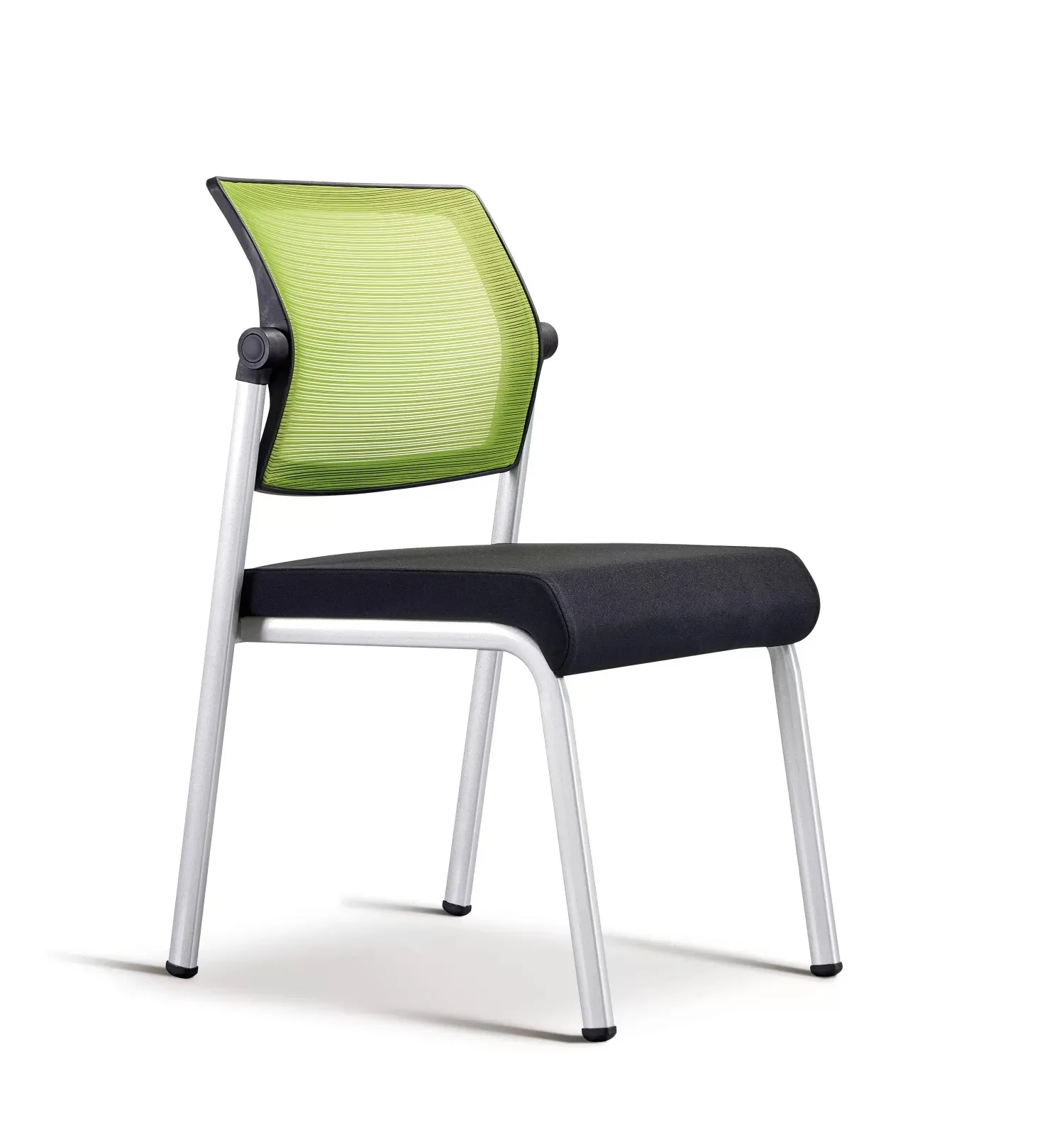
Folding Conference Room Chairs for Space Efficient Meeting Areas
This guide compares folding, stacking, and nesting conference chairs, with space-planning calculations, ergonomic criteria, storage advice, supplier considerations, and layout examples for flexible meeting areas.
Sep. 23 2026
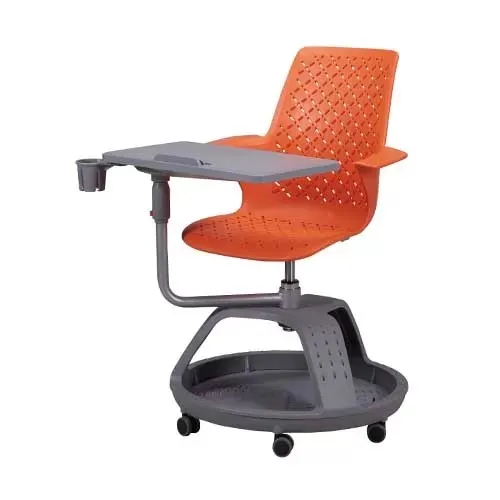
Folding Conference Room Chairs Applications in Training Centers and Event Venues
This guide explains Folding Conference Room Chairs Applications in Training Centers and Event Venues, covering layouts, storage, durability, comfort, transport, and procurement decisions.
Sep. 18 2026
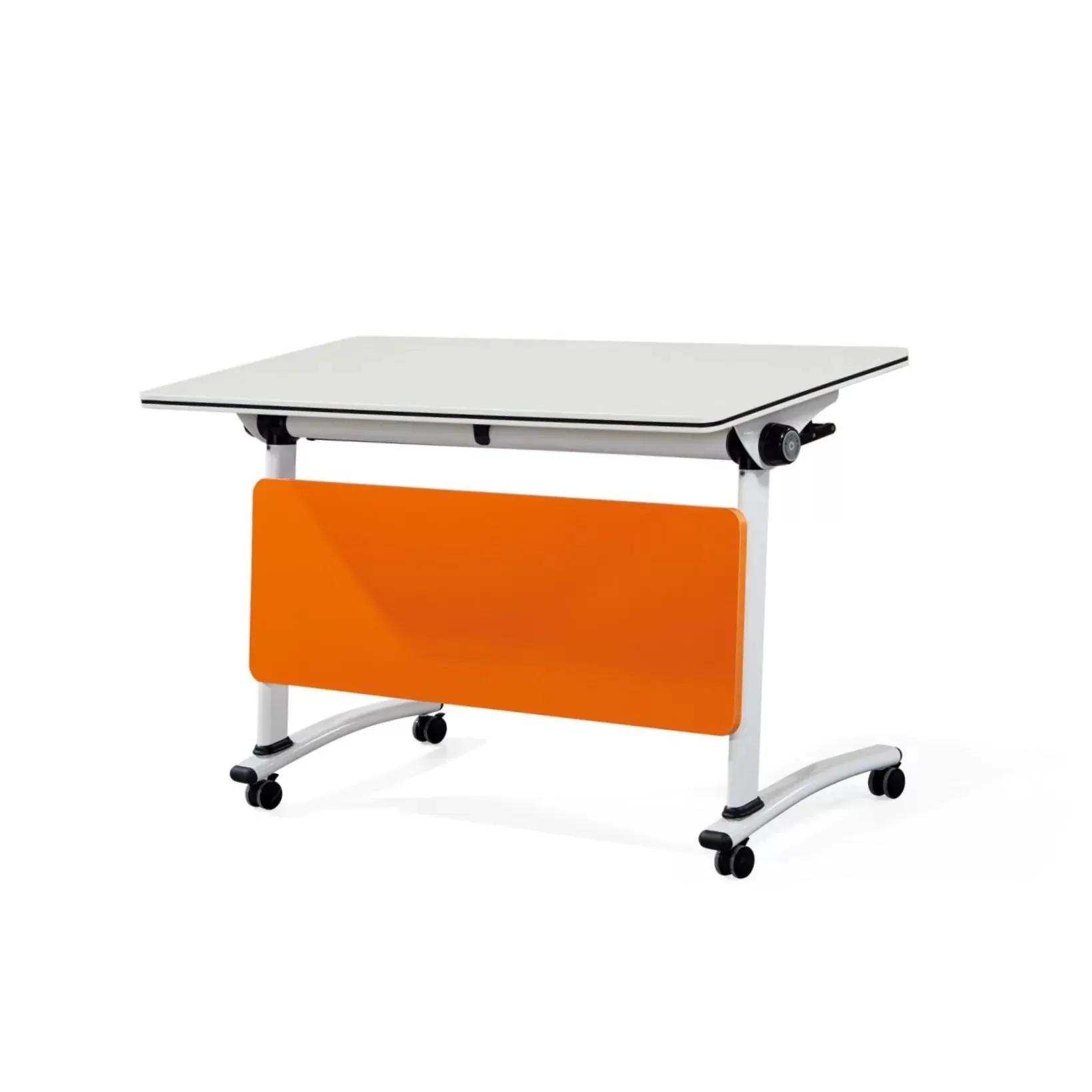
Flip Top Training Tables and Chairs Combination Solutions for Education Spaces
This guide explains how flip top training tables and chairs support flexible education spaces through mobile layouts, compact storage, durable construction, and practical procurement planning.
Sep. 16 2026
Customized Training Chairs for Universities, Companies and Learning Centers
This guide compares customized training chairs for universities, companies and learning centers by ergonomics, mobility, customization, durability, procurement risk and indicative pricing.
Sep. 11 2026
Benefits of Flip Top Training Tables in Training Rooms and Conference Centers
The benefits of flip top training tables include faster room changes, compact storage, mobile layouts, and practical support for frequent commercial use.
BY YOUR SIDE
Our team works with you during every phase of the project.

Tel/Wechat/WhatsApp:
/
Email:
Quick Navigation
Quick Navigation
Stay in Touch
Stay in Touch


