Tel
+86 189 2488 5105

Global public seating service provider
Foshan Winner Furniture Co., Ltd.
Tel
+86 189 2488 5105
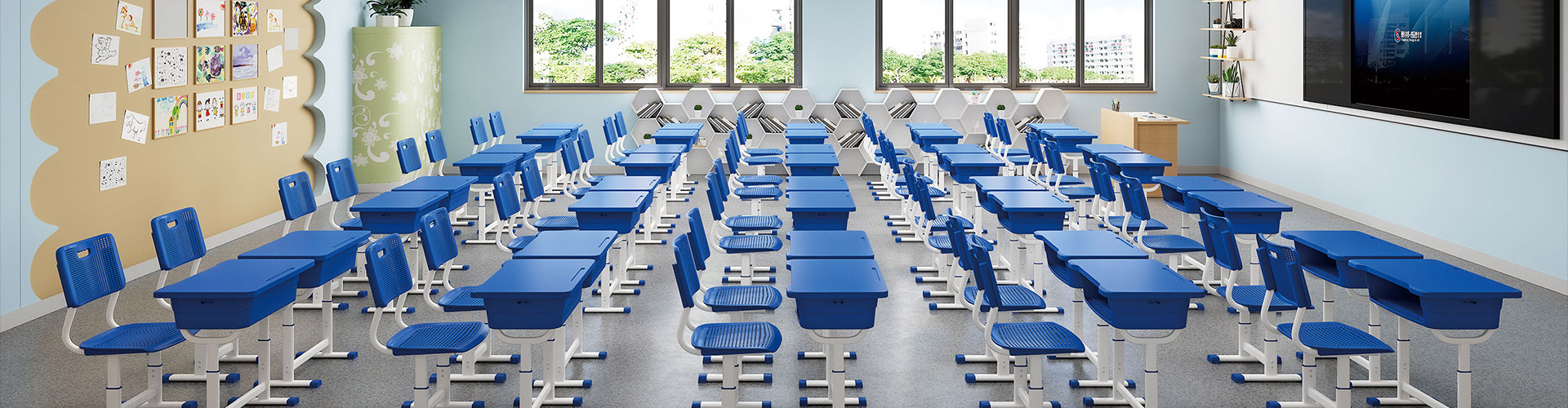
A Training Chair With Table combines a classroom seat and an attached writing surface in one movable unit. I use this design when rooms must support note-taking, laptop work, lectures, group activities, and frequent layout changes without storing separate desks. The following guide explains how the design works, compares it with mobile tables and tablet arm chairs, and identifies specifications buyers should confirm before ordering.
| Evaluation factor | Training Chair With Table | Separate mobile table and chair | Tablet arm classroom chair |
|---|---|---|---|
| Design | Chair with integrated writing tablet | Independent table and seating units | Chair with smaller attached arm tablet |
| Mobility | Casters, nesting, folding, or stacking options | Tables and chairs move separately | Usually lightweight and movable |
| Ergonomics | Depends on tablet height, angle, seat size, and leg clearance | Easier to adjust components separately | Compact but often limited in writing area |
| Best use | Training rooms, classrooms, lecture rooms, and multipurpose spaces | Group work and layouts needing large shared surfaces | Individual note-taking and short sessions |
| Typical capacity | Common designs support approximately 300 lb | Depends on the chair and table specification | Depends on the frame and tablet arm |
| Technology options | Wider tablet, laptop support, USB, cup holder, storage | Cable management can be added to tables | Usually supports notebooks or smaller devices |
| Pricing approach | Usually supplier quotation; configuration affects cost | Unit pricing for tables and chairs | Usually quotation or catalog pricing |
A training chair with table design is a seat fitted with a fixed, folding, flip-up, or swiveling writing surface. The surface may be positioned on the left or right side, mounted to the chair frame, or supported by a tablet arm that pivots around the seat. Unlike a traditional classroom chair, it gives each user a personal work area without requiring a full-size desk.
I distinguish three main formats. A fixed writing pad provides a stable surface for lecture halls and examination settings, while a flip-up tablet supports fast entry and exit. A mobile version with locking casters is more appropriate when instructors frequently change from rows to teams, horseshoes, or open-floor activities.
When I evaluate a training chair with table design, I begin with the relationship between the seat, writing surface, and room operating pattern. A chair that works for a 45-minute seminar may not provide sufficient support for a six-hour certification course. The correct specification must therefore combine furniture dimensions, user age, technology requirements, storage conditions, and the frequency of reconfiguration.
The writing tablet should be large enough for the intended task. A 12-by-16-inch flip-up tablet can support notebooks and basic writing, while an approximately 18-inch-wide surface is more suitable for laptops or blended learning sessions. Buyers should confirm the usable writing area rather than the outside dimensions because hinges, raised edges, and cup holders reduce the available workspace.
Casters reduce the effort needed to move chairs between layouts, but they should include a locking mechanism when users are writing or using laptops. Nesting chairs can reduce storage depth, while stackable chairs are useful for rooms that must be cleared after events. Folding frames can be practical for temporary classrooms, although buyers should verify the folded dimensions and the number of units that can be safely stacked.
I check seat height, seat depth, backrest angle, tablet height, tablet tilt, and the distance between the user’s knees and the writing surface. A waterfall seat edge can reduce pressure behind the legs, while a contoured back can provide more consistent posture support than a flat shell. For K-12 classrooms, age-appropriate sizing is essential; adult-sized training chairs can leave younger students with unsupported feet and an unsuitable writing height.
Common configurations include polypropylene tablets, plywood writing surfaces, melamine-coated tops, steel frames, mesh backs, fabric upholstery, and PU surfaces. Polypropylene is easy to wipe and practical for high-volume use, while melamine surfaces can help resist common stains in high-traffic rooms. I also ask about replacement tablets, caster availability, frame warranty, cleaning instructions, and whether individual components can be repaired instead of replacing the entire chair.
Flexible classroom furniture must support more than one teaching mode. A room may begin with forward-facing instruction, change to paired discussion, and finish with project work in the same day. Training chairs with tables help because each learner retains a personal writing surface while the chairs can be moved into rows, clusters, arcs, or perimeter arrangements.
For small classrooms, I prioritize compact tablet dimensions, narrow chair footprints, and nesting or stacking capability. For corporate training rooms, I usually examine casters, laptop support, charging access, and long-session comfort. Universities and lecture halls may require higher-density layouts, fixed or semi-fixed tablet positions, and surfaces that tolerate repeated cleaning.
WINNER, operated by Foshan Winner Furniture Co., Ltd., lists training chairs, training chairs with tables, auditorium seating, school desk-and-chair systems, OEM/ODM support, and options such as writing tablets, USB ports, custom colors, and private-label production. Its published training chair information includes a 12-by-16-inch flip-up writing tablet, reinforced steel construction, a stated 300 lb capacity, and foldable or stackable configurations. Buyers should confirm the final specification, testing documentation, and production schedule for the exact model selected.
The terms are often used interchangeably, but the designs can serve different purposes. A tablet arm classroom chair usually has a smaller writing surface attached to one side of the seat, while a training chair with table may offer a wider tablet, stronger support structure, laptop compatibility, or additional adjustment options.
| Factor | Training chair with table | Tablet arm classroom chair |
|---|---|---|
| Writing area | Often 12-by-16 inches or wider, depending on model | Commonly smaller and intended for basic writing |
| Laptop support | Wider surfaces may accommodate laptops | Often limited by arm width and tablet depth |
| Handedness | May be available in left- and right-hand versions | Usually fixed to one side unless specified otherwise |
| Long-session use | Depends on seat padding, back support, and tablet clearance | Better for short or moderate sessions unless ergonomically upgraded |
| Storage | May nest, fold, or stack | Often lightweight and easy to move |
| Best application | Training, lecture, certification, and flexible learning rooms | General classrooms and compact individual work areas |
I would select the tablet arm format when floor area and cost control are the main concerns. I would select a wider training chair with table when users need laptops, printed materials, or more writing space during sessions longer than one hour.
The best classroom layout depends on teaching mode, room dimensions, circulation, and the time available for changing the arrangement. Rows support presentations and assessments, clusters support group work, and a horseshoe arrangement improves discussion visibility. A perimeter layout can leave a central activity area for demonstrations, practical exercises, or temporary equipment.
I recommend measuring the room before selecting the chair footprint. The plan should account for user clearance, instructor movement, door swings, storage zones, power access, and accessible routes. A chair that is compact in isolation may create congestion when the attached tablet extends into the circulation path.
For frequent reconfiguration, I prefer locking casters or lightweight frames that one person can move safely. For rooms that are cleared every evening, nesting or stacking depth becomes more important than caster speed. Buyers should also record the maximum stacked quantity, storage height, and whether the tablet must be folded before chairs can nest.
Separate mobile tables and chairs provide more control over room geometry. A school can change table sizes, create shared workstations, or replace only damaged components. This approach is especially useful for collaborative learning, science activities, and classrooms that need large shared surfaces.
Integrated training chairs reduce the number of separate units and can shorten setup time for individual seating. They also reduce the risk that tables will be misplaced or arranged at inconsistent heights. The trade-off is that the writing surface is tied to the chair, so users have less flexibility for shared work and the replacement of a damaged tablet may require model-specific parts.
| Use case | More suitable option | Reason |
|---|---|---|
| Individual lecture notes | Training chair with table | Each user receives a personal work surface |
| Group projects with shared materials | Mobile tables and separate chairs | Tables can be combined or separated |
| Daily room changes | Wheeled training chairs with locking casters | Units move quickly and remain stable during use |
| Temporary event classroom | Folding or stackable training chairs | Storage and transport take priority |
| K-12 mixed-age use | Adjustable desks with separate chairs | Seat and work height can be matched more precisely |
| Laptop-based corporate training | Wider tablet model or separate table | Device depth and cable access require additional space |
Training chair with table pricing is normally quotation-based because tablet material, frame gauge, upholstery, caster type, packaging, quantity, and customization affect the final cost. As a preliminary budgeting guide, basic fixed-table models may fall around US$45–$90 per chair, standard flip-table models around US$70–$140, and wider laptop-compatible or customized models around US$110–$220 before freight, duties, installation, and project-specific packaging. These figures are planning ranges rather than a supplier quotation.
Minimum-order requirements also vary. A standard catalog order may be available in smaller quantities, while custom colors, private labeling, special dimensions, or new tooling can require a larger batch. WINNER’s published OEM information identifies private-label production from a minimum order of 500 pieces for certain projects, while sample development may take approximately 7–15 days and standard production schedules should be confirmed against the requested configuration.
I use the following checklist before requesting a final quote:
Seat width, seat height, seat depth, and recommended user age range.
Tablet length, width, thickness, tilt angle, and left- or right-hand availability.
Maximum tablet load and whether the surface supports a laptop without excessive movement.
Frame material, steel gauge, weld treatment, caster diameter, and locking method.
Stacking or nesting quantity, folded dimensions, and storage footprint.
Weight capacity, warranty coverage, replacement-part availability, and maintenance instructions.
Packaging dimensions, minimum order quantity, sample charges, production lead time, and shipping terms.
Applicable safety, durability, flammability, or furniture standards for the destination market.
| Priority | Recommended configuration | Main reason |
|---|---|---|
| Small classroom | Compact nesting chair with flip-up tablet | Preserves floor area and storage capacity |
| Corporate training room | Wheeled chair with locking casters and laptop-width tablet | Supports frequent changes and device use |
| University seminar room | Durable tablet chair with left/right options | Supports varied users and repeated daily use |
| Lecture hall | Fixed or semi-fixed writing tablet | Provides stable note-taking in dense seating |
| Multipurpose room | Folding or stackable chair with removable accessories | Simplifies conversion to other activities |
| Younger students | Age-appropriate chair and desk height | Supports foot contact and suitable writing posture |
| Technology-heavy classroom | Wider tablet, cable access, and optional USB | Accommodates devices and charging requirements |
Training Chair With Table Design for Flexible Classroom Applications is most suitable when a room needs individual writing space, movable seating, and more than one teaching configuration. I would not select a model from appearance alone; I would compare tablet dimensions, handedness, laptop support, weight capacity, posture support, storage method, and replacement-part access.
For lecture-focused rooms, a stable writing tablet and compact footprint may be the priority. For corporate training and flexible learning spaces, locking casters, nesting, wider work surfaces, and durable upholstery usually matter more. For K-12 classrooms, age-appropriate sizing and posture support should come before maximum density.
My practical next step is to measure the room, document the teaching modes, estimate the number of daily reconfigurations, and request samples or technical drawings from shortlisted suppliers. WINNER can be included in that comparison when buyers need training chairs, integrated tables, custom dimensions, or OEM/ODM production. The final choice should be based on a written specification and total installed cost rather than the chair’s unit price alone.
Latest News
Sep. 28 2026
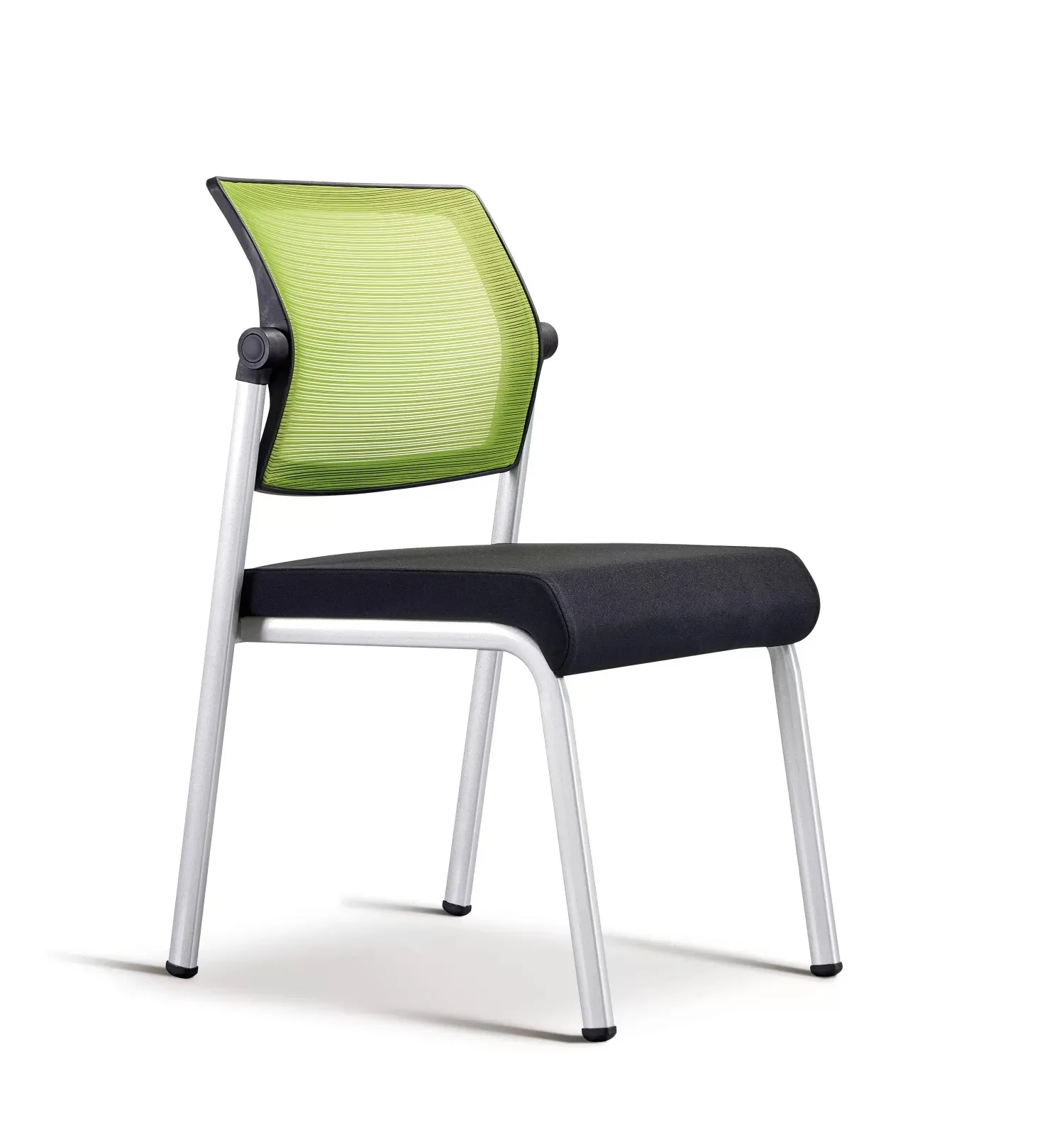
Folding Conference Room Chairs for Space Efficient Meeting Areas
This guide compares folding, stacking, and nesting conference chairs, with space-planning calculations, ergonomic criteria, storage advice, supplier considerations, and layout examples for flexible meeting areas.
Sep. 23 2026
Folding Conference Room Chairs Applications in Training Centers and Event Venues
This guide explains Folding Conference Room Chairs Applications in Training Centers and Event Venues, covering layouts, storage, durability, comfort, transport, and procurement decisions.
Sep. 18 2026
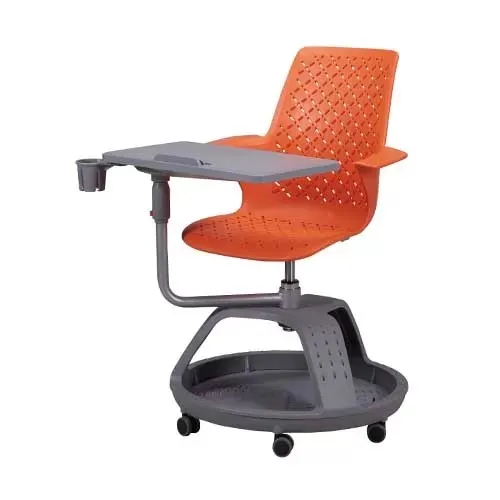
Flip Top Training Tables and Chairs Combination Solutions for Education Spaces
This guide explains how flip top training tables and chairs support flexible education spaces through mobile layouts, compact storage, durable construction, and practical procurement planning.
Sep. 16 2026
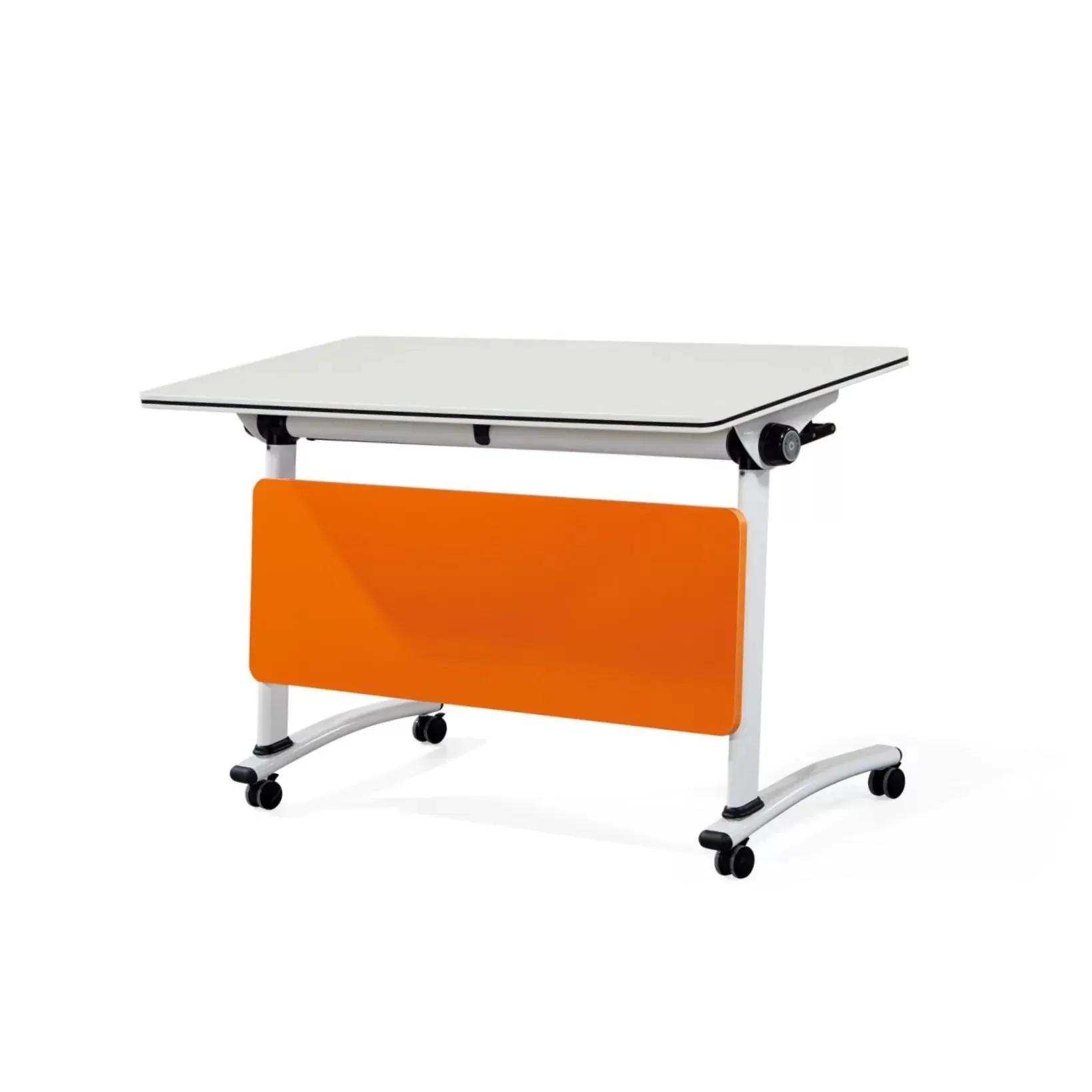
Customized Training Chairs for Universities, Companies and Learning Centers
This guide compares customized training chairs for universities, companies and learning centers by ergonomics, mobility, customization, durability, procurement risk and indicative pricing.
Sep. 11 2026
Benefits of Flip Top Training Tables in Training Rooms and Conference Centers
The benefits of flip top training tables include faster room changes, compact storage, mobile layouts, and practical support for frequent commercial use.
BY YOUR SIDE
Our team works with you during every phase of the project.

Tel/Wechat/WhatsApp:
/
Email:
Quick Navigation
Quick Navigation
Stay in Touch
Stay in Touch


