Tel
+86 189 2488 5105

Global public seating service provider
Foshan Winner Furniture Co., Ltd.
Tel
+86 189 2488 5105
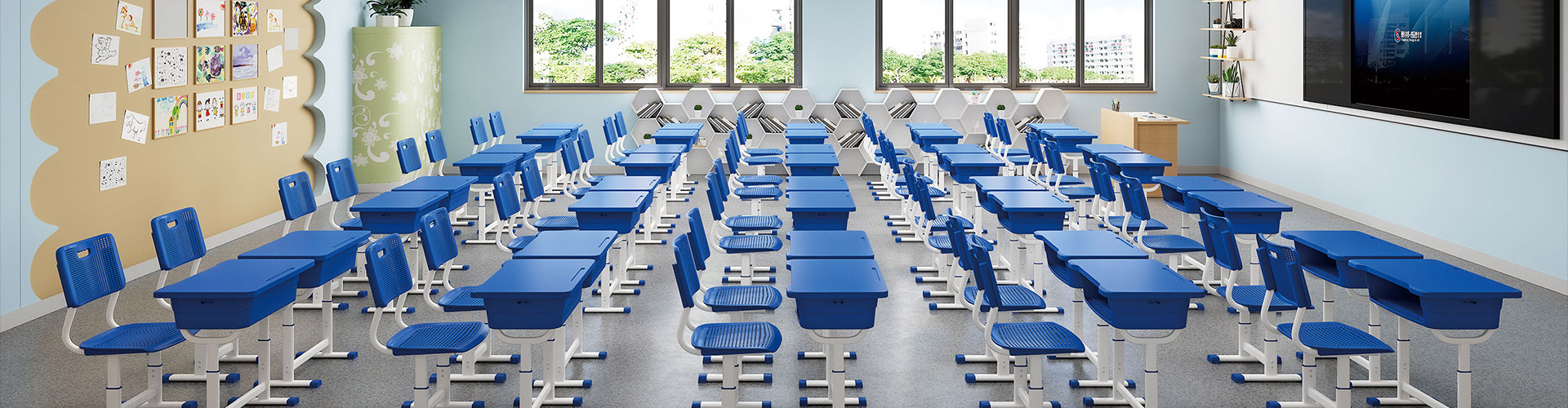
China's Leading School Furniture Manufacturer is helping schools rethink how classrooms work. The right desk, chair, and storage system can improve comfort, focus, and classroom flow. Modern schools now need student desks, ergonomic classroom chairs, and flexible learning furniture that support many teaching styles. Old furniture often fails to match new lesson plans, digital tools, and shared learning spaces.
When schools upgrade their furniture, they are not just changing the room. They are improving how students sit, move, study, and interact. This matters in primary schools, middle schools, high schools, and training centers. It also matters for school furniture suppliers, furniture for education projects, and custom classroom furniture buyers who want better results from every square meter.
School furniture design has changed from heavy, fixed, one-size-fits-all products to flexible, ergonomic, durable, and space-saving solutions that support modern education spaces. The main goal is to improve learning comfort, classroom efficiency, and student health while meeting the needs of digital learning and collaborative teaching.
In the past, most classrooms used basic wooden desks and chairs arranged in straight rows. This layout worked for lectures, but it limited teamwork and movement. Today, modern education spaces use movable desks, stackable chairs, and modular classroom furniture. These products help teachers switch between group work, tests, presentations, and independent study.
Older furniture often focused on making products that were easy to produce. Modern school furniture design focuses on students first. That means seat height, desk depth, and back support now matter more. Ergonomic student chairs and height-adjustable desks help reduce discomfort during long school days.
Schools now ask furniture to do more. A desk may need cable management, laptop support, and storage. A chair may need to be light enough to move but strong enough for daily use. This is why classroom furniture manufacturers now design for multi-use spaces, blended learning, and group learning furniture needs.
Students spend many hours sitting each day. If the chair is too high or the desk is too low, they may feel tired or distracted. Ergonomic school furniture supports better posture and can help students stay focused longer. This is one reason many schools now search for ergonomic classroom furniture and comfortable school desks.
Teachers no longer rely only on front-of-class lectures. Many classrooms now include group work, project learning, and digital lessons. Flexible classroom seating supports these changes. It allows teachers to rearrange the room in minutes instead of hours.
Many schools face limited space. In these cases, compact school furniture, stackable chairs, and modular storage help save room. Schools can fit more functions into the same area, such as reading corners, computer zones, and group discussion areas.
School furniture must handle daily use by many students. It should resist scratches, wobbling, and heavy pressure. High-quality school desks and chairs also need smooth edges, stable frames, and easy-clean surfaces. These features help schools lower repair and replacement costs.
Ergonomic design helps the body sit in a natural position. For schools, this often means matching desk and chair height to age groups. Many schools now request adjustable school furniture to fit different student sizes.
Modern school furniture must last for years. Materials such as steel frames, molded plastic, and high-pressure laminate are common because they handle daily use well. Many education furniture projects also require anti-rust coatings and impact-resistant surfaces.
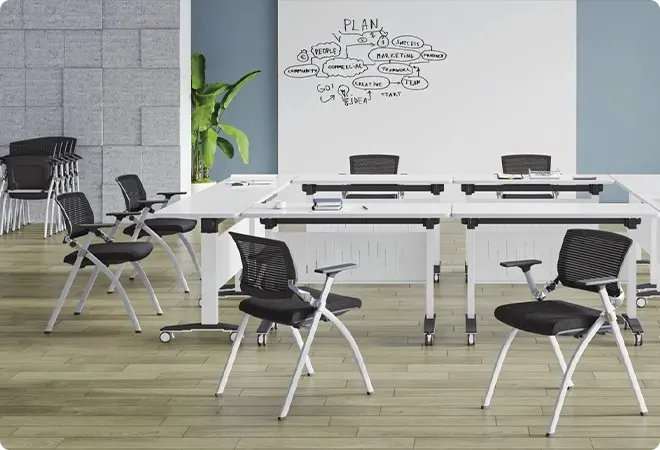
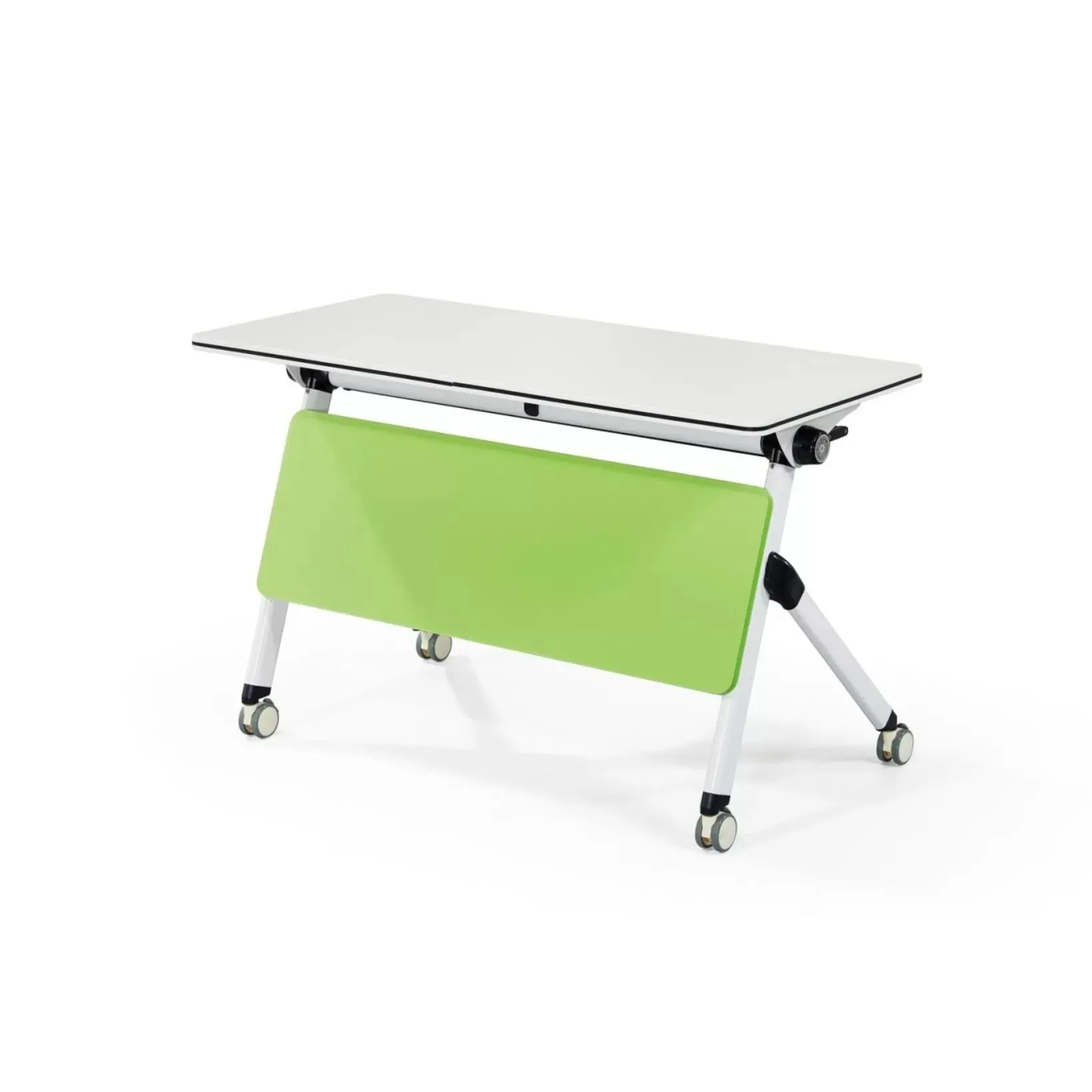
Flexible classroom furniture makes it easy to change the room layout. Mobile desks, foldable training tables, and lightweight chairs are now common in modern education spaces. These products support fast classroom changes and better room planning.
Digital learning has changed furniture needs. Schools now want desks with device space, charging support, and cable control. Computer lab furniture, IT classroom desks, and media room furniture must support laptops, tablets, and other tools.
Storage is important in every school. Cabinets, bookcases, cubbies, and teacher storage units help keep classrooms clean and organized. Good storage furniture also improves safety by reducing clutter on the floor.
| Feature | Traditional School Furniture | Modern School Furniture |
|---|---|---|
| Layout | Fixed rows | Flexible and movable |
| Student comfort | Basic seating | Ergonomic support |
| Learning style support | Lecture focused | Group work, digital learning, and mixed teaching |
| Material quality | Simple wood or metal | Steel, laminate, molded plastic, and hybrid materials |
| Space use | Low efficiency | Space-saving and modular |
| Maintenance | Higher repair needs | Easy-clean and long-lasting |
Student desks are the center of any classroom. Schools often choose single desks, double desks, or adjustable desks based on age group and teaching style. Popular options include primary school desks, secondary school desks, and exam desks.
Chairs must support good posture and daily movement. Lightweight classroom chairs are popular because students and teachers can move them quickly. Some schools choose stackable chairs to save space after class.
Teachers need organized work areas too. Teacher desks, filing cabinets, and staff office furniture help manage books, papers, and devices. In modern schools, teacher stations are often placed for easy access and classroom supervision.
Science rooms need special furniture for safety and practical work. Lab tables, sinks, and chemical-resistant surfaces are common. These products must handle water, tools, and repeated use.
Library furniture includes reading tables, bookshelves, study carrels, and soft seating. The goal is to create a quiet and useful study environment. Many schools now design library spaces that support reading, research, and group study.
Colleges, training centers, and large schools often need training tables, lecture chairs, and auditorium seating. These products are designed for comfort, fast arrangement, and long sessions.
Step 1: Define the school type and student age group
Step 2: Measure the room size and layout
Step 3: List learning needs such as group work, digital learning, or exams
Step 4: Select furniture materials and safety features
Step 5: Check ergonomic size and height options
Step 6: Review durability, maintenance, and budget
Step 7: Confirm samples, production details, and delivery plan
Step 8: Install and test the furniture in the real classroom
A trusted manufacturer should be able to handle large orders on time. This is important for new school builds, renovation projects, and government education purchases. WINNER is one example of a brand that focuses on large-scale education furniture supply.
Every school is different. Some schools need small classroom furniture for younger students. Others need custom lab furniture, dormitory furniture, or conference furniture. A good supplier should offer design support based on room size, age group, and teaching style.
Quality control helps ensure each product meets the same standard. Schools should check weld strength, edge safety, material thickness, and finish quality. These details affect both safety and product life.
Manufacturers with education project experience often understand school needs better. They know how to handle bulk school furniture orders, export packaging, and installation support. This saves time and lowers risk for school buyers.
School buyers often search with very specific needs. These long-tail keywords can help them find the right solution:
ergonomic school furniture for modern classrooms
custom classroom furniture for primary schools
durable student desks and chairs for schools
flexible learning furniture for collaborative classrooms
wholesale school furniture manufacturer in China
space-saving furniture for education spaces
These searches show clear intent. Buyers want products that match age, budget, room size, and teaching style. They also want a reliable school furniture factory that can deliver consistent quality.
This article includes related terms that help search engines understand the topic better. Common Latent Semantic Indexing keywords include:
classroom seating
student desks
ergonomic chairs
learning environment
education furniture
modular furniture
flexible seating
school interior design
| Checklist Item | Why It Matters | What to Check |
|---|---|---|
| Age fit | Supports posture and comfort | Desk and chair height |
| Material quality | Improves lifespan | Steel frame, laminate, plastic quality |
| Safety | Reduces injury risk | Smooth edges, stable legs, strong joints |
| Flexibility | Supports different lessons | Movable or stackable design |
| Maintenance | Saves labor and cost | Easy-clean surfaces |
| Delivery support | Helps large projects run on time | Packing, shipping, and installation service |
The evolution of school furniture design in modern education spaces shows a clear shift from fixed, simple products to smart, flexible, and student-focused solutions. Today, schools need furniture that supports comfort, learning, safety, and efficient space use. For buyers who want reliable education furniture, choosing the right China-based supplier can make a major difference. As classrooms continue to change, the demand for high-quality school furniture will keep growing, and the core keyword will remain important for every modern learning environment.
Modern school furniture is designed for comfort, flexibility, and long-term use. It often includes ergonomic chairs, movable desks, modular storage, and furniture that supports digital learning.
Ergonomic school furniture helps students sit in a better position. This can reduce discomfort, improve focus, and support healthier study habits.
Common materials include steel, molded plastic, and high-pressure laminate. These materials are strong, easy to clean, and suitable for daily school use.
Schools should check production ability, quality control, customization options, project experience, and delivery support. A good supplier should understand classroom needs and offer reliable service.
Yes. Better furniture can improve comfort, reduce clutter, support teamwork, and make classrooms more useful. A better learning environment can help teachers teach more effectively.
WINNER represents the type of manufacturer that focuses on large-scale education furniture supply, custom solutions, and modern classroom needs. This makes it useful for schools seeking dependable products and project support.
Latest News
Sep. 28 2026
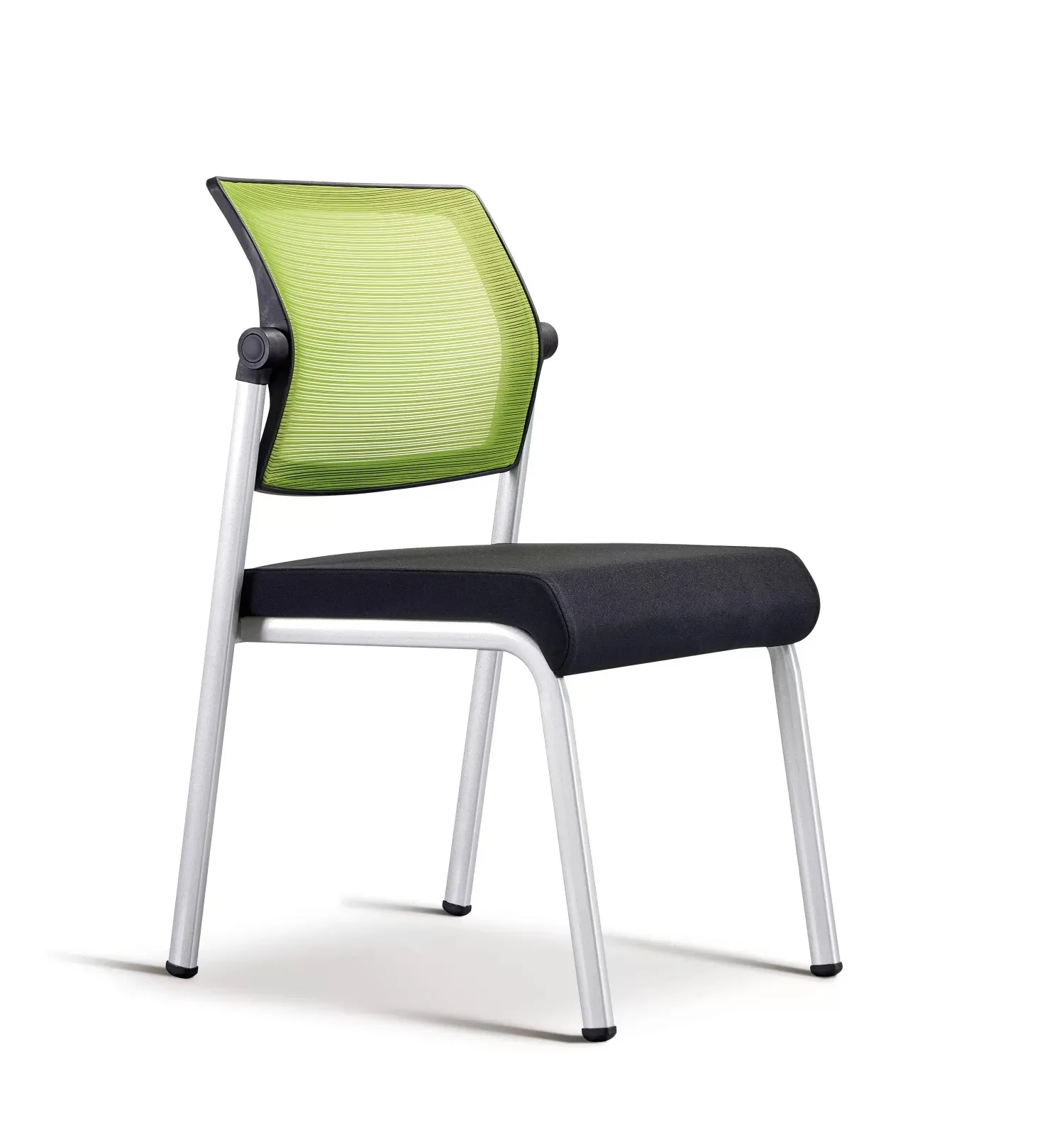
Folding Conference Room Chairs for Space Efficient Meeting Areas
This guide compares folding, stacking, and nesting conference chairs, with space-planning calculations, ergonomic criteria, storage advice, supplier considerations, and layout examples for flexible meeting areas.
Sep. 23 2026
Folding Conference Room Chairs Applications in Training Centers and Event Venues
This guide explains Folding Conference Room Chairs Applications in Training Centers and Event Venues, covering layouts, storage, durability, comfort, transport, and procurement decisions.
Sep. 18 2026
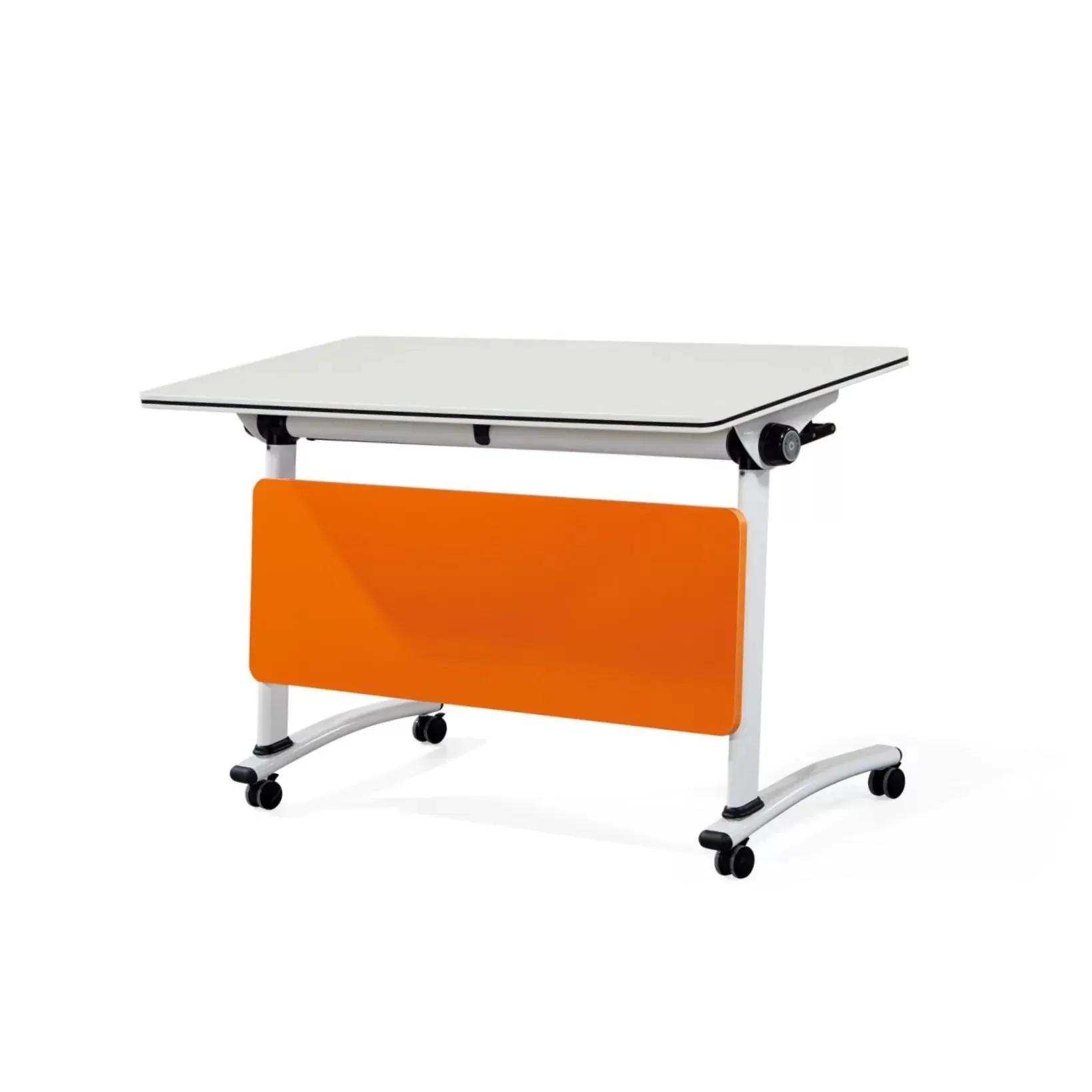
Flip Top Training Tables and Chairs Combination Solutions for Education Spaces
This guide explains how flip top training tables and chairs support flexible education spaces through mobile layouts, compact storage, durable construction, and practical procurement planning.
Sep. 16 2026
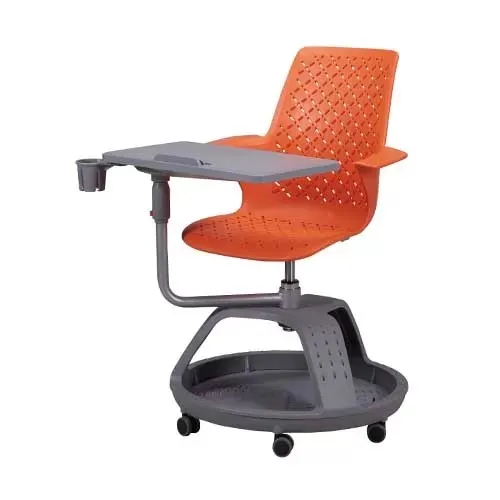
Customized Training Chairs for Universities, Companies and Learning Centers
This guide compares customized training chairs for universities, companies and learning centers by ergonomics, mobility, customization, durability, procurement risk and indicative pricing.
Sep. 11 2026
Benefits of Flip Top Training Tables in Training Rooms and Conference Centers
The benefits of flip top training tables include faster room changes, compact storage, mobile layouts, and practical support for frequent commercial use.
BY YOUR SIDE
Our team works with you during every phase of the project.

Tel/Wechat/WhatsApp:
/
Email:
Quick Navigation
Quick Navigation
Stay in Touch
Stay in Touch


