Tel
+86 189 2488 5105

Global public seating service provider
Foshan Winner Furniture Co., Ltd.
Tel
+86 189 2488 5105
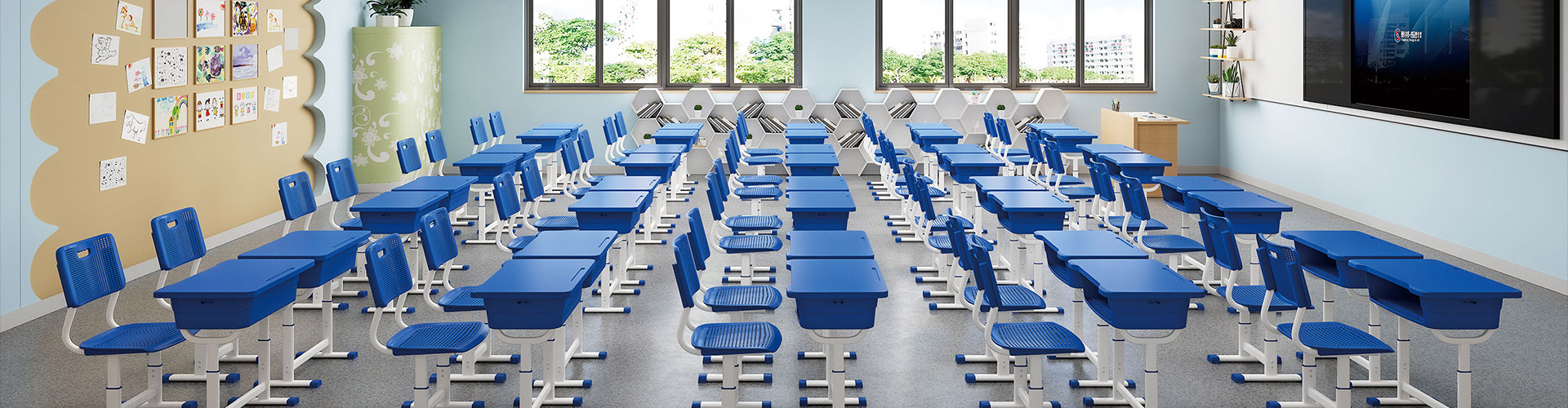
Modern schools face a common problem: too many students, too little room, and a growing need for flexible learning spaces. The best answer is not to build bigger rooms first. It is to choose space-saving classroom furniture, modular school desks, and stackable chairs that use every square foot better. In this guide, WINNER shares practical classroom seating solutions, compact student desks, and smart layout ideas that help schools save space without losing comfort or function.
School buildings are changing. Many classrooms must support group work, individual study, digital learning, and fast room changes during the day. Large fixed furniture makes this difficult. Space-saving classroom furniture helps schools create more open floor area, improve movement, and make cleaning easier.
Many buyers search for furniture because their classrooms feel crowded. Common problems include narrow walkways, heavy desks that cannot move, chairs that take too much storage space, and old layouts that limit teaching styles. When furniture is too large, teachers lose flexibility and students lose comfort.
People looking for this topic usually want practical answers, not theory. They want to know which desk shapes save space, which chairs stack well, how to arrange desks for 30 to 40 students, and which products work best for small classrooms. They also want durable products for wholesale school projects.
In many schools, saving even 10 to 15 percent of usable floor area can make a big difference. That extra space can improve walking paths, create reading corners, and support group teaching. For distributors and overseas buyers, furniture that improves room efficiency often becomes a stronger selling point.
Below are the most effective classroom furniture ideas for modern schools. These options are widely searched because they solve real space and planning problems.
Stackable chairs are one of the easiest ways to save space. Schools can store them quickly after events, exams, or room changes. A good stackable chair should be lightweight, stable, easy to clean, and strong enough for daily use. WINNER offers models designed for bulk school supply projects.
Folding desks are useful for multi-use rooms. They can be folded and moved when the room needs open space for activities, meetings, or testing. This is helpful for schools that use one room for many teaching modes. Choose a desk with a safe locking system and a strong frame.
Nesting tables fit inside each other when not in use. This makes storage easier and reduces clutter. They are ideal for group tasks, training rooms, and modern classrooms that need quick setup changes. Many schools use them because they are practical and simple to manage.
Two-person desks can reduce the number of furniture pieces in a room. This often creates a cleaner look and more efficient seating. Compared with separate single desks, a well-designed double desk may help schools use less aisle space while still keeping student work areas organized.
Storage benches placed along walls can serve two jobs at once: seating and storage. This is a smart solution for classrooms with limited cabinets. Teachers can store books, supplies, and learning tools inside, while students can use the top as a seat or display area.
A teacher desk with wheels can make classroom management easier. It can be moved to different corners depending on lesson type. This improves room flow and keeps the center area open. For schools with limited space, mobility is a major advantage.
Learning islands are grouped furniture units that support teamwork. They can replace many separate desks and help schools create a modern classroom feel. These are often chosen for STEM rooms, library corners, and project-based learning areas.
Schools and distributors often need a fast comparison before buying. The table below shows how common furniture types perform in daily use.
| Furniture type | Space saved | Best use | Main advantage | Main limitation |
|---|---|---|---|---|
| Stackable chairs | High | General classrooms, events | Easy storage | Needs storage area |
| Folding desks | Very high | Multi-use rooms | Room can become open space fast | Higher hardware requirement |
| Nesting tables | High | Training and group learning | Flexible layout | Best for small groups |
| Two-person desks | Medium to high | Standard classrooms | Reduces furniture count | Less individual separation |
| Wall-side storage benches | Medium | Small rooms, reading areas | Seating plus storage | Fixed position |
| Mobile teacher desks | Medium | Flexible teaching spaces | Easy room control | Requires good caster quality |
Good furniture is only part of the solution. The classroom layout decides whether the room feels open or crowded. A smart plan helps teachers move easily and gives students enough personal space.
Measure the length, width, doors, windows, blackboard wall, and storage area first. This step is important because one wrong desk size can block movement. Many schools forget the space needed for chairs to pull out, which creates daily problems.
Keep main aisles wide enough for teachers to move between rows without turning sideways. This also helps during emergencies and cleaning. A simple rule is to avoid placing furniture too close to the door or corners.
Walls are often unused space. Place cabinets, shelves, wall hooks, or storage benches near the edges so the center stays open. This creates a cleaner look and makes the room feel larger.
When desks and storage units match in height, the room looks more organized. It also helps teachers arrange books, boxes, and learning tools neatly. This small detail improves both style and function.
Schools often ask how to choose furniture in the right order. The flow chart below can help buyers and project planners make faster decisions.
| Step 1: Measure classroom size | v Step 2: Count students and teacher needs |
|---|
| v Step 3: Decide room function | ------> Standard teaching | ------> Group learning | ------> Multi-use room |
|---|
| v Step 4: Select space-saving furniture type | ------> Stackable chairs | ------> Folding desks | ------> Nesting tables |
|---|
| v Step 5: Check storage and mobility | v Step 6: Confirm material strength and safety |
|---|
v Step 7: Place bulk order and test sample
Not all compact furniture is equal. Some products save space but fail in daily use. Buyers should focus on practical features that support long-term school use.
Steel frames are often preferred for school projects because they are strong and stable. They can support daily movement, heavy use, and long service life. This matters for wholesale buyers who want fewer replacements.
Smooth tabletops and simple chair surfaces are easier to clean. In busy schools, this helps staff save time. It also supports better hygiene, especially in classrooms used by many students every day.
Rounded corners reduce the risk of bumps and scratches. This feature is especially important in primary schools. Safe design should be a basic requirement for every classroom furniture project.
Furniture should be easy to move, but not weak. A good balance between weight and stability helps teachers change the room quickly while keeping the classroom safe and neat.
Different school spaces need different furniture plans. The best solution depends on how the room is used every day.
Primary classrooms need safety, easy cleaning, and simple layouts. Stackable chairs, compact desks, and low storage units are useful here. Furniture should be easy for children to use without extra help.
Secondary students need more workspace for books, laptops, and notes. Two-person desks, mobile teacher desks, and nesting tables work well. These options support both study and discussion.
These spaces need fast change. Folding desks and stackable chairs are the best fit because the room can shift from lecture mode to open activity mode in minutes.
Library zones need calm, open layouts. Small reading benches, compact tables, and mobile shelves can improve circulation and keep the area tidy. The goal is to make the room feel larger and quieter.
This table gives buyers a clear view of what to expect when planning school furniture purchases.
| Feature | Low space use | Lower cost | Higher flexibility | Recommended for |
|---|---|---|---|---|
| Stackable chairs | Yes | Yes | High | Most school projects |
| Folding desks | Yes | Medium | Very high | Multi-use classrooms |
| Nesting tables | Yes | Medium | Very high | Training and group areas |
| Fixed desks | No | Low to medium | Low | Traditional classrooms |
Overseas buyers usually care about cost, loading quantity, durability, and easy installation. They also need furniture that works in different school systems and room sizes. A simple buying guide can reduce risk and save time.
Before ordering in bulk, request full product dimensions, material details, and real photos. This helps buyers avoid size mistakes and check whether the furniture fits local classroom standards.
Space-saving furniture should also save shipping space. Flat packaging, stackable parts, and smart carton design can reduce container waste and lower transport cost. This is important for overseas wholesale supply.
Good suppliers should provide clear assembly instructions, spare parts support, and fast responses. For school projects, service quality can be as important as product design.
WINNER focuses on School Desk And Chair Wholesale solutions for overseas buyers and distributors. The brand understands that modern schools need furniture that is compact, durable, and easy to arrange. WINNER products are designed to help schools use space more effectively while keeping classrooms comfortable and professional.
Whether a project needs stackable chairs, compact student desks, or flexible classroom seating solutions, WINNER can support bulk orders for different market needs. For many buyers, the best furniture is not the largest or most complex one. It is the furniture that helps a classroom do more with less space.
Stackable chairs and compact desks are usually the best starting point. If the room needs to change often, folding desks and nesting tables are also strong choices.
Use lighter colors, wall storage, compact furniture, and open walking paths. Keep the center of the room clear whenever possible.
Yes. Modular furniture gives schools more layout options and can support many teaching styles. It is especially useful in modern schools with changing needs.
Stackable chairs, two-person desks, and mobile teacher desks are often popular in bulk orders because they balance price, function, and space efficiency.
Space-saving classroom furniture is not only about saving room. It is about making learning easier, cleaner, and more flexible. Schools that choose stackable chairs, folding desks, nesting tables, and compact layouts can create better teaching spaces without major building changes.
If your school project or wholesale order needs practical classroom seating solutions, compact student desks, or flexible school furniture design, WINNER can help you build a smarter classroom with less wasted space.
Latest News
Aug. 31 2026
Foldable Training Chair Design for Multi-Purpose Training Rooms
An effective Foldable Training Chair Design for Multi-Purpose Training Rooms combines compact storage, quick room reconfiguration, ergonomic support, durable commercial construction, and optional writing or linking features.

Aug. 26 2026
Training Room Chairs With Wheels: Applications in Movable Classrooms
Training Room Chairs With Wheels are mobile classroom seats designed to shift quickly between lecture rows, group-work pods, testing stations, presentation layouts, and storage positions.

Aug. 24 2026
Student Training Chair Design for Schools and Professional Training Centers
An effective Student Training Chair Design for Schools and Professional Training Centers combines ergonomic fit, structural durability, rapid mobility, and efficient storage.

Aug. 20 2026
Student Training Chair Applications in Universities and Vocational Schools
Student Training Chair Applications in Universities and Vocational Schools cover flexible seating for lectures, laboratories, workshops, computer rooms, nursing simulations, skills demonstrations, group projects, and short-term examinations.

Aug. 19 2026
Different Types of Training Room Chairs for Flexible Learning Spaces
Different Types of Training Room Chairs for Flexible Learning Spaces include stackable, nesting, folding, caster, tablet-arm, swivel, stool, and ergonomic task-style models. Each type supports a different combination of mobility, storage, comfort, technology use, and room layout.

Aug. 17 2026
Advantages of Foldable Training Chairs in Limited Spaces
Foldable training chairs increase usable floor area by allowing rooms to shift between seating, group work, storage, and circulation modes. They can be folded, transported, and stored in compact rows instead of remaining across the floor when a session ends.

BY YOUR SIDE
Our team works with you during every phase of the project.

Tel/Wechat/WhatsApp:
/
Email:
Quick Navigation
Quick Navigation
Stay in Touch
Stay in Touch


