Tel
+86 189 2488 5105

Global public seating service provider
Foshan Winner Furniture Co., Ltd.
Tel
+86 189 2488 5105
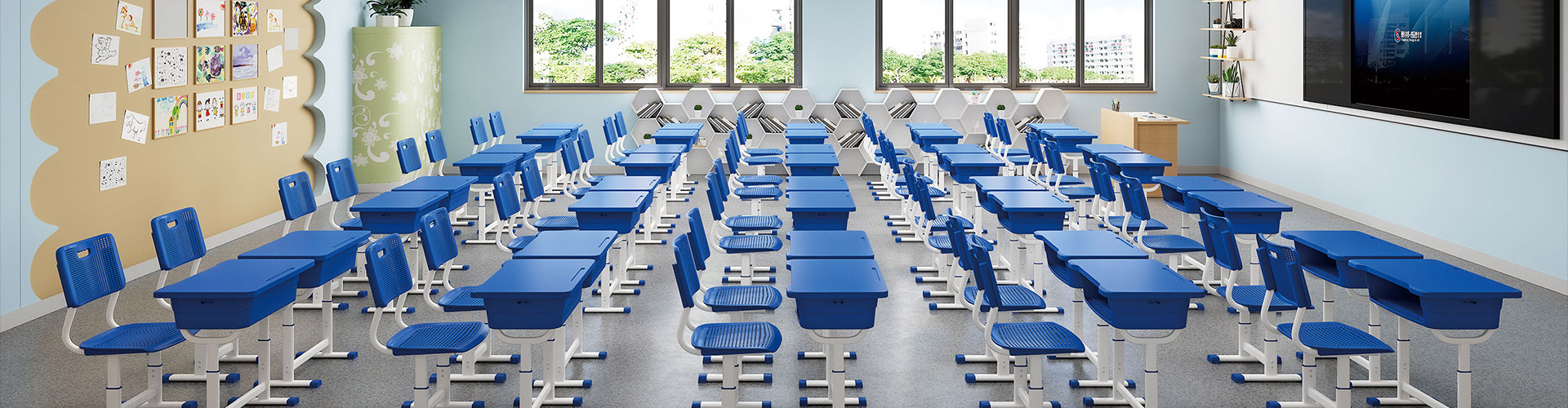
When schools, training centers, and procurement teams compare Single Student Chair and Double Student Chair, they usually want practical answers, not just product descriptions. Search results on Google for this topic typically favor blog posts that compare classroom seating by space efficiency, student comfort, durability, cost, installation, safety, and long-term use value. Buyers also want to know which chair type is better for different classroom layouts, age groups, teaching styles, and budget levels. This article focuses on the real decision-making concerns behind the search intent and provides a clear, in-depth comparison for educational buyers evaluating WINNER classroom furniture solutions.
Before comparing performance, it is important to understand the structural difference between the two products. A Single Student Chair is designed for one student per unit, usually paired with an independent desk or integrated writing surface. A Double Student Chair is built for two students in one connected seating unit, often used in collaborative classrooms, exam halls, or space-sensitive learning environments.
From a purchasing perspective, this difference affects almost every decision point, including room layout, seating capacity, movement flow, cleaning efficiency, and comfort level.
Most users searching this topic are trying to answer one of the following questions:
Which chair type fits my classroom size better?
Which option gives better student comfort during long lessons?
Which one is more durable and easier to maintain?
Which product is more cost-effective for bulk purchasing?
Which seating solution works better for primary schools, middle schools, or training rooms?
These questions show that the search intent is highly practical. Users want buying guidance, not theory.
The table below highlights the most important purchase parameters for classroom application comparison.
| Parameter | Single Student Chair | Double Student Chair |
|---|---|---|
| Seating capacity | 1 student per unit | 2 students per unit |
| Space efficiency | Flexible but requires more individual units | Higher density in fixed classroom layouts |
| Student comfort | Usually better personal space and independence | Comfort depends on width and shared design |
| Classroom movement | Easier to rearrange and reconfigure | Less flexible, harder to move in bulk |
| Cleaning and maintenance | Easier to inspect and replace individually | More efficient in large-area cleaning, but repairs can be more complex |
| Durability demand | High, especially for student-heavy use | Very high due to shared load and frequent use |
| Purchase cost | Higher per seat in many cases | Lower per seat in some bulk projects |
| Best use case | Modern classrooms, flexible learning, exams, individualized teaching | Traditional classrooms, space-saving layouts, budget-conscious projects |
The core parameter comparison shows that there is no universal WINNER. The better choice depends on the school environment, classroom design, and expected teaching model. If the school values flexibility and student independence, a Single Student Chair is often the better choice. If the school prioritizes seating density and cost control, a Double Student Chair may be more efficient.
Space efficiency is one of the most important pain points for school procurement teams. In smaller classrooms, every square meter matters. A Double Student Chair can reduce the number of separate seating units and may make the room look more organized. However, a Single Student Chair allows more flexible spacing, better aisles, and easier adaptation to different class activities.
Single Student Chair advantages:
Better aisle control and easier student entry and exit
More suitable for mixed teaching methods, group rotations, and exam settings
Easier to create distancing when needed
Double Student Chair advantages:
Higher seating density in standard rectangular classrooms
Reduces the number of furniture units to manage
Can be useful in larger classes with limited room
For schools with frequent classroom changes, the Single Student Chair usually offers better layout freedom. For schools with fixed seating and limited space, the Double Student Chair can be more efficient.
If the classroom is small, narrow, or regularly used for multiple purposes, a Single Student Chair may provide a better long-term experience. If the classroom is permanently arranged and the priority is maximizing the number of seats, a Double Student Chair may deliver better space utilization.
Comfort is not just about the seat cushion or back support. For classroom furniture, comfort also includes posture support, legroom, desk compatibility, and reduced fatigue during long lessons. A Single Student Chair generally offers more personal space and reduces interference from neighboring students. This can improve concentration, especially in older grades.
A Double Student Chair may be acceptable for shorter lessons or highly structured classroom environments, but comfort can vary more depending on how well the two-seat design separates personal space.
Purchasing groups often worry about wobbling, frame bending, loose joints, and long-term wear. Stability is especially important in student furniture because it directly affects safety and daily usability.
Single Student Chair:
Usually easier to reinforce per unit
Stable under individual student use
Better for schools that need frequent replacement of individual items
Double Student Chair:
Needs stronger structural support because two users create more shared load
Can be very stable if the frame is properly designed
May be more demanding in terms of welding quality and base strength
From an actual usage perspective, the most important factor is not simply single or double seating, but whether the manufacturer, such as WINNER, has engineered the product for daily classroom stress, repeated movement, and long-term school use.
In real school operations, maintenance burden matters as much as initial price. Single units are easier to isolate when damaged. One broken chair can be replaced without affecting the entire row. Double units may reduce total hardware count, but if one section is damaged, more of the seating block may be affected.
For facility managers, this means Single Student Chair systems are often easier to manage in the long run, while Double Student Chair systems may be easier to organize at the beginning of a project.
Advantages:
Provides independent seating for each student
Improves classroom flexibility and rearrangement options
Supports personalized learning and better spacing
Easier to replace, repair, and maintain individually
Works well in modern teaching environments
Disadvantages:
May require more total floor planning
Can increase unit count and handling workload
May cost more per student in some projects
Advantages:
Maximizes seating capacity in fixed layouts
May lower total procurement complexity for large projects
Suitable for classrooms with standard rows and limited movement
Can reduce the number of furniture items to inspect
Disadvantages:
Less flexible for classroom rearrangement
Shared structure can complicate maintenance
Comfort may be lower if the design does not provide enough personal space
Not ideal for highly interactive or adaptive learning formats
If the school needs better adaptability, cleaner personal space, and easier maintenance, the Single Student Chair is often the stronger option. If the school needs higher density and a more traditional classroom format, the Double Student Chair may be the more economical choice.
For younger students, safety, stability, and ease of use are top priorities. A Single Student Chair often works well because it gives each child a clear seat, reduces crowding, and supports better supervision by teachers.
Best for early grade learning spaces
Better for class management and movement
More suitable for flexible activities and group teaching
Older students spend more time in class and need better posture support and workspace separation. A Single Student Chair is often preferred for academic settings that require writing, note-taking, and exam preparation. A Double Student Chair can still be effective where room size is limited and the school uses a fixed seating arrangement.
Single Student Chair: better for focus, independence, and exam use
Double Student Chair: acceptable for compact classrooms and standard rows
In training environments, rooms often change use frequently. Furniture must support different teaching methods, class sizes, and activity formats. In this case, the Single Student Chair is usually more practical because it allows faster reconfiguration and better control over seat arrangement.
Exam rooms need order, stability, and clear personal boundaries. The Single Student Chair is usually the preferred choice because it naturally supports individual seating. For temporary learning spaces with fixed seating rows, the Double Student Chair may still be used if space is the main constraint.
Purchasing teams are usually under pressure to balance quality, budget, and delivery time. Their pain points are not just about choosing a chair style. They also care about project execution and long-term maintenance.
Will the furniture fit the classroom size?
Will the structure remain stable after years of use?
Can the product be delivered in bulk on schedule?
Will the furniture be easy to repair or replace?
Does the price justify the service life?
Before placing an order, buyers should review the following points:
Measure classroom dimensions accurately
Confirm student age group and average body size
Evaluate the expected frequency of use
Check frame materials, surface finish, and load-bearing design
Request sample testing or reference project cases
Compare warranty, after-sales service, and replacement policy
For educational buyers, a reliable supplier is just as important as the product itself. WINNER focuses on classroom furniture solutions that are designed for school usage, helping buyers reduce procurement risk through consistent quality control, project support, and practical product selection guidance.
Choose a Single Student Chair if you need:
More flexible classroom layouts
Better personal space and comfort
Easier maintenance and replacement
Modern teaching, exam, or training use
Choose a Double Student Chair if you need:
Higher seating density
Lower complexity in fixed-row classrooms
Better space use in compact rooms
Simple, traditional classroom arrangement
There is no absolute winner in the comparison between Single Student Chair and Double Student Chair. The right choice depends on the school’s room size, teaching method, maintenance capacity, and budget. For institutions that value flexibility, comfort, and long-term usability, the Single Student Chair is often the better investment. For projects that prioritize seat count and space efficiency, the Double Student Chair can still be a strong option.
For schools and education buyers looking for dependable classroom seating, WINNER can help match the right product to the right scenario. Whether your project needs a Single Student Chair or a Double Student Chair, the goal should always be the same: improve classroom function, reduce operating stress, and create a better learning environment for every student.
Latest News
Sep. 28 2026
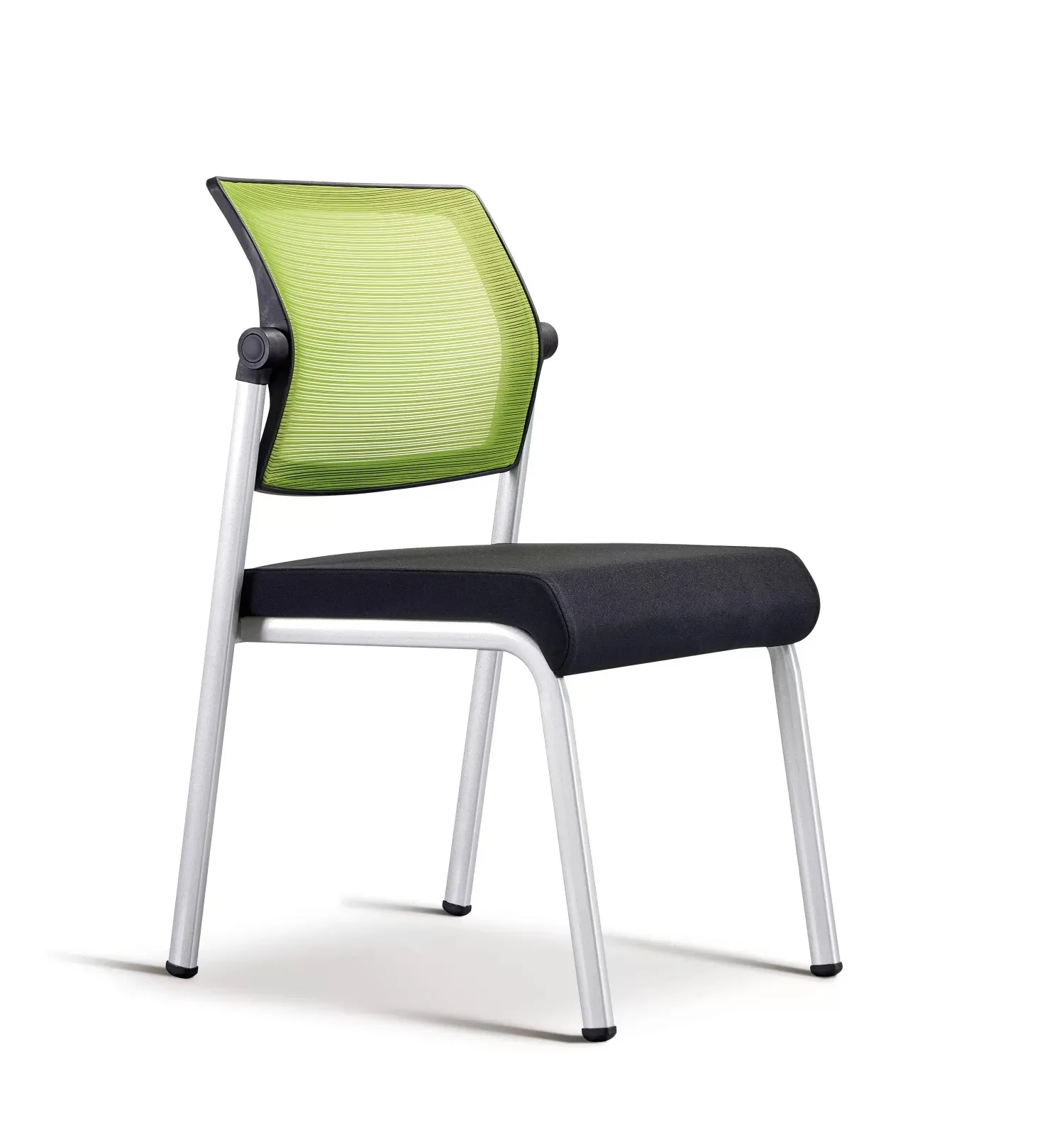
Folding Conference Room Chairs for Space Efficient Meeting Areas
This guide compares folding, stacking, and nesting conference chairs, with space-planning calculations, ergonomic criteria, storage advice, supplier considerations, and layout examples for flexible meeting areas.
Sep. 23 2026
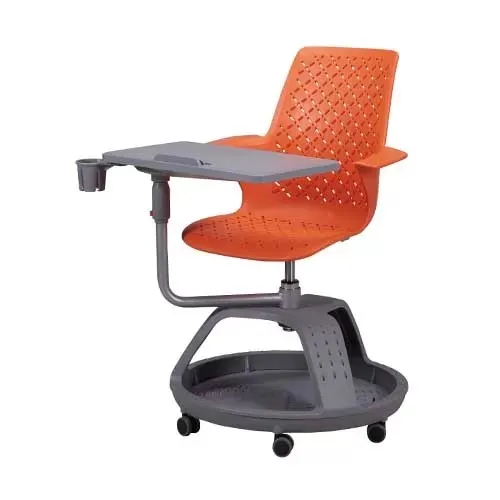
Folding Conference Room Chairs Applications in Training Centers and Event Venues
This guide explains Folding Conference Room Chairs Applications in Training Centers and Event Venues, covering layouts, storage, durability, comfort, transport, and procurement decisions.
Sep. 18 2026
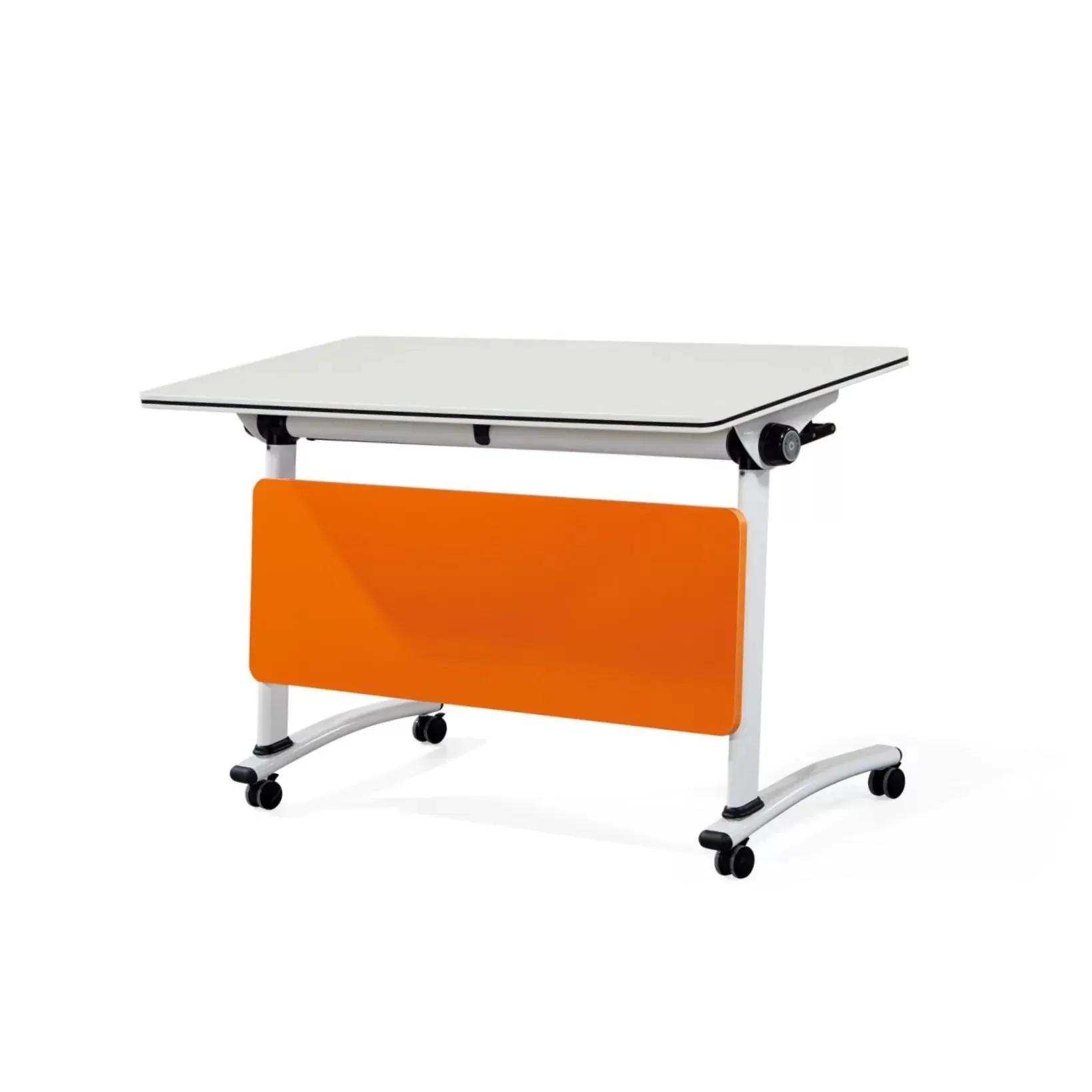
Flip Top Training Tables and Chairs Combination Solutions for Education Spaces
This guide explains how flip top training tables and chairs support flexible education spaces through mobile layouts, compact storage, durable construction, and practical procurement planning.
Sep. 16 2026
Customized Training Chairs for Universities, Companies and Learning Centers
This guide compares customized training chairs for universities, companies and learning centers by ergonomics, mobility, customization, durability, procurement risk and indicative pricing.
Sep. 11 2026
Benefits of Flip Top Training Tables in Training Rooms and Conference Centers
The benefits of flip top training tables include faster room changes, compact storage, mobile layouts, and practical support for frequent commercial use.
BY YOUR SIDE
Our team works with you during every phase of the project.

Tel/Wechat/WhatsApp:
/
Email:
Quick Navigation
Quick Navigation
Stay in Touch
Stay in Touch


