Tel
+86 189 2488 5105

Global public seating service provider
Foshan Winner Furniture Co., Ltd.
Tel
+86 189 2488 5105
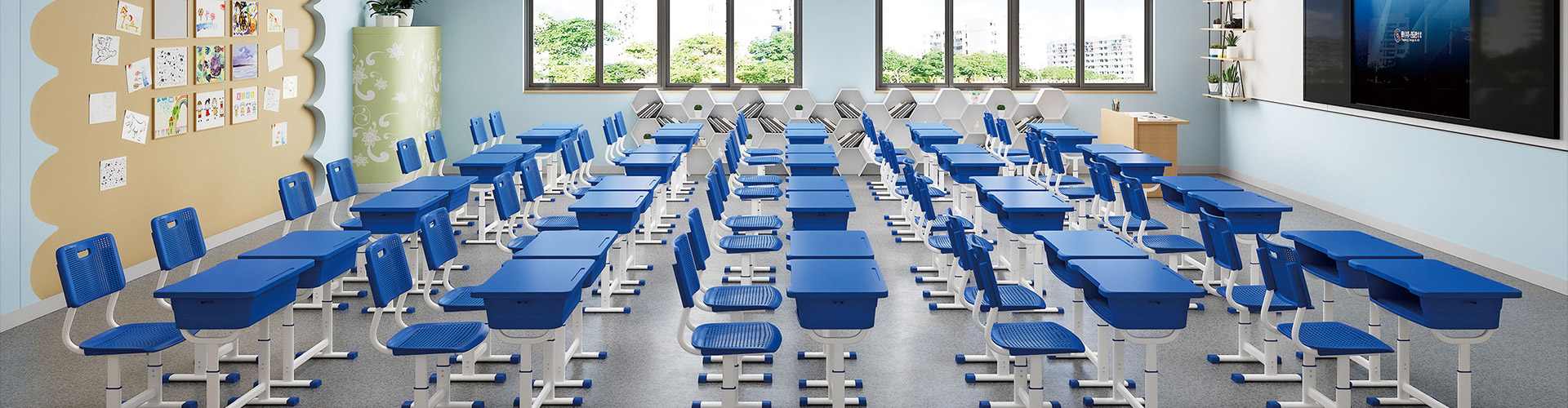
Plastic auditorium chairs combine molded polymer components, metal support structures, folding hardware, and fixed or linked installation systems for organized seating in public venues. In this guide to Plastic Auditorium Chair Design Features and Application Areas, I explain how construction choices affect comfort, durability, hygiene, safety, maintenance, accessibility, and long-term ownership value. I also compare full plastic-shell chairs with upholstered alternatives and outline practical specifications for schools, theaters, universities, conference halls, churches, and multipurpose auditoriums.
A plastic auditorium chair is a fixed, linked, or foldable public-seat system that normally uses an injection-molded plastic seat or back, a steel frame, armrests, and an automatic or manual folding mechanism. The design is intended for repeated use in lecture halls, theaters, conference rooms, religious venues, community centers, and multipurpose auditoriums. Common specifications include seat widths of approximately 45–55 centimeters, load ratings around 150 kilograms for selected models, automatic flip-up seats, row linking, and floor-mount compatibility.
I evaluate these chairs by looking beyond the shell color or initial purchase price. The more important questions concern polymer type, impact resistance, frame protection, folding-cycle performance, fire requirements, cleaning procedures, replacement parts, accessibility, installation conditions, and the total cost over the expected service period.
The seat and back shell should be formed from a polymer suitable for repeated public use. Polypropylene and other injection-molded materials are common because they can be shaped with consistent wall thickness, rounded edges, drainage details, and contoured surfaces. Buyers should request the material specification, impact-resistance information, color-stability data, and any applicable load or cycle-testing records rather than relying on general descriptions.
The frame normally uses powder-coated or galvanized steel. Powder coating provides a finished protective layer for interior environments, while galvanized components may be more appropriate where humidity, coastal air, or frequent cleaning could accelerate corrosion. I also check weld quality, fastener access, frame gauge, floor plates, and whether individual components can be replaced without removing an entire row.
An auditorium seat should support the pelvis and thighs without creating sharp pressure points during long sessions. A waterfall front edge can reduce pressure behind the knees, while a slightly contoured back can support an upright posture. Automatic flip-up mechanisms improve aisle clearance when the chair is unoccupied, but the hinge, torsion spring, damper, and pivot points require inspection because they are among the most frequently moving parts.
The folding mechanism should operate without excessive impact or noise. Rubber buffers, controlled-return hardware, and protected pivot assemblies can reduce noise in theaters and worship spaces. In schools and conference halls, I also recommend confirming whether the mechanism is designed for row-linked operation and whether the manufacturer supplies replacement springs, dampers, hinges, and fasteners.
Armrests may be molded plastic, wood, metal, or a combination of materials. Plastic armrests are easy to clean and can match the shell, while wood or upholstered armrests may provide a different visual and tactile finish. For lecture halls and training venues, buyers can specify folding writing tablets, left- or right-hand configurations, cup holders, under-seat storage, power modules, and tablet supports.
Color selection can support venue identification, zoning, or institutional branding. WINNER describes options that include multiple shell colors, custom dimensions, logo services, writing tablets, cup holders, row-number plates, and private-label production for qualifying projects. I recommend requesting a physical color sample because molded plastics can appear different under auditorium lighting than they do on a digital screen.
Plastic auditorium chairs are often selected for venues where seating is used by different groups throughout the week. A molded shell has fewer fabric seams than a fully upholstered chair, so dust, spills, and surface contamination are generally easier to remove. Smooth, non-porous surfaces also simplify routine cleaning, although the cleaning agent must be compatible with the specific plastic and coating system.
Comfort depends on more than whether a chair is plastic. Seat width, seat depth, back curvature, front-edge geometry, armrest height, seat angle, and the amount of clearance between rows all influence the user experience. For sessions lasting several hours, I compare the chair dimensions with the venue’s audience profile and consider whether a thin cushion, upholstered pad, or contoured shell is needed.
Durability should be assessed through measurable specifications. I ask for the rated user load, impact testing, folding-cycle testing, corrosion resistance, fire certification, warranty duration, and availability of spare parts. For high-traffic sites, a chair with replaceable hinges, brackets, armrests, and seat components may deliver better long-term value than a lower-priced model that requires complete-row replacement after localized damage.
Full plastic-shell chairs and upholstered chairs with plastic outer backs serve different venue requirements. Full plastic models usually provide simpler cleaning, lower textile replacement costs, lighter maintenance, and a more consistent appearance in schools, community halls, and high-turnover conference spaces. Upholstered models can provide softer contact surfaces, improved acoustic absorption, and a more formal appearance for theaters, concert halls, and premium conference venues.
| Factor | Full plastic-shell chair | Upholstered chair with plastic outer back |
|---|---|---|
| Cleaning | Wipe-clean shell with fewer fabric areas | Requires fabric, foam, and shell cleaning procedures |
| Comfort | Depends on shell contour and optional padding | Usually softer for extended programs |
| Acoustics | Limited absorption from the shell | More potential for sound absorption |
| Repair | Plastic and hardware parts may be replaceable | Fabric, foam, and hardware may require separate repairs |
| Best fit | Schools, halls, churches, high-use venues | Theaters, concert halls, formal cultural venues |
| Ownership cost | Often lower routine maintenance | Potentially higher cleaning and upholstery costs |
Plastic auditorium chairs for schools and universities are suitable for lecture halls, examination rooms, assembly spaces, and multipurpose classrooms. Their cleanable surfaces help address frequent use, while writing tablets and cup holders can support teaching, examinations, seminars, and training sessions. For universities, I pay particular attention to seat width, aisle access, power or data requirements, and whether the row layout can accommodate both fixed seating and accessible positions.
Plastic auditorium chairs for theaters can work well in smaller performance spaces, community theaters, lecture theaters, and venues that prioritize maintenance efficiency. For larger cultural venues, upholstered seating may provide better acoustic performance and a more traditional appearance. If plastic chairs are selected, I recommend quiet flip-up hardware, controlled movement, concealed fasteners, and colors that limit visible scuffing under stage and house lighting.
Conference halls require seating that supports long sessions, clear sightlines, and frequent room reconfiguration. Plastic shells with folding tablets, row linking, and optional power accessories can support presentations, certification courses, government meetings, and corporate training. Where the room is used for several purposes, I assess whether fixed floor-mounted chairs, retractable seating, or movable training chairs provide the most practical balance between capacity and flexibility.
Churches, worship spaces, community centers, and municipal halls often require durable seats that can withstand repeated events and varied cleaning routines. Row-linked plastic chairs can provide orderly alignment, while book racks, writing surfaces, and wider aisles may support worship, lectures, ceremonies, and social programs. I also recommend confirming that the installation method allows safe access for maintenance and does not obstruct emergency routes.
Multipurpose auditoriums need a seating system that performs across education, public meetings, performances, and community events. Plastic auditorium chairs are useful where hygiene, frequent occupancy changes, and predictable maintenance are priorities. Retractable platforms or tiered installations may increase capacity, but they require careful coordination between chair dimensions, floor structure, riser height, aisle width, and evacuation planning.
Installation begins with a measured venue plan rather than a chair catalog. I review floor type, slab condition, riser geometry, row curvature, aisle clearance, sightlines, seat width, and the distance between rows. A chair that fits on a flat floor may require different brackets or support details on a sloped, stepped, or retractable structure.
Row spacing must provide enough room for users to enter and exit without striking the seat in front. The exact dimension depends on local building codes, chair projection, seat pitch, aisle arrangement, and the venue’s evacuation strategy. Buyers should obtain a scaled layout showing seat centers, aisle widths, accessible positions, handrails, doors, and clear travel paths before approving production.
Inclusive seating should be integrated into the main seating plan rather than isolated at the rear or side of the room. I look for wheelchair locations with companion seats, level access, suitable turning space, clear sightlines, and an unobstructed route to exits. The placement of armrests, writing tablets, cup holders, and controls should also be checked against user reach ranges and the needs of people with limited mobility.
Accessible evacuation requires more than adding a wheelchair position. The venue team should confirm that accessible routes remain clear when seats are occupied, aisles are illuminated or marked, and emergency equipment is not blocked by chair frames or row-end panels. Local accessibility, fire, and egress requirements should be reviewed by the project architect or code consultant before installation.
When I compare plastic auditorium seating suppliers, I request a written specification covering the following points:
Plastic type: Identify polypropylene, polyethylene, ABS, or another polymer, including recycled content where applicable.
Impact resistance: Request test methods, temperature conditions, and pass criteria rather than an unsupported durability claim.
UV stability: Confirm whether the chair is intended for indoor use only or can tolerate exposure near windows or semi-open spaces.
Load rating: Verify the rated user load and whether the value applies to the complete installed chair.
Fire performance: Request the applicable fire certificate for the shell, padding, foam, fabric, and any acoustic components.
Frame protection: Check powder coating, galvanization, steel grade, weld inspection, and corrosion-resistance information.
Folding hardware: Confirm the expected operating cycle, spring or damper type, noise-control features, and replacement procedure.
Warranty: Review coverage periods separately for shells, frames, mechanisms, upholstery, and installation workmanship.
Spare parts: Ask whether hinges, brackets, armrests, seat pans, springs, dampers, and fasteners remain available after delivery.
Installation documents: Require layout drawings, anchoring details, row numbering plans, maintenance instructions, and inspection schedules.
The purchase price represents only one part of the ownership cost. I compare the initial chair price with freight, installation, cleaning labor, replacement hardware, damaged shells, upholstery repairs, periodic inspections, and expected replacement intervals. A chair that costs more initially may produce lower total cost if it needs fewer repairs, uses standardized spare parts, and can be maintained without removing an entire row.
For a simple comparison, buyers can calculate: total ownership cost equals purchase and installation cost plus cleaning, repairs, replacement parts, and disposal cost over the planned service period. I also compare downtime because a venue may lose revenue or scheduling capacity when a large seating section requires repair. Supplier data should be requested in a written quotation so different manufacturers are evaluated using the same assumptions.
Sustainability depends on the complete product system. Recycled polymer content can reduce the use of virgin material, while material separation makes future recycling more practical. Repairable hinges, replaceable shells, and separable steel frames can extend service life and reduce disposal volume, but buyers should confirm whether the manufacturer actually provides these parts and supports disassembly.
WINNER presents plastic auditorium seating alongside other public-seating categories and describes OEM and ODM support for colors, dimensions, materials, accessories, packaging, and installation documentation. When reviewing a supplier such as WINNER, I would still request project-specific test records, fire documents, warranty terms, spare-part pricing, and a sample chair before making a volume purchase.
| If your priority is... | Consider... | Check before ordering |
|---|---|---|
| Easy cleaning in a school or community hall | Full plastic shell | Chemical resistance, shell thickness, and replacement parts |
| Long lecture sessions | Contoured shell with tablet option | Seat pitch, back support, writing surface, and load rating |
| Theater appearance and acoustic comfort | Upholstered chair with plastic outer back | Fire certification, fabric durability, foam specification, and cleaning plan |
| High-traffic public use | Row-linked plastic chair with protected steel frame | Impact testing, folding-cycle data, corrosion protection, and warranty |
| Flexible conference layouts | Folding or retractable seating system | Floor structure, storage method, aisle access, and operating clearance |
| Inclusive auditorium planning | Mixed layout with accessible locations | Wheelchair spaces, companion seating, sightlines, reach ranges, and egress |
| Long-term ownership control | Repairable chair system | Spare-part availability, component separation, and service documentation |
I recommend obtaining a venue drawing, audience capacity target, preferred seat width, floor details, fire requirements, cleaning protocol, and accessory list before contacting suppliers. Then request a quotation that separates chair cost, accessories, shipping, installation, taxes, warranty coverage, and replacement-part pricing. A sample installation or mock-up row is especially useful because it exposes sightline, knee clearance, writing-tablet, and aisle issues before full production.
Plastic Auditorium Chair Design Features and Application Areas determine whether a seating system remains comfortable, safe, maintainable, and economical throughout its service life. I recommend evaluating the shell material, frame protection, folding mechanism, seat dimensions, load rating, fire documentation, accessibility layout, installation method, and spare-part plan as one connected specification. Full plastic-shell chairs are often a practical fit for schools, universities, churches, community centers, and high-use halls, while upholstered chairs may better suit theaters and formal performance venues that prioritize softness and acoustic treatment.
The next step is to prepare a measured floor plan and a written selection checklist before comparing suppliers. Include row spacing, aisle clearance, sightlines, wheelchair and companion positions, floor type, cleaning chemicals, accessories, warranty requirements, and lifecycle-cost assumptions. By matching Plastic Auditorium Chair construction to the actual venue conditions, I can select a system that supports comfort, hygiene, safety, repairability, and long-term ownership value.
Latest News
Nov. 06 2026
Bulk School Furniture Solutions for International Education Projects
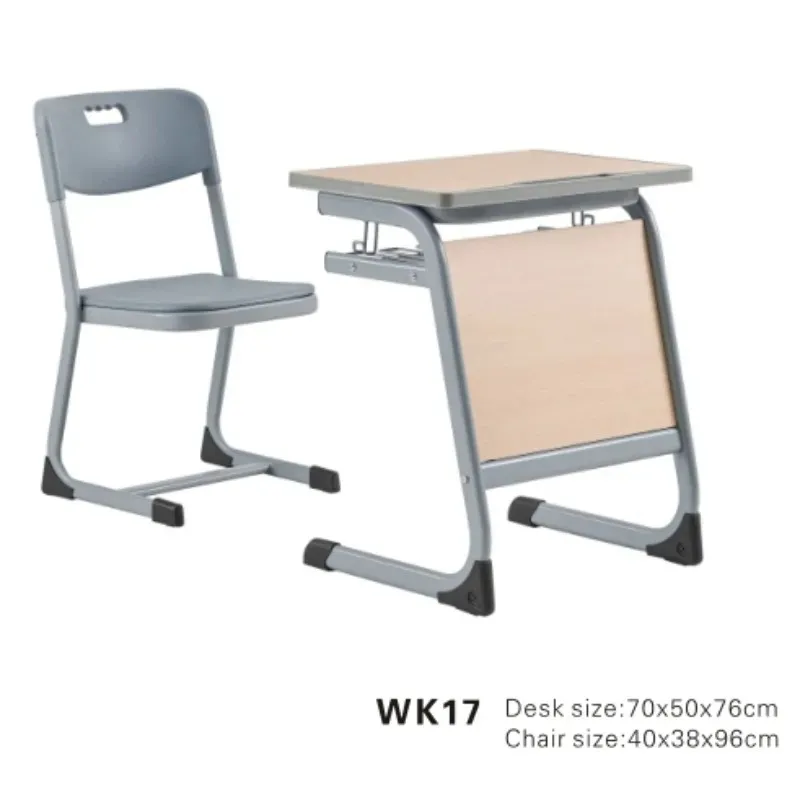
This guide compares bulk school furniture solutions for international education projects, including product categories, supplier capabilities, indicative pricing, inspection, shipping, customs, and installation planning.
Nov. 04 2026
Plastic Auditorium Chair Design Features and Application Areas
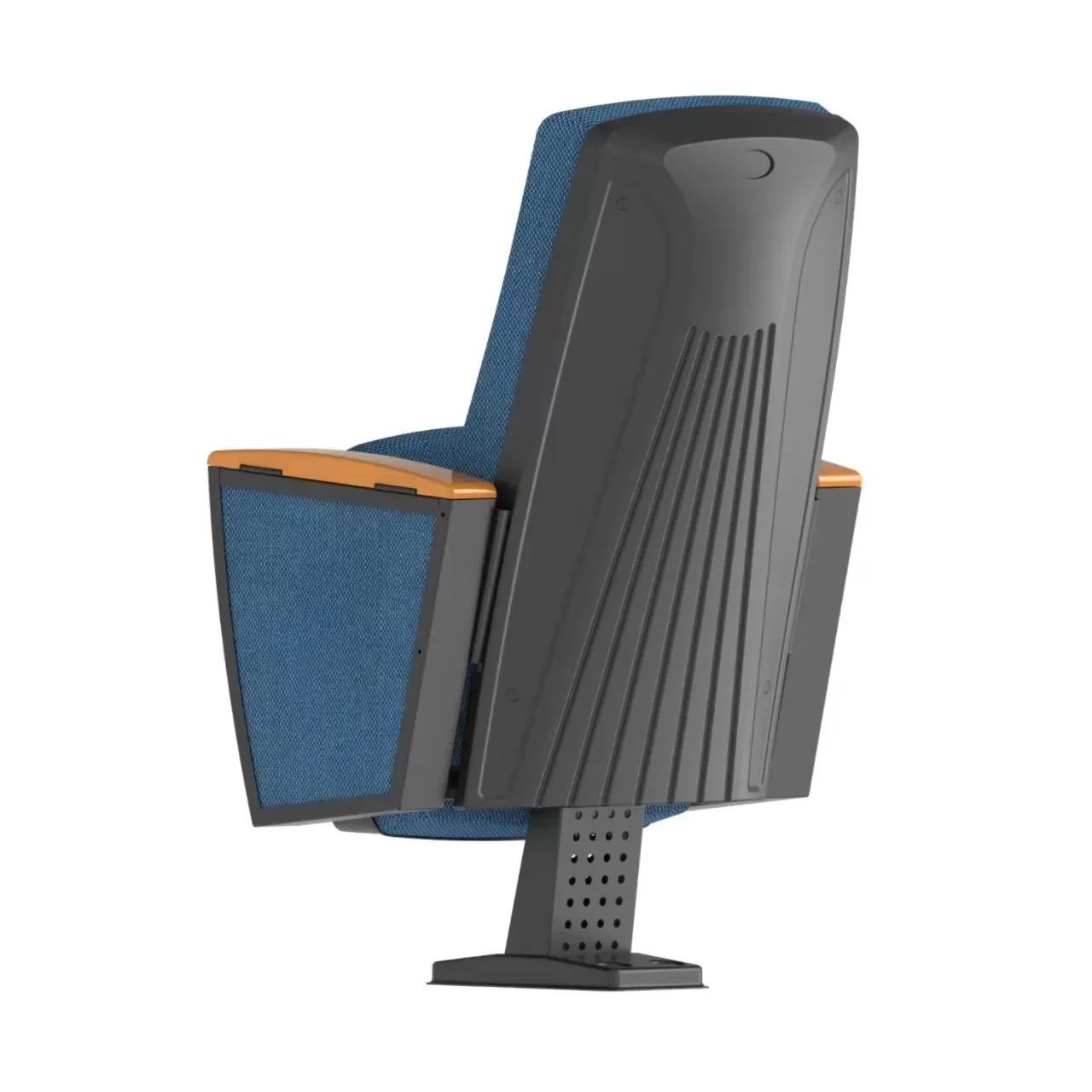
This guide explains plastic auditorium chair design features and application areas, covering construction, comfort, safety, installation, lifecycle cost, customization, and venue suitability.
Nov. 02 2026
Training Center Furniture Layout and Equipment Solutions
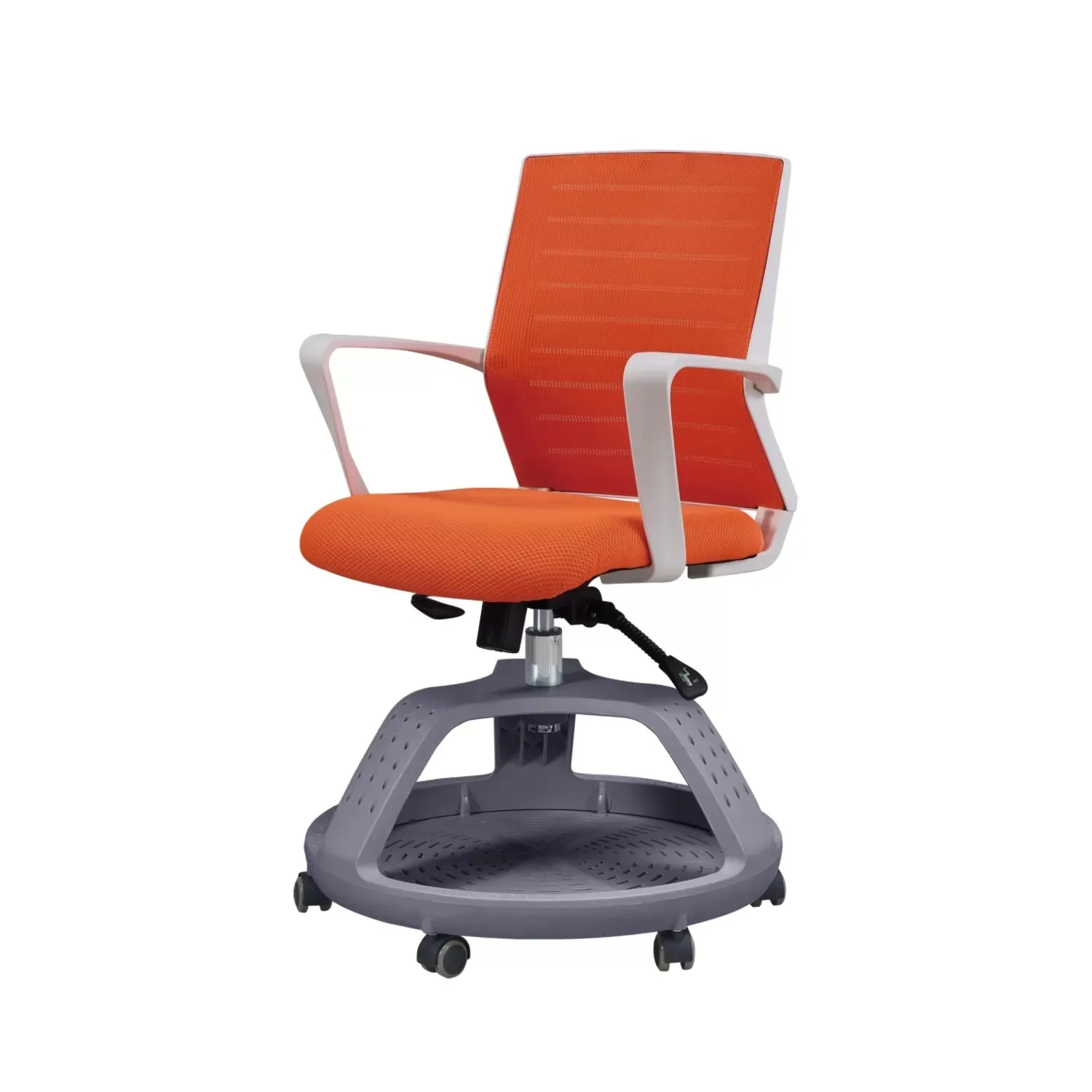
This guide explains Training Center Furniture Layout and Equipment Solutions, including room layouts, furniture specifications, technology planning, space allocation, installation, and lifecycle costs.
Oct. 30 2026
University Classroom Furniture Design and Seating Solutions
This university classroom furniture guide explains how to select flexible, ergonomic, accessible, and technology-ready seating for classrooms, lecture halls, laboratories, libraries, lounges, and learning commons.

Oct. 28 2026
Metal Frame vs Plastic Frame Student Chairs: Performance Comparison
Metal Frame vs Plastic Frame Student Chairs: Performance Comparison covering durability, comfort, storage, maintenance, cost, and buyer checks for school procurement teams.
Oct. 26 2026
Public Seating Solutions for Large Educational and Commercial Spaces
This Public Seating Solutions guide compares WINNER, Virco, KI, and Steelcase for schools, campuses, offices, auditoriums, libraries, and other high-traffic facilities.
BY YOUR SIDE
Our team works with you during every phase of the project.

Tel/Wechat/WhatsApp:
/
Email:
Quick Navigation
Quick Navigation
Stay in Touch
Stay in Touch


