Tel
+86 189 2488 5105

Global public seating service provider
Foshan Winner Furniture Co., Ltd.
Tel
+86 189 2488 5105
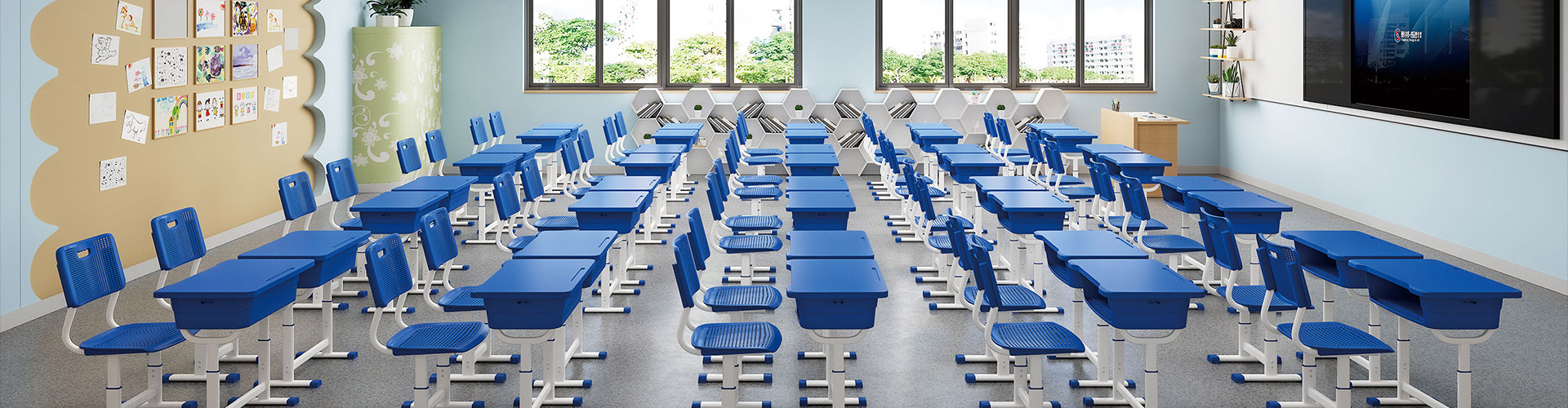
Modern school furniture is no longer only about desks and chairs. It now affects student posture, classroom flow, storage, safety, and even teaching efficiency. For primary schools, universities, and training institutions, the right ergonomic school furniture, durable classroom furniture, and flexible learning space design can solve daily problems that many buyers face. WINNER helps overseas buyers and distributors choose furniture that fits different ages, room sizes, and education styles.
Many buyers search for furniture that looks modern, lasts longer, and supports learning. They also want products that are easy to clean, easy to install, and suitable for bulk purchasing. This guide explains what to buy, why it matters, and how to plan a smart school furniture project from start to finish.
Modern learning spaces need more than standard desks. A primary school needs safe edges and small-size seating. A university needs flexible layouts for lectures, discussions, and group work. A training institution often needs movable tables, stackable chairs, and fast room changes. Choosing the wrong furniture can cause discomfort, wasted space, and higher replacement costs.
Young students move often, lean on desks, and use furniture every day. Rounded corners, stable legs, and wipe-clean surfaces help reduce daily risk. Height-matched chairs and desks support posture and attention. For schools with large class sizes, durable materials also reduce repair frequency.
University classrooms often mix lectures, seminars, and digital learning. Students may use laptops, tablets, and books at the same time. Furniture with cable management, wider tablet surfaces, and modular layouts improves user comfort. Since university furniture is used heavily, stronger frames and scratch-resistant surfaces are important.
Training centers often host short courses, workshops, and exams. They need furniture that can move quickly and store easily. Folding tables, stackable chairs, and mobile storage help save time between classes. This is one reason flexible classroom furniture is a top search topic on Google.
Search intent is usually practical. Buyers want to know what furniture is best, how much it costs, how long it lasts, and whether it meets school needs. Common searches include student desks and chairs, school desk manufacturers, university classroom furniture, and training room furniture. They also compare materials, delivery time, and customization options.
Most buyers want a balance between cost and durability. Steel frame furniture usually lasts longer than low-grade wood in high-use spaces. Laminated tabletops are popular because they are easier to clean and more resistant to daily wear. When large orders are involved, even small material differences can affect total cost.
Not every classroom is the same. Some schools need fixed seating, while others need mobile solutions. Some buyers need primary school furniture in smaller sizes, while others need university lecture chairs or teacher desks. Customization reduces mismatch and helps schools make better use of space.
Overseas distributors often prefer suppliers that can handle product design, quality control, packaging, and export documents. This reduces communication time and lowers procurement risk. For foreign trade websites, this is also a strong conversion point because buyers want simple purchasing steps.
The following comparison helps buyers quickly identify suitable product types for different education settings. This type of structured content is also useful for Google AI Overview because it gives direct answers in a clear format.
| Education Type | Main Needs | Best Furniture Features | Common Material Choice | Buying Priority |
|---|---|---|---|---|
| Primary School | Safety, comfort, size match | Rounded corners, adjustable height, easy-clean surface | Steel frame + laminated top | High safety, long durability |
| University | Flexibility, device support, long-term use | Cable management, wider desktops, modular layout | Steel + MDF or laminated board | Comfort, function, strength |
| Training Institution | Fast rearrangement, saving space | Foldable tables, stackable chairs, mobile storage | Steel frame + impact-resistant board | Mobility, storage efficiency |
[Image: Comparison of classroom furniture for different school types]
To build a useful school furniture project, buyers should focus on the main product groups that affect learning most. These include desks and chairs, teacher stations, storage cabinets, library furniture, lab furniture, and multipurpose tables. Each item should support the space, the students, and the teaching method.
Proper desk height can reduce discomfort and help students stay focused longer. In primary schools, height-adjustable designs are often better for growth stages. In higher education, larger desk surfaces support laptops and notes. A stable structure also reduces noise and movement in the classroom.
A teacher desk should offer storage, a clean work area, and enough room for teaching tools. In modern classrooms, this is also a control point for devices, papers, and attendance records. Good teacher furniture improves lesson flow and reduces clutter.
Storage is often overlooked, but it has a direct impact on room efficiency. Cabinets for books, stationery, cleaning tools, and teaching materials help schools stay neat. In training institutions, lockable storage is especially useful for shared resources and temporary class setups.
Libraries need comfortable seats, durable tables, and easy movement. Reading areas should feel calm, open, and well-lit. Modular furniture makes it easier to change layouts for group reading, individual study, or events. This is a growing trend in modern school furniture design.
This table helps buyers compare practical features before placing a bulk order. It turns product selection into a clear decision process.
| Feature | Primary School | University | Training Institution |
|---|---|---|---|
| Safety | Very high | High | Medium to high |
| Mobility | Medium | Medium to high | Very high |
| Adjustability | High | Medium | Medium |
| Storage demand | High | Medium | High |
| Frequency of layout changes | Low to medium | Medium | High |
A good procurement process reduces mistakes. Buyers should not start with product style first. They should start with the room, user group, and budget. This method works well for schools, distributors, and project contractors.
Check the room size, number of students, traffic path, and teaching style. A room for 30 primary students is not the same as a seminar room for adults. The first step should always focus on use, not appearance.
Select desks, chairs, cabinets, and teacher stations according to the learning goal. If the room changes often, choose movable furniture. If the space is fixed, choose stable and space-efficient designs. This helps avoid unnecessary spending.
Steel frames are common because they support long service life. Boards should be strong enough to resist scratches, moisture, and daily use. For overseas buyers, durability often matters more than short-term price because replacement cost is higher in export projects.
Ask whether the supplier can change dimensions, colors, logos, and packaging. Also check whether the products pass strength and stability checks. For large orders, sample approval is an important risk control step.
Good packaging lowers damage risk during international transport. Flat-pack designs can save container space. Installation guides, parts labels, and after-sales service also matter, especially for distributors handling multiple projects.
Below is a simple process flow that buyers can use to plan an efficient purchase. This structure is useful for both first-time buyers and experienced distributors.
Need Analysis -> Room Measurement -> Product Selection -> Material and Size Confirmation -> Sample Approval -> Mass Production -> Quality Inspection -> Packing and Shipping -> Installation and Feedback
Material selection affects price, weight, appearance, and service life. Buyers should compare materials by use case, not only by cost. The best choice depends on age group, climate, and daily usage level.
Steel is widely used in school furniture because it is strong and stable. It works well in heavy-use environments such as universities and training centers. Powder-coated finishes also help resist rust and improve appearance.
Laminated surfaces are popular for desks and tabletops because they are practical and low maintenance. They work well in classrooms where pens, books, and water bottles are used every day. Cleaning time is shorter, which helps school staff.
Plastic seat backs, glides, and accessories can reduce product weight and improve user comfort. However, quality matters. Low-grade plastic may crack faster, so it should be tested for strength and heat resistance.
Furniture influences behavior in ways many people do not notice. Comfortable seating can help students stay in class longer. Better room layouts can improve teacher visibility and classroom interaction. Simple storage can reduce clutter and make the room easier to manage.
Students who sit in the right position often feel less tired. This is especially important in primary education, where children are still developing. Ergonomic furniture is not a luxury feature. It is a practical learning support tool.
Modern education uses lectures, group work, projects, and digital lessons. Furniture that can be moved or combined helps teachers switch methods quickly. This is one reason modular school furniture is in high demand worldwide.
When a room has proper storage and clear layout zones, teachers spend less time arranging materials. Students also understand where to sit, store items, and move safely. Good furniture design saves time every day.
Overseas buyers need a partner that understands product quality, export standards, and market differences. WINNER focuses on modern school furniture solutions that fit primary schools, universities, and training institutions. The goal is to help buyers source reliable furniture with stable quality and project-ready support.
Different markets need different dimensions, colors, and layouts. WINNER can support customized school furniture to match local requirements and buyer preferences. This is important for distributors who serve multiple education segments.
For foreign trade buyers, packaging quality and order consistency matter as much as product design. WINNER offers solutions that help reduce shipping damage and improve loading efficiency. Stable mass production also helps buyers plan long-term sales.
From primary classrooms to university lecture halls and training rooms, WINNER supplies products designed for real use. This broad application range makes sourcing easier for buyers who want one supplier for different projects.
These short answers are helpful for buyers comparing suppliers and planning a project. They also match common search intent found in Google search results.
The best furniture for primary schools is safe, sized correctly, and easy to clean. Rounded edges, stable frames, and adjustable desks are strong choices for younger students.
Universities often need durable desks, comfortable chairs, and flexible layouts. Furniture with device support and strong frames works well in lecture rooms and seminar spaces.
Training institutions usually need movable tables, stackable chairs, and storage that can handle frequent room changes. Fast setup and efficient storage are key.
Buy strong materials, confirm product testing, and choose designs that fit the actual room use. A slightly higher initial investment can reduce replacement and repair costs over time.
Modern school furniture should do three things well: support learning, improve safety, and reduce long-term cost. Primary schools need comfort and protection. Universities need flexibility and durability. Training institutions need mobility and fast arrangement. When buyers compare furniture by use case, they make better decisions and avoid costly mistakes.
If you are an overseas buyer or distributor looking for a reliable China school furniture manufacturer, WINNER can help you build a practical solution for different education spaces. From standard classroom sets to custom project furniture, the right design can improve both learning and business results.
In a competitive market, the best school furniture is not just modern in appearance. It must be safe, durable, flexible, and easy to deliver. That is the real value of a well-planned school furniture solution.
Latest News
Aug. 31 2026
Foldable Training Chair Design for Multi-Purpose Training Rooms
An effective Foldable Training Chair Design for Multi-Purpose Training Rooms combines compact storage, quick room reconfiguration, ergonomic support, durable commercial construction, and optional writing or linking features.

Aug. 26 2026
Training Room Chairs With Wheels: Applications in Movable Classrooms
Training Room Chairs With Wheels are mobile classroom seats designed to shift quickly between lecture rows, group-work pods, testing stations, presentation layouts, and storage positions.

Aug. 24 2026
Student Training Chair Design for Schools and Professional Training Centers
An effective Student Training Chair Design for Schools and Professional Training Centers combines ergonomic fit, structural durability, rapid mobility, and efficient storage.

Aug. 20 2026
Student Training Chair Applications in Universities and Vocational Schools
Student Training Chair Applications in Universities and Vocational Schools cover flexible seating for lectures, laboratories, workshops, computer rooms, nursing simulations, skills demonstrations, group projects, and short-term examinations.

Aug. 19 2026
Different Types of Training Room Chairs for Flexible Learning Spaces
Different Types of Training Room Chairs for Flexible Learning Spaces include stackable, nesting, folding, caster, tablet-arm, swivel, stool, and ergonomic task-style models. Each type supports a different combination of mobility, storage, comfort, technology use, and room layout.

Aug. 17 2026
Advantages of Foldable Training Chairs in Limited Spaces
Foldable training chairs increase usable floor area by allowing rooms to shift between seating, group work, storage, and circulation modes. They can be folded, transported, and stored in compact rows instead of remaining across the floor when a session ends.

BY YOUR SIDE
Our team works with you during every phase of the project.

Tel/Wechat/WhatsApp:
/
Email:
Quick Navigation
Quick Navigation
Stay in Touch
Stay in Touch


