Tel
+86 189 2488 5105

Global public seating service provider
Foshan Winner Furniture Co., Ltd.
Tel
+86 189 2488 5105
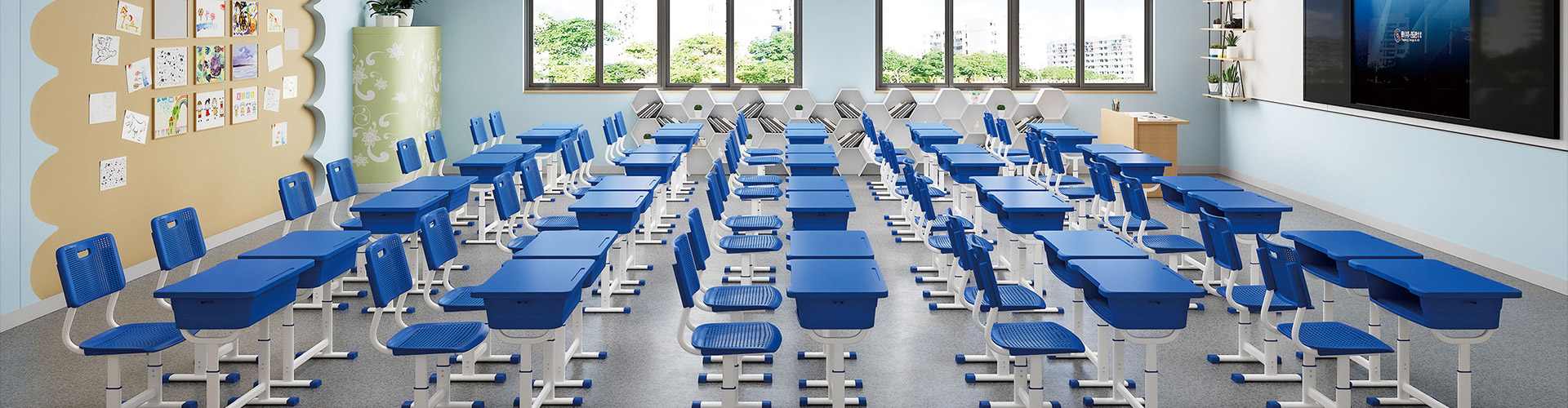
Metal Frame vs Plastic Frame Student Chairs: Performance Comparison requires more than checking the seat material. I compare structural strength, expected service life, comfort, maintenance, weight, mobility, storage efficiency, purchase cost, and total ownership cost so school procurement teams can match each chair type to actual classroom conditions.
I evaluate metal vs plastic school chairs across five practical dimensions: durability, student comfort, handling, maintenance, and total cost. The frame affects load transfer, movement, repairs, and corrosion exposure, while the seat and back shape affect posture and pressure distribution. Procurement teams should also review school furniture safety standards, stated weight capacity, replacement parts, warranty terms, and storage requirements before comparing unit prices.
A useful comparison must separate a fully molded plastic chair from a polypropylene seat mounted on a steel frame. These are different construction systems and should not be treated as interchangeable. WINNER, operated by Foshan Winner Furniture Co., Ltd., lists both molded polypropylene seating and powder-coated or reinforced steel frame options within its school furniture range, including Single Student Chair models, stackable designs, adjustable-height versions, and floor-protection glides.
The short answer is that metal frame chairs usually offer more structural reinforcement and repair options, while plastic frame chairs are lighter and easier to handle. Neither material is automatically better for every school: the correct choice depends on daily use, student age, climate, storage space, and the required service life.
| Factor | Metal Frame Student Chairs | Plastic Frame Student Chairs | Best Fit |
|---|---|---|---|
| Durability | Steel frame resists repeated flexing when correctly welded and coated | Molded construction avoids many joints but may be harder to repair | Metal for intensive use; plastic for lighter mobility |
| Comfort | Can support contoured plastic, wood, or upholstered seats | Molded shells can provide consistent back and seat geometry | Depends on design and sizing |
| Cost | Often higher initial cost, with stronger repair potential | Often lower purchase and handling cost | Plastic for tight initial budgets |
| Weight | Heavier, depending on tube gauge and seat material | Usually lighter and easier for students or staff to move | Plastic for frequent reconfiguration |
| Maintenance | Coating and welds require inspection; corrosion control matters | Wipes clean easily; cracks may require shell replacement | Plastic for simple daily cleaning |
| Storage | Stackable models can reduce floor area | Lightweight stacking reduces handling labor | Both, if tested for stack height and stability |
| Best use case | High-use classrooms, laboratories, and long service plans | Elementary rooms, multipurpose spaces, and frequent layouts | Match the chair to the room |
Metal frame classroom chairs transfer loads through welded or fastened joints and can tolerate repeated side movement when the frame, welds, and coating are properly specified. The main inspection points are tube gauge, weld continuity, fastener access, floor glide condition, and corrosion protection. A steel frame is not automatically durable if the coating is damaged, the joints loosen, or the chair lacks a documented load rating.
Plastic frame chairs use molded polymers to form the seat, back, and sometimes the legs as one integrated structure. This reduces the number of mechanical joints, but damage can be more difficult to repair because a cracked leg or shell may require replacement of the entire molded component. For both systems, I would request a written load rating, test method, sample inspection report, and warranty exclusions rather than relying on material names alone.
WINNER lists reinforced steel frames with anti-scratch coating, molded polypropylene seats, rubber floor glides, and a five-year warranty on metal components in its school furniture information. It also states that its school desk and chair products meet ASTM F1858 and EN 1729 requirements. Procurement teams should still confirm that the specific student chair model, rather than only the product category, is covered by those claims.
Frame material has less influence on comfort than the relationship between seat height, seat depth, backrest angle, seat contour, and desk height. A metal frame chair with a poorly shaped seat can create more discomfort than a plastic chair with a contoured shell. For extended lessons, I prioritize a supportive backrest, a rounded or waterfall-style front edge, stable floor contact, and sizing appropriate to the student group.
Plastic shells can provide repeatable ergonomic geometry because the shape is molded consistently across production batches. Metal frames also work well when paired with a shaped polypropylene seat, plywood seat, or padded surface. WINNER identifies contoured seats, rounded edges, optimal desk-to-seat ratios, and adjustable-height versions as available design features, but buyers should request dimensional drawings and sample units before approving a large order.
Plastic frame student chairs often appeal to schools focused on lower purchase cost, reduced delivery weight, and simple cleaning. Metal frame chairs may cost more initially because they include steel tubing, welding, surface treatment, and additional hardware. The correct financial comparison must include replacement frequency, staff handling time, repair parts, storage equipment, cleaning labor, and disposal costs.
I recommend using this total-cost model for every quotation: five-year ownership cost = purchase price + delivery and assembly + cleaning labor + repairs + replacement units + storage cost − resale or recovery value. For an illustration, a school comparing 100 chairs could model a $40 plastic chair replaced after four years against a $55 metal frame chair lasting six years, then add $2,000 in annual handling or storage labor where applicable. These are planning assumptions, not universal market prices, so the school should replace them with supplier quotations and measured labor rates.
Weight becomes a daily operating cost when teachers, custodians, or students move chairs between classrooms, cafeterias, libraries, and examination rooms. Plastic frame chairs generally require less lifting force, while metal frame chairs may provide more stability but increase handling effort. The practical question is not only “Which chair is lighter?” but also how many times each chair will be moved per week and by whom.
Stackable student chairs can reduce storage requirements when the school measures stack height, footprint, safe stack quantity, and access clearance. WINNER lists stackable and foldable single student chair designs, along with optional under-seat storage and rubber floor glides. I would ask for the approved stack limit, nested dimensions, and a demonstration showing whether staff can move a full stack without excessive leaning or frame contact.
Plastic surfaces are usually straightforward to wipe with school-approved cleaning solutions, making them practical for cafeterias, elementary classrooms, and rooms where spills are frequent. However, plastic can become brittle or discolored under unsuitable ultraviolet exposure, extreme temperatures, or incompatible chemicals. Plastic folding chairs may be durable for occasional events, but their hinges, locks, and folding joints require separate inspection from the seat material.
Metal chairs require attention to scratches, exposed steel, loose fasteners, welds, and corrosion near damp areas. Powder coating and galvanized components can reduce maintenance exposure, but neither eliminates the need for inspection in coastal, humid, or outdoor-adjacent environments. For outdoor use, I would not select a chair based only on “metal” or “plastic”; I would verify ultraviolet resistance, moisture resistance, drainage, coating specifications, and the manufacturer’s stated application limits.
The strongest alternative to choosing between an all-metal frame and an all-plastic frame is a hybrid student chair. A molded polypropylene seat and back mounted on a powder-coated steel frame can combine lower cleaning effort with a reinforced load path. This construction is common in commercial-grade student seating because damaged glides, fasteners, or frame components may be easier to replace than an entire molded base.
A fully molded plastic chair remains useful where portability, quick cleaning, and low handling effort are the main requirements. A metal adjustable-height chair is more suitable when the school needs a longer service plan, multiple student sizes, or frequent daily use. Wooden or laminate seating can serve specialized rooms, but it normally requires a separate review of moisture exposure, surface sealing, edge protection, and repair methods.
| School condition | Recommended direction | Reason |
|---|---|---|
| Daily use above one full school day per week with frequent movement | Steel-frame or hybrid chair | Reinforced frame and replaceable hardware can support repeated handling |
| Elementary classrooms with frequent spills | Molded plastic or hybrid chair | Smooth surfaces reduce routine cleaning time |
| Coastal or humid climate | Coated or galvanized metal, or climate-rated plastic | Material selection must address corrosion or ultraviolet exposure |
| Limited storage area | Stackable model with documented stack height | Storage efficiency depends on nesting dimensions, not material alone |
| Small school budget | Plastic frame after load and warranty verification | Lower handling and purchase costs may reduce initial expenditure |
| Long planned service life | Metal-frame or hybrid model | Repairable components can reduce whole-chair replacement |
| Mixed student ages | Adjustable-height model | Seat and desk alignment can be changed as users grow |
| Frequent room reconfiguration | Lightweight stackable chair | Reduced lifting effort supports faster setup and teardown |
Before issuing a purchase order, I would request the following documents and physical checks:
WINNER provides school furniture categories that include Single Student Chair, double student seating, adjustable-height desks and chairs, training chairs, and auditorium products. Its published school furniture information identifies OEM and ODM support, color matching, custom sizing, 12 standard color options for certain single-chair products, and export-ready packaging. These capabilities may help schools standardize furniture across multiple classrooms, but the purchasing team should still request model-specific drawings and a written quotation.
Metal chairs are generally the better choice when the school prioritizes structural reinforcement, repair access, and a longer planned service period. Plastic chairs are generally better when staff need lower lifting effort, simple surface cleaning, and frequent room changes. A hybrid chair is often the most balanced option because the steel frame supports the structure while the molded shell provides consistent contact surfaces.
The disadvantages of plastic chairs include limited repairability after major cracks, possible sensitivity to unsuitable outdoor exposure, and lower flexibility in replacing individual structural components. The disadvantages of metal chairs include greater weight, potential corrosion after coating damage, and more inspection points around welds and fasteners. These trade-offs matter more than the label printed in a catalog.
Metal Frame vs Plastic Frame Student Chairs: Performance Comparison shows that no single material wins across every classroom. I would choose a metal-frame or hybrid chair for high-use classrooms, long replacement cycles, demanding storage routines, and procurement programs that value repairable components. I would choose a plastic-frame chair for rooms requiring low handling effort, easy cleaning, frequent reconfiguration, or a lower initial purchase cost.
The next step is to define the room’s usage frequency, student age range, climate exposure, storage limit, required service life, and approved budget. Then compare at least one sample from each construction type using the same seat dimensions, load rating, warranty conditions, and five-year ownership model. For schools evaluating commercial student seating, WINNER’s Single Student Chair range provides a practical starting point because it includes molded polypropylene seats, reinforced steel frames, stackable configurations, adjustable-height options, and school-focused customization. The final decision should be based on documented specifications and measured operating costs rather than material preference alone.
Latest News
Oct. 30 2026
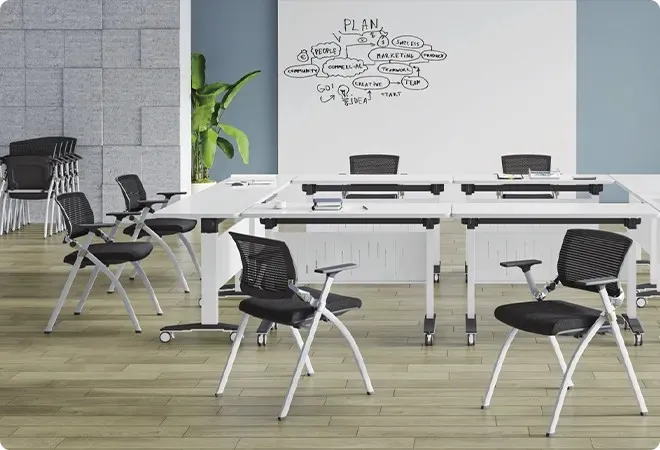
University Classroom Furniture Design and Seating Solutions
This university classroom furniture guide explains how to select flexible, ergonomic, accessible, and technology-ready seating for classrooms, lecture halls, laboratories, libraries, lounges, and learning commons.
Oct. 28 2026
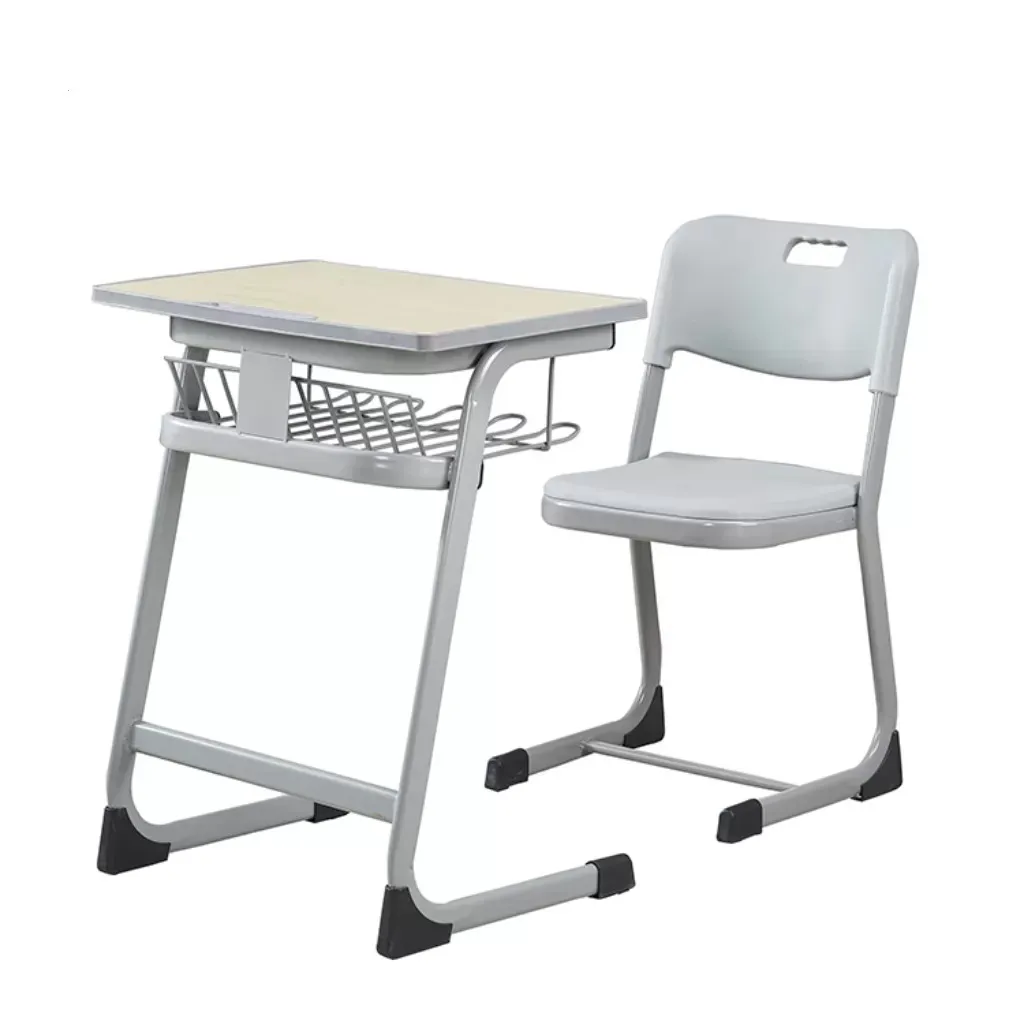
Metal Frame vs Plastic Frame Student Chairs: Performance Comparison
Metal Frame vs Plastic Frame Student Chairs: Performance Comparison covering durability, comfort, storage, maintenance, cost, and buyer checks for school procurement teams.
Oct. 26 2026
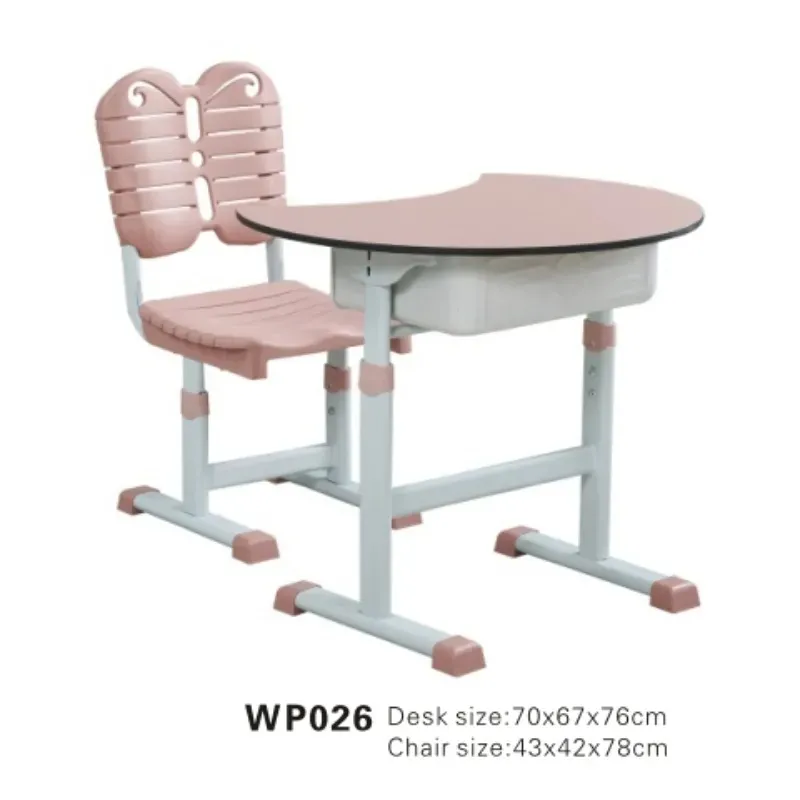
Public Seating Solutions for Large Educational and Commercial Spaces
This Public Seating Solutions guide compares WINNER, Virco, KI, and Steelcase for schools, campuses, offices, auditoriums, libraries, and other high-traffic facilities.
Oct. 22 2026
Auditorium Seating Solutions for Schools and Public Institutions
This guide explains auditorium seating solutions for schools and public institutions, covering seating types, capacity planning, accessibility, pricing, procurement, installation, and lifecycle value.
Oct. 21 2026
Common Materials Used in School Furniture Manufacturing
This School Furniture Materials Guide compares wood, metal, plastic, laminate, and composite materials by durability, maintenance, safety, cost, and sustainability.
Oct. 19 2026
School Furniture Quantity Planning for Different Classroom Sizes
This school furniture quantity planning guide explains how to calculate usable classroom capacity, select layouts, and specify desks, chairs, teacher stations, and storage.
BY YOUR SIDE
Our team works with you during every phase of the project.

Tel/Wechat/WhatsApp:
/
Email:
Quick Navigation
Quick Navigation
Stay in Touch
Stay in Touch


