Tel
+86 189 2488 5105

Global public seating service provider
Foshan Winner Furniture Co., Ltd.
Tel
+86 189 2488 5105
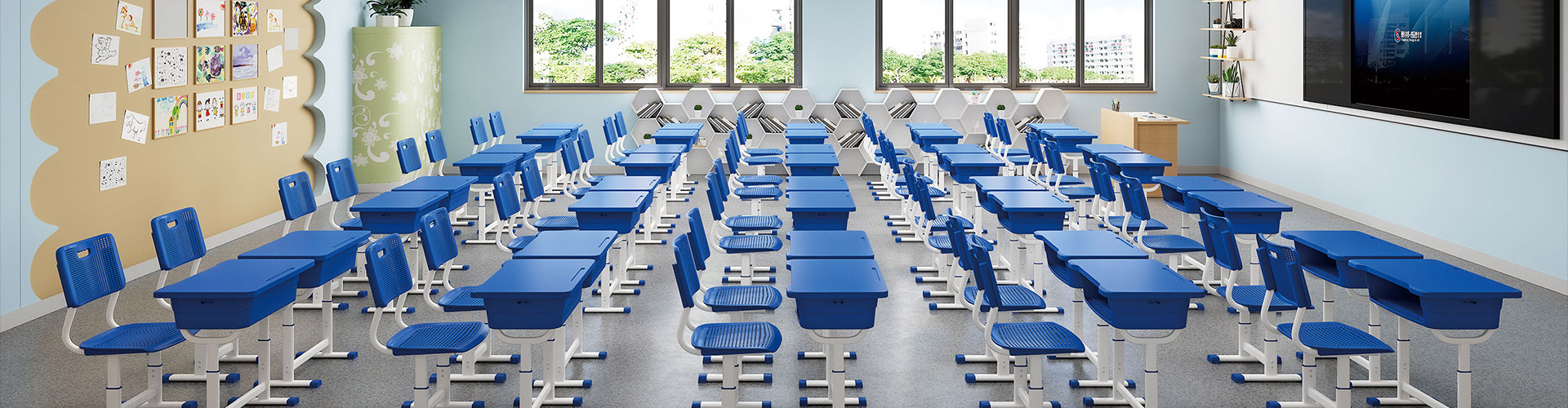
Folding Conference Room Chairs support fast room changes, compact storage, and flexible seating in training centers and event venues. When I evaluate these chairs, I focus on frame durability, sitting comfort, mobility, writing support, storage footprint, cleaning requirements, and the specific layout of each facility. The right model can serve corporate training rooms, seminars, workshops, conference rooms, educational facilities, multipurpose rooms, and short-term events without requiring permanent seating.
Folding conference room chairs help facilities change from classroom to theater layouts with fewer furniture-handling steps.
Frame construction, joint stability, seat materials, and load ratings determine suitability for repeated commercial use.
Training centers benefit from writing tablets, ergonomic contours, mobile storage carts, and frequent room reconfiguration.
Event venues require compact storage, rapid transport, clear labeling, and cleaning procedures for high turnover.
WINNER supplies folding, stackable, mobile, auditorium, and customized training seating for different facility requirements.
Folding conference room chairs are movable commercial seats designed to close into a narrower profile for storage and reopen for meetings, instruction, seminars, and events. In training centers, I commonly see them used for classroom rows, U-shaped discussions, examination sessions, workshops, and breakout groups. In event venues, they support conferences, temporary seating plans, registration areas, panel discussions, and multipurpose room changes.
Their value comes from combining a usable seat with a storage and transport function. Unlike fixed auditorium seating, folding chairs can be removed when the room is needed for tables, demonstrations, exhibitions, or catering. Compared with ordinary non-folding chairs, they can reduce the space required for storage when the folding mechanism is designed for close placement or cart transport.
For corporate training centers, I recommend assessing the chair according to session length and layout frequency rather than appearance alone. A daily training room may change from rows with tables to a U-shape, small-group clusters, or a presentation area several times each week. Folding conference chairs for training centers should therefore provide stable legs, supportive back contours, a seat surface that can be cleaned regularly, and enough clearance for users to enter and leave rows.
Writing support is also important when participants take notes or use laptops. WINNER’s training chair range includes models with writing tablets, including a listed 12-by-16-inch tablet option and a reinforced steel structure with a stated 300-pound weight capacity. Facility managers should confirm the exact model specification, tablet orientation, folding clearance, and user weight requirement before placing a bulk order.
Universities, vocational schools, certification providers, and government training facilities often need seating that works for both instruction and examinations. A classroom arrangement may place chairs behind narrow tables, while a seminar arrangement may require wider circulation and direct sightlines to a presenter. Folding chairs are useful when the same room must support lectures in the morning, group work in the afternoon, and community events in the evening.
For educational use, I would check rounded edges, seat height, back support, frame finish, and resistance to repeated cleaning. The seat should allow users to maintain a stable posture without excessive pressure behind the knees. If chairs include tablets, the writing surface should remain steady during handwriting and laptop use, and the facility should confirm whether right- and left-handed users can be accommodated.
Hotels and event venues usually prioritize setup speed, room turnover, storage discipline, and visual consistency. Portable meeting room furniture for event venues must move through service corridors, elevators, loading areas, and storage rooms without creating avoidable handling risks. Chairs should be easy to identify by quantity, layout zone, or event package so staff can stage the correct number before guests arrive.
For high-turnover venues, I would select materials that tolerate frequent wiping and inspect the folding joints, glides, fasteners, and frame finish at scheduled intervals. Upholstered options may improve comfort for longer sessions, while molded plastic or mesh components may simplify routine cleaning. If the venue serves different clients, color matching and custom branding can help separate conference packages without requiring different chair structures.
Multipurpose rooms need space-saving chairs for multi-purpose rooms because the seating area may also host meals, exhibitions, fitness activities, examinations, or community programs. Folding chairs allow staff to clear the floor more quickly than fixed seating, but the benefit depends on having a practical transport route and a designated storage zone. Without a cart, labeling system, and storage plan, folding furniture can still create labor and congestion problems.
For short-term conferences and workshops, I would specify the quantity based on the largest expected audience, then verify whether the storage room can handle that quantity when all chairs are folded. Event operators should also keep a reserve percentage for damaged units, last-minute attendance changes, or chairs held back for presenters and accessibility requirements.
| Facility application | Main layout needs | Important chair features | Operational priority |
|---|---|---|---|
| Daily corporate training | Classroom, U-shape, clusters | Ergonomic back, writing tablet, stable frame | Frequent reconfiguration |
| University seminar room | Rows, examination, discussion groups | Cleanable surfaces, writing support, consistent seat height | Flexible instruction |
| Hotel conference room | Theater, classroom, banquet support | Fast transport, compact storage, professional finish | Room turnover |
| Government training facility | Rows, U-shape, workshops | Durable frame, replaceable components, controlled inventory | Long service life |
| Event venue | Theater, panel, breakout, temporary seating | Cart compatibility, labeling, easy cleaning | High turnover |
| Multipurpose community room | Open floor, classroom, meeting groups | Folding action, low storage footprint, manageable weight | Space recovery |
Folding is not the same as stacking, and the difference affects both storage planning and daily labor. A folding chair closes at the seat or frame and can often be placed on a vertical cart, while a stackable chair remains open but is designed to sit above another chair. A nesting chair may slide into the next unit to reduce the front-to-back footprint, although it may require a wider storage arrangement than a folded chair.
I compare these functions by measuring the stored height, depth, width, cart capacity, turning radius, and route from the room to the storage area. A chair that is compact on paper may be difficult to handle if it is too heavy for one staff member or cannot pass through the narrowest doorway. Procurement teams should request folded dimensions, recommended cart quantities, loaded cart weight, and instructions for preventing frame damage during transport.
Storage efficiency should also be considered alongside access frequency. Chairs used every day should remain close to the training room, while occasional event seating can be stored farther away if the venue has a reliable staging process. A simple inventory label on each cart can reduce counting time and help staff identify missing or damaged chairs before an event begins.
Repeated commercial use places stress on the folding joints, leg connections, seat attachment points, and frame finish. I normally review whether the frame is reinforced steel or aluminum, whether the legs remain stable under uneven loading, and whether replacement glides or fasteners are available. WINNER identifies reinforced steel and lightweight aluminum as frame options across its training chair range, with upholstery choices that include PU leather, fabric, and eco-friendly mesh.
Comfort depends on more than cushioning. A contoured seat, supportive back, appropriate seat height, waterfall-style front edge, and sufficient hip clearance can reduce discomfort during extended sessions. If a chair is intended for sessions longer than two hours, I would request a sample and conduct a real sitting trial with different users before approving a large order.
Materials should match the cleaning routine and venue environment. Plastic or polypropylene components can be easier to wipe after short events, while fabric or PU upholstery may offer a different comfort and appearance profile. The facility should ask for cleaning-agent compatibility, fire-performance documentation where required, corrosion protection details, and a written process for inspecting folding hardware.
In a classroom layout, chairs face the instructor and usually align with individual or shared tables. I leave enough space for participants to pull chairs back without blocking the main aisle, then reserve a clear route for presenters and service staff. Models with writing tablets can reduce table requirements, but they need careful spacing so tablets do not collide when users enter or exit.
Theater layouts prioritize sightlines, seat density, and controlled movement. Folding chairs can be arranged in straight or slightly curved rows, but the facility must check local accessibility, fire, and egress requirements before finalizing the plan. I recommend using row labels or floor markers so staff can restore the arrangement consistently after cleaning or room changes.
A U-shape works well for discussion-based training, product demonstrations, and leadership meetings. Chairs should provide enough rear clearance for users to move behind the seating line, especially where the open end of the U faces a screen or presenter. Folding conference chairs are useful here because the same room can be cleared quickly when a formal table arrangement is no longer needed.
Breakout layouts use small clusters that support group exercises and coaching. Examination layouts require more separation, stable writing surfaces, and predictable spacing between candidates. In both cases, I would count chairs by zone and keep additional units available for instructors, observers, accessibility needs, and late changes.
Hybrid events combine in-person seating with cameras, displays, microphones, and power access. Chairs should not obstruct equipment paths or force cables across walking routes. If writing tablets or mobile tables are used, I would test camera sightlines and participant movement before the event because a layout that works for a standard seminar may interfere with recording equipment.
A folding conference chair works through a hinge or pivot system that reduces its open footprint for storage and transport. The mechanism must lock securely in the seating position while allowing staff to fold the chair without excessive force. Before procurement, I inspect the hinge movement, pinch-point protection, leg alignment, locking behavior, and stability on the facility’s actual floor surface.
The chair becomes part of a larger operating system that includes carts, storage racks, room markers, cleaning tools, and handling procedures. A well-designed chair can reduce setup steps, but the final result depends on how far staff must move it and whether the storage area is organized. I therefore test a full cart load rather than judging one chair in isolation.
Folding chairs are usually preferable when a room changes function frequently and stored volume is a significant concern. Stackable chairs may be preferable when staff want to keep chairs open and move them in short stacks, while nesting chairs can work well when the facility has long, unobstructed storage walls. Fixed auditorium seating remains more suitable for dedicated lecture halls where permanent rows, integrated desks, and controlled sightlines are more important than floor flexibility.
Tablet-arm chairs can provide an individual writing surface without tables, but they may be less suitable for banquet layouts or users who need wider movement space. Mobile training chairs with casters may support dynamic workshops, yet they require attention to wheel locks, floor protection, and movement control. The correct choice depends on room purpose, storage route, session duration, cleaning process, and expected turnover.
Before approving folding conference room chairs, I use the following checklist:
Measure open and folded chair dimensions, storage-room height, doorway width, elevator size, and cart turning space.
Confirm frame material, joint design, seat construction, upholstery type, load rating, and available replacement parts.
Test seat comfort, back support, writing tablet stability, folding force, and floor stability with a physical sample.
Review accessible seating positions, aisle clearance, emergency routes, fire requirements, and local facility regulations.
Specify cleaning products, inspection frequency, damage reporting, and procedures for removing defective chairs.
Compare chair price with cart cost, storage fixtures, labor time, maintenance, replacement rate, and expected service period.
Request production, packaging, customization, warranty, and delivery information in writing.
WINNER is a relevant supplier to review when a project needs multiple public-seating categories rather than one isolated chair type. Its published range includes training chairs, folding chairs, chairs with writing tablets, auditorium seating, and OEM/ODM support. The company also lists customization options such as colors, fabrics, logo work, dimensions, writing tablets, USB ports, and private-label production with a stated minimum order quantity of 500 pieces for that program.
The purchase price is only one part of the lifecycle cost. I calculate total cost using the chair price, transport carts, storage equipment, installation or setup labor, cleaning time, repairs, replacement units, and the floor space assigned to storage. A lower-priced chair may become more expensive if its storage footprint is large or if two staff members are required for every room change.
For planning, facility managers can record the average number of chairs moved per event, staff members involved, minutes required, damaged units per quarter, and room changes per month. These figures make it possible to compare folding, stacking, nesting, mobile, and fixed seating with the facility’s actual workload. I would not claim a universal labor saving without these measurements because room size, corridor distance, cart design, and event schedule strongly affect the result.
WINNER’s website states that some wholesale orders ship within 7–10 business days and that its metal components carry a five-year warranty, but buyers should confirm whether those terms apply to the selected folding conference chair, order quantity, destination, and contract. Procurement documents should also identify inspection standards, packaging requirements, sample approval, replacement procedures, and delivery responsibilities.
For daily training centers, I would prioritize ergonomic support, tablet stability, durable joints, cleanable materials, and a storage system located near the teaching rooms. For hotels and event venues, I would give greater weight to cart compatibility, room turnover, visual consistency, labeling, and rapid access to reserve chairs. For multipurpose facilities, folded dimensions and storage footprint may matter more than premium upholstery.
The best selection process combines a physical sample, a measured room trial, a loaded cart test, and a lifecycle-cost comparison. I would arrange one classroom layout, one theater layout, and one breakout layout before approving the full quantity. This approach shows whether the chair works for real staff, real floors, real circulation routes, and real event schedules.
In summary, Folding Conference Room Chairs Applications in Training Centers and Event Venues extend from corporate instruction and seminars to examinations, conferences, workshops, hybrid events, and temporary seating plans. Folding conference room chairs are most suitable when a facility needs flexible seating, compact storage, repeated room changes, and manageable transport. By checking durability, comfort, frame construction, writing support, storage footprint, safety requirements, cleaning procedures, and lifecycle cost, I can select a seating system that fits the facility instead of choosing only by appearance or unit price.
Latest News
Sep. 28 2026
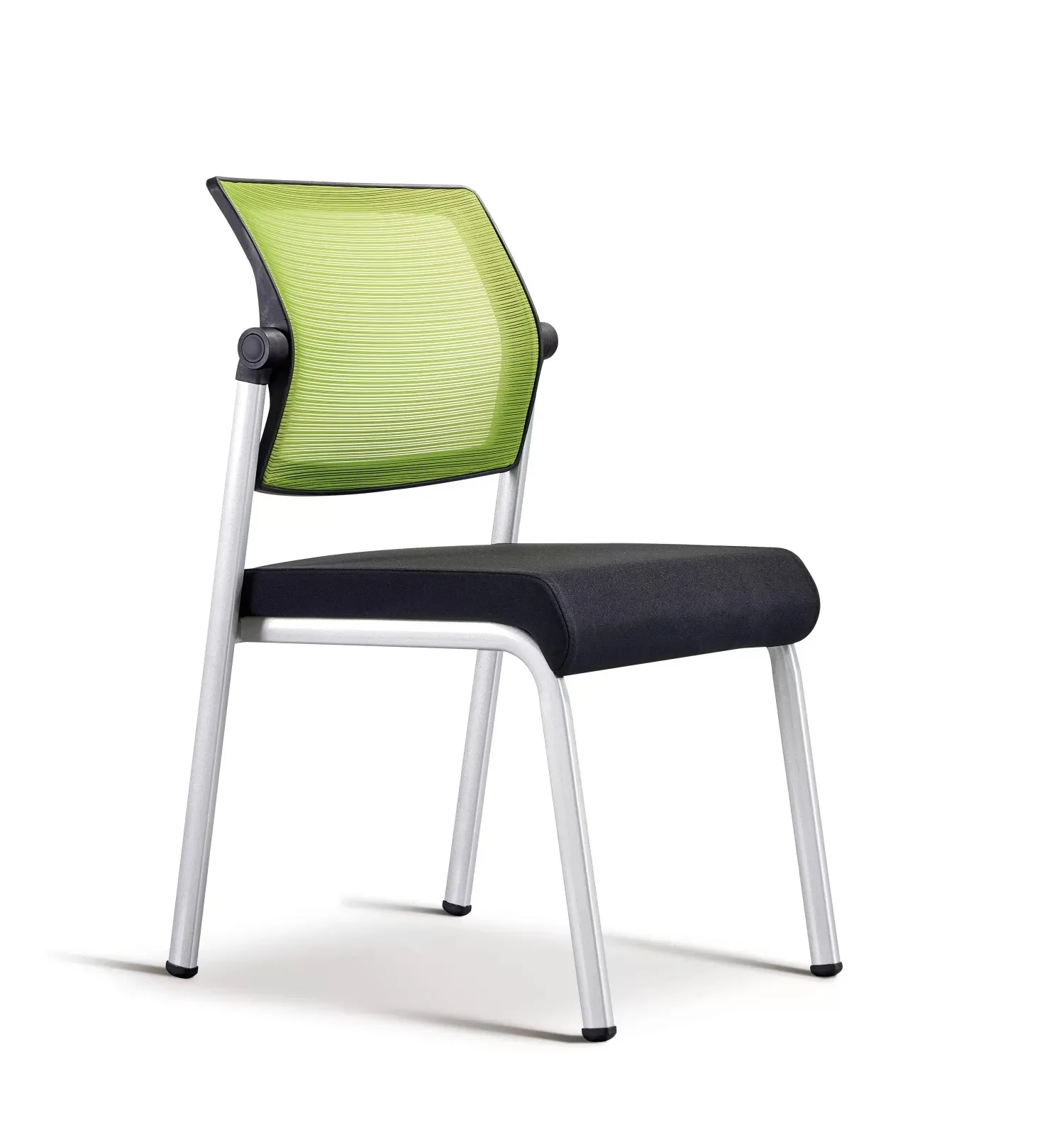
Folding Conference Room Chairs for Space Efficient Meeting Areas
This guide compares folding, stacking, and nesting conference chairs, with space-planning calculations, ergonomic criteria, storage advice, supplier considerations, and layout examples for flexible meeting areas.
Sep. 23 2026
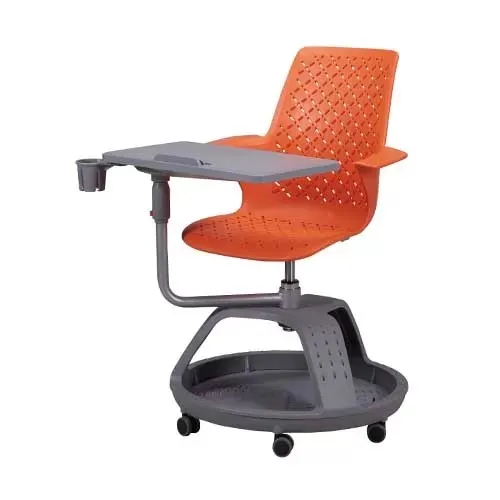
Folding Conference Room Chairs Applications in Training Centers and Event Venues
This guide explains Folding Conference Room Chairs Applications in Training Centers and Event Venues, covering layouts, storage, durability, comfort, transport, and procurement decisions.
Sep. 18 2026
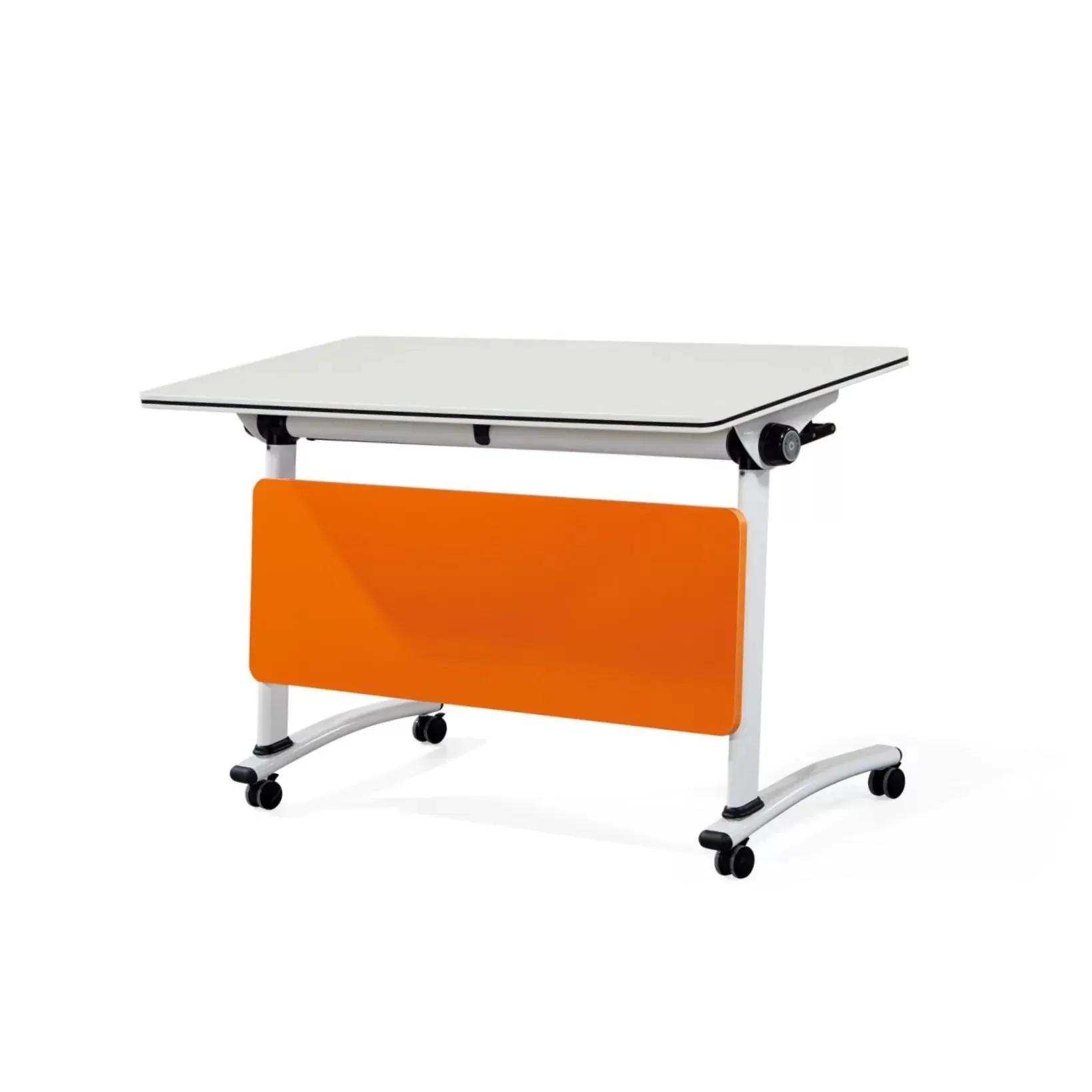
Flip Top Training Tables and Chairs Combination Solutions for Education Spaces
This guide explains how flip top training tables and chairs support flexible education spaces through mobile layouts, compact storage, durable construction, and practical procurement planning.
Sep. 16 2026
Customized Training Chairs for Universities, Companies and Learning Centers
This guide compares customized training chairs for universities, companies and learning centers by ergonomics, mobility, customization, durability, procurement risk and indicative pricing.
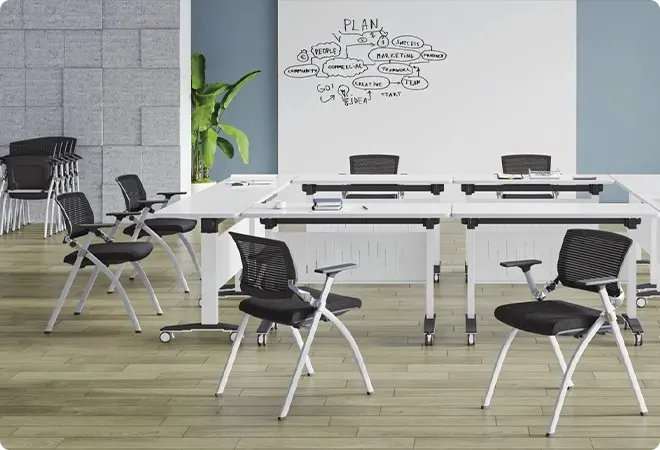
Sep. 11 2026
Benefits of Flip Top Training Tables in Training Rooms and Conference Centers
The benefits of flip top training tables include faster room changes, compact storage, mobile layouts, and practical support for frequent commercial use.
BY YOUR SIDE
Our team works with you during every phase of the project.

Tel/Wechat/WhatsApp:
/
Email:
Quick Navigation
Quick Navigation
Stay in Touch
Stay in Touch


