Tel
+86 189 2488 5105

Global public seating service provider
Foshan Winner Furniture Co., Ltd.
Tel
+86 189 2488 5105
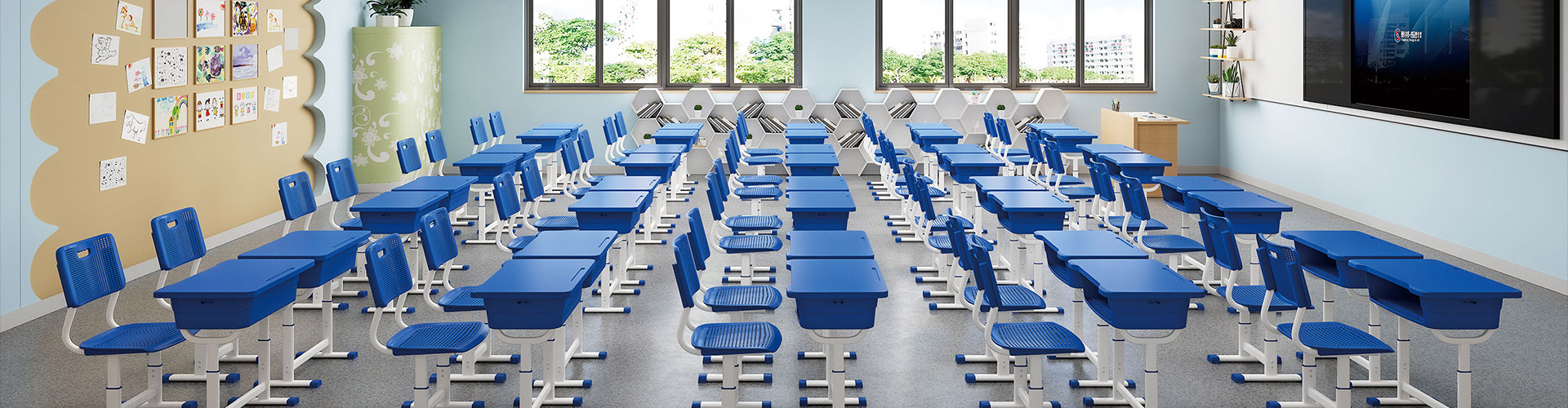
An effective Foldable Training Chair Design for Multi-Purpose Training Rooms combines compact storage, quick room reconfiguration, ergonomic support, durable commercial construction, and optional writing or linking features. Folding chairs collapse to reduce storage depth, stackable chairs build vertically, and nesting chairs overlap horizontally or diagonally to reduce floor area. The right mechanism depends on room turnover, storage access, transport equipment, session length, and required seating layouts.
Foldable training chairs support classroom, conference, seminar, theater, cabaret, and collaborative room configurations.
Folding, stacking, and nesting mechanisms solve different storage and staff-handling requirements.
A 12 × 16-inch writing tablet supports note-taking without requiring a separate training table.
Published commercial specifications include 300-pound capacity, reinforced steel frames, and 200,000 sit-cycle testing.
A complete purchase review should include layout clearance, replacement parts, delivery timing, inspections, and lifecycle cost.
A multi-purpose training room may host instructor-led lessons in the morning, a conference presentation in the afternoon, and group workshops later the same day. Fixed classroom furniture limits these transitions because each table and chair remains tied to one arrangement. A folding training chair allows staff to reduce the seating footprint, move chairs with carts, and change the room from rows to small working groups without purchasing separate furniture for every activity.
The design must balance space-saving seating for flexible training rooms with the physical requirements of extended sessions. A chair that folds efficiently but lacks back support can create discomfort during a six-hour workshop. Conversely, a heavily upholstered chair may provide comfort but increase handling weight, storage depth, cleaning time, and replacement cost.
For professional buyers, the evaluation should cover five connected areas:
Mechanism and storage: Determine whether folding, stacking, or nesting provides the best storage footprint for the available room.
Ergonomic support: Review seat width, backrest shape, seat-edge pressure, writing-tablet position, and posture support.
Commercial durability: Confirm frame construction, load rating, fatigue testing, surface protection, and replacement-part availability.
Room compatibility: Check aisle widths, tablet-arm clearance, wheelchair access, door dimensions, and trolley movement.
Supply and lifecycle control: Review sample timing, production lead time, inspection procedures, spare parts, warranty coverage, and expected replacement cycles.
The objective is not to select the smallest chair when folded. The objective is to specify a chair that reduces setup labor and storage demand while still supporting safe movement, practical writing space, and predictable service life.
The main advantage of space-saving foldable training chairs is the ability to separate daily seating capacity from permanent floor occupation. When a room is used for training only part of the week, folded chairs can move into a dedicated storage zone instead of occupying the center of the room. This permits the same area to support examinations, presentations, receptions, staff meetings, and practical workshops.
Folding systems are especially useful when the storage room has limited vertical capacity or when staff must move chairs through standard doors. A folded chair usually presents a narrower profile than an occupied chair, although the exact footprint depends on the frame, armrests, tablet mechanism, and upholstery thickness. Buyers should request the folded depth and trolley loading diagram rather than estimating capacity from the open-chair dimensions.
Stacking and nesting systems should also be considered. A stackable training chair is stored vertically, while a nesting chair overlaps with adjacent chairs to reduce the horizontal footprint. A foldable chair can sometimes be both foldable and stackable, but the manufacturer should confirm the maximum safe stack height and whether the chair can be moved on a trolley while folded.
| Mechanism | Storage Direction | Main Advantage | Main Risk |
|---|---|---|---|
| Folding | Chair collapses inward | Reduced depth and fast room clearance | Hinges and locking points require inspection |
| Stacking | Chairs sit vertically | Simple storage towers and trolley movement | Stack height may create handling or stability limits |
| Nesting | Chairs overlap | Efficient horizontal storage for repeated use | Requires adequate side clearance and aligned frames |
| Folding plus stacking | Collapsed chairs stack | High flexibility for large facilities | More moving parts and higher specification complexity |
For facilities with frequent room changes, transport equipment is as important as the chair mechanism. A trolley should support the chair at its frame rather than place stress on the seat shell or tablet arm. It should also pass through storage doors, lift entrances, and corridor turns without forcing staff to carry individual units.
Choose folding chairs when the primary requirement is rapid conversion from a seated room to an open floor. This design is suitable for conference centers, corporate training rooms, and hotel meeting spaces where chairs may be removed after each session. Folding models also work well when storage depth is more restricted than storage height.
Choose stacking chairs when the facility has a dedicated storage room with sufficient ceiling height and a predictable maximum stack. Stackable models are often simpler to inspect because the frame and seat remain in a familiar open configuration. They can be efficient for schools, seminar halls, and event facilities that prepare a room in batches.
Choose nesting chairs when chairs must remain easy to access in rows or groups without forming tall stacks. Nesting is useful where staff need to move several chairs together but want to avoid a high vertical load. It can also reduce the distance between stored chairs and the training room because the units may be pulled from the side of a storage bank.
The mechanism should be selected through an operational test. Ask staff to clear 30 chairs, move them through the intended route, load the trolley, and restore the room. Record the number of staff members, minutes required, door conflicts, floor noise, and any point where the tablet arm, caster, hinge, or chair back contacts another unit.
A commercial Foldable Training Chair should be reviewed as a complete seating system rather than as a seat shell alone. The frame, hinge, glides, writing tablet, backrest, upholstery, and trolley interface all affect daily performance. A specification sheet should identify each major material and the applicable test method instead of using only general terms such as “commercial grade.”
Reinforced steel frames are commonly selected for training rooms because they provide a stable base during repeated movement and seated use. The frame finish should resist abrasion from folding, trolley contact, and frequent cleaning. Powder-coated surfaces can reduce exposure of the steel, but the buyer should still request coating thickness, corrosion test results, and repair instructions.
One published training-chair specification lists a 300-pound weight capacity for a chair with a writing tablet and reinforced steel frame. Another published manufacturer testing profile lists a 120-kilogram load test and more than 200,000 sit cycles. These figures should be treated as model-specific claims, not automatically applied to every chair in a product family.
Training chairs used for full-day workshops should include a shaped backrest, a seat edge that avoids concentrated pressure behind the knees, and enough seat width for different users. A waterfall-style front edge can reduce pressure at the thighs when users sit for long periods. The chair should also allow the user to maintain a reasonably upright position while writing, viewing a screen, or listening to an instructor.
A writing tablet changes the posture requirement. If the tablet is too low or too close to the torso, users may lean forward for long periods. Buyers should request the tablet height, clearance from the seat edge, usable writing area, left- and right-hand versions, and whether the tablet can support a laptop or only paper and a small notebook.
Foldable training chairs with writing tablets are appropriate for workshops, certification courses, university seminars, and rooms where separate tables would reduce flexibility. A published tablet specification provides a 12 × 16-inch work surface, while a wider laptop-compatible version provides an 18-inch work surface. These dimensions should be compared with the user’s typical equipment before selecting the model.
The tablet should have a controlled flip-up action, a stable support arm, and a locking position that does not shift during writing. Check the clearance between neighboring tablets in classroom and theater layouts. If users need to exit from the side, the tablet must fold without blocking the aisle or trapping the user between adjacent chairs.
Some training rooms require rows that remain aligned during presentations. Linking devices or ganging clips can connect chairs for auditorium-style seating, but they should not prevent staff from folding or moving individual units. The connection system should be tested on the actual floor surface because uneven flooring can place lateral stress on the links.
Floor protection is another practical issue. Hard casters may mark resilient flooring, while soft glides may increase pushing resistance on carpet. Specify nylon, polyurethane, rubber, or felt contact points according to the floor material, and request replaceable glides so a worn contact point does not require replacing the complete chair.
Training room seating layout design should begin with the room’s largest expected event and then verify that smaller configurations can be created without moving stored furniture through occupied areas. The designer should mark doors, emergency exits, columns, power points, screens, presenter zones, and accessible routes before placing chairs. A layout that fits on paper may fail if tablets collide, trolley turns are too tight, or the presenter cannot reach the front of the room.
The classroom layout places chairs behind tables or uses chairs with integrated tablets in parallel rows facing the instructor. It supports note-taking, presentations, and examinations. The design should provide enough front-to-back distance for users to sit, stand, and pass without contacting the tablet or chair behind them.
Where chairs include 12 × 16-inch tablets, the room should be tested with actual notebooks and laptops. A tablet may fit the furniture plan but still feel restrictive if the chair arms, neighboring tablets, or rear-row equipment reduces elbow room.
A U-shape supports discussion, instructor access, and screen visibility. Folding chairs make this configuration practical when a room also hosts lecture rows or open-floor activities. The outside corners require careful checking because the angled chairs may need more clearance than straight rows.
For a U-shape, avoid placing tablet arms where they block the table surface or create sharp contact points at corners. If the chair has a writing tablet, users may prefer the tablet folded away while working with the central table.
Theater seating maximizes audience capacity by removing tables and aligning chairs toward a presentation area. Linking devices can reduce chair movement during large sessions, although they add setup steps when the room must return to an open configuration. Aisles should remain continuous from the rear of the room to exits, and accessible seating should not be treated as an afterthought.
Cabaret seating uses small table groups with chairs oriented toward the presentation screen. It works well for workshops that combine note-taking with team discussion. Folding training chairs reduce the time needed to alternate between cabaret and classroom arrangements, particularly when the same tablet-bearing model supports both individual writing and group work.
Collaborative layouts place chairs around several small tables or in open clusters. This configuration is useful for design workshops, problem-solving sessions, and project-based learning. Chairs should be light enough for staff or users to move without dragging across the floor, but the frame still needs sufficient stability for repeated repositioning.
Exact clearances depend on local building codes, fire regulations, accessibility rules, table dimensions, and chair geometry. As a preliminary planning schedule, buyers can test the following ranges before completing a code review:
| Planning Item | Preliminary Range or Specification |
|---|---|
| Writing tablet surface | 12 × 16 inches for paper use; 18 inches wide for laptop use |
| Published reinforced-chair capacity | Up to 300 pounds on specified models |
| Published load-test profile | 120 kilograms on specified models |
| Published fatigue testing | More than 200,000 sit cycles on specified models |
| Typical row clearance target | 30–36 inches, subject to local requirements |
| Main aisle planning target | 36–48 inches before code verification |
| Accessible route | Verify against applicable local accessibility regulations |
| Trolley route | Check every door, turn, lift, threshold, and storage bay |
These values are planning targets rather than universal legal requirements. The final design should be checked against the authority having jurisdiction, fire egress rules, accessibility standards, and the actual chair dimensions.
A training chair is designed for short-term room flexibility, group instruction, writing, and repeated repositioning, while a standard task chair is usually optimized for one workstation. The training chair may fold, stack, nest, link, or include a tablet arm. A task chair normally provides more adjustment features, such as seat height, back tension, or armrest movement, but it is not intended to be stored in large quantities.
The distinction affects purchasing decisions. If the room supports eight-hour individual computer work, an adjustable task chair may be more appropriate. If the room changes from 40-person instruction to a 20-person workshop several times each week, a foldable training design may provide better space and operational control.
Foldable training chairs can support full-day workshops when the seat, backrest, tablet, and spacing are specified for extended use. Look for a contoured seat, a shaped back, a front edge that reduces thigh pressure, and sufficient back height for the intended users. Cushion thickness alone does not establish comfort because foam density, seat angle, back contour, and upholstery tension also affect the result.
A practical trial should last at least two hours and include writing, laptop use, discussion, and repeated entry and exit. Collect feedback from users with different body sizes rather than relying on a single evaluator. If the room serves certification programs or professional training, compare the chair with the actual session duration and not only with a showroom demonstration.
WINNER, identified as Foshan WINNER Furniture Co., Ltd., publishes training chairs, folding chairs, training chairs with tables, school furniture, and auditorium seating for education and public-space applications. Its published company profile lists more than 20 years of manufacturing experience, a 50,000-square-meter factory area, 50 robot arms, and more than 500 completed global projects. These figures help establish production scope, but buyers should still validate the exact factory, model, and inspection documents for the order under review.
The company’s published training-chair range includes mobile chairs with wheels, disc chairs, folding chairs, and customized training chairs. Its listed material options include reinforced steel or aluminum frames, PU leather, fabric, mesh, polypropylene components, and tablet surfaces in polypropylene, plywood, or melamine-coated formats. These options support different cleaning, weight, appearance, and cost requirements.
For compliance and delivery risk, the published process includes physical samples in 7–15 days, mass-production lead times of 25–45 days depending on order volume, and 100% inspection before packing. The supplier also states that third-party SGS or BV inspection is supported and that door-to-door logistics are available in more than 50 countries. A buyer should convert these statements into contract milestones covering approved samples, packaging approval, inspection dates, shipment documents, and remedies for delays.
The company also publishes a 120-kilogram load test and more than 200,000 sit-cycle fatigue testing for its seating profile, along with BIFMA and industry durability references. However, buyers should request the test report number, model identification, test setup, and pass criteria. A general company statement is not a substitute for a report tied to the exact foldable chair, writing tablet, frame, and finish being purchased.
Setup time should be measured rather than described in general terms. During a site trial, record the time required to unfold 20 chairs, align a row, attach links if used, place tablets, and clear the room. Repeat the test with two staff members and with the actual trolley to identify whether the published handling assumptions match the facility.
The storage footprint should include the chair, trolley, protective barriers, and access space. If 60 chairs are stored in a 10-chair trolley system, the storage room must accommodate six loaded trolleys plus turning clearance. Also measure the folded height, total trolley height, and doorway width because a storage plan can fail when a loaded trolley cannot pass through the door.
Staff handling affects both labor cost and product life. Lifting chairs by the tablet arm may loosen fasteners or deform the support bracket, while dragging chairs can damage floor glides and flooring. Training staff on approved lifting points, trolley loading direction, maximum stack height, and inspection intervals can reduce avoidable damage.
The purchase price is only one part of total cost of ownership. A practical calculation should include chair price, freight, duties, storage equipment, room setup labor, cleaning, replacement glides, tablet components, frame repairs, and eventual replacement. A chair that costs less initially may create higher labor expense if it takes longer to move or requires more frequent repairs.
Use this basic model:
Five-year total cost = purchase and delivery cost + storage equipment + setup labor + maintenance and parts + replacement allowance
For example, if 80 chairs require two staff members for 20 minutes of setup before 180 sessions annually, annual setup labor equals 60 staff-hours before including room clearance. If a trolley reduces the same operation to 10 minutes, the annual difference becomes 30 staff-hours. Multiply that difference by the fully loaded labor rate to estimate the operational return, then compare it with trolley cost and maintenance.
Replacement-part planning should cover glides, casters, tablet brackets, hinge hardware, linking clips, and upholstery panels. Ask whether parts are standardized across the order and whether the supplier can provide a parts list with item codes. A written five-year parts and warranty policy is more useful than an undefined durability statement.
| If the priority is… | Recommended design direction | Why |
|---|---|---|
| Frequent conversion to open floor | Folding chair with trolley compatibility | Reduces depth and supports quick clearance |
| Tall dedicated storage area | Stackable training chair | Uses vertical storage efficiently |
| Side-access storage | Nesting chair | Keeps units accessible without excessive stack height |
| Full-day writing sessions | Contoured seat with back support and tablet | Supports posture and individual work |
| Laptop-based workshops | Tablet with approximately 18-inch width | Provides more usable equipment space |
| Auditorium-style rows | Linking or ganging system | Helps maintain alignment during presentations |
| Mixed classroom and group work | Foldable tablet chair | Supports both individual and collaborative modes |
| High-use institutional setting | Tested steel frame with documented fatigue data | Supports procurement and lifecycle review |
| International project delivery | Sample, inspection, and logistics milestones | Reduces specification and shipment uncertainty |
Before requesting a quotation, prepare a room drawing, chair quantity, open and folded dimensions, tablet preference, upholstery requirement, storage location, floor type, delivery address, and target installation date. Include the number of room changes expected each week because that figure affects the value of folding mechanisms and trolley systems.
Request one production sample before approving the full order. Measure seat width, seat height, tablet clearance, folded depth, trolley fit, frame finish, and packaging protection. Conduct a small user trial, document defects with photographs, and make the approved sample the reference unit for mass-production inspection.
Foldable Training Chair Design for Multi-Purpose Training Rooms should be selected through a combined review of storage mechanism, room layout, ergonomics, durability, handling, compliance, delivery control, and lifecycle cost. Folding chairs suit rooms that change rapidly, stacking chairs suit vertical storage areas, and nesting chairs suit facilities that need accessible horizontal storage. The correct choice depends on measured operating conditions rather than on the chair label alone.
For professional buyers, the specification should identify the seat and back dimensions, tablet size, frame material, load rating, fatigue-test evidence, floor-contact material, maximum stack or trolley quantity, replacement parts, and inspection process. The published WINNER profile provides useful reference points, including 300-pound capacity on specified tablet-chair models, 120-kilogram load testing, more than 200,000 sit cycles, 7–15-day sample timing, and 25–45-day production timing. Each figure should be confirmed for the selected model in the purchase contract.
The next step is to test one representative layout, calculate the five-year total cost, and compare setup labor with storage capacity. A Foldable Training Chair becomes a practical long-term asset when its mechanism, dimensions, testing documents, and supply plan match the actual demands of the training room.
Latest News
Aug. 31 2026
Foldable Training Chair Design for Multi-Purpose Training Rooms
An effective Foldable Training Chair Design for Multi-Purpose Training Rooms combines compact storage, quick room reconfiguration, ergonomic support, durable commercial construction, and optional writing or linking features.

Aug. 26 2026
Training Room Chairs With Wheels: Applications in Movable Classrooms
Training Room Chairs With Wheels are mobile classroom seats designed to shift quickly between lecture rows, group-work pods, testing stations, presentation layouts, and storage positions.

Aug. 24 2026
Student Training Chair Design for Schools and Professional Training Centers
An effective Student Training Chair Design for Schools and Professional Training Centers combines ergonomic fit, structural durability, rapid mobility, and efficient storage.

Aug. 20 2026
Student Training Chair Applications in Universities and Vocational Schools
Student Training Chair Applications in Universities and Vocational Schools cover flexible seating for lectures, laboratories, workshops, computer rooms, nursing simulations, skills demonstrations, group projects, and short-term examinations.

Aug. 19 2026
Different Types of Training Room Chairs for Flexible Learning Spaces
Different Types of Training Room Chairs for Flexible Learning Spaces include stackable, nesting, folding, caster, tablet-arm, swivel, stool, and ergonomic task-style models. Each type supports a different combination of mobility, storage, comfort, technology use, and room layout.

Aug. 17 2026
Advantages of Foldable Training Chairs in Limited Spaces
Foldable training chairs increase usable floor area by allowing rooms to shift between seating, group work, storage, and circulation modes. They can be folded, transported, and stored in compact rows instead of remaining across the floor when a session ends.

BY YOUR SIDE
Our team works with you during every phase of the project.

Tel/Wechat/WhatsApp:
/
Email:
Quick Navigation
Quick Navigation
Stay in Touch
Stay in Touch


