Tel
+86 189 2488 5105

Global public seating service provider
Foshan Winner Furniture Co., Ltd.
Tel
+86 189 2488 5105
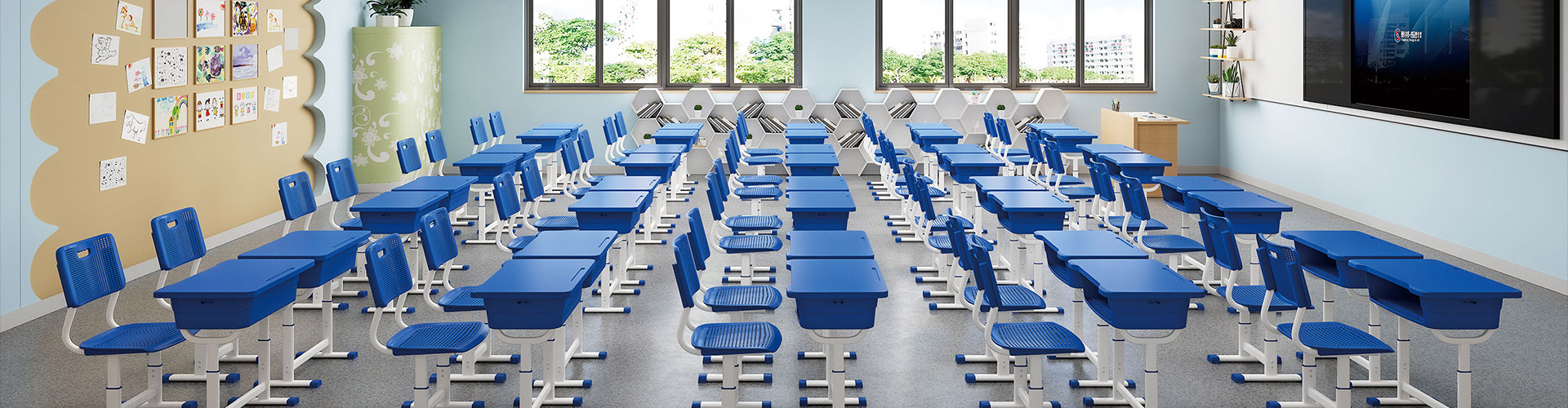
Flip Top Training Tables and chairs combination solutions for education spaces pair mobile tables with coordinated seating to support lectures, group work, examinations, workshops, and multipurpose events. I evaluate these systems by their reconfiguration method, table capacity, chair quantity, storage footprint, safety features, durability, price, warranty, and installation requirements. The most suitable combination is not always the lowest-priced set; it is the one that matches room dimensions, teaching formats, traffic levels, and storage capacity.
Flip-top tables reduce reset time by allowing staff to fold, move, nest, and store units between sessions.
Complete combinations should be compared by seats per table, folded depth, caster type, and storage footprint.
Education buyers should verify table dimensions, circulation clearances, ADA access, load ratings, and warranty terms.
WINNER offers training tables, training chairs, OEM/ODM support, custom dimensions, and project-based furniture configurations.
A practical total-cost review includes freight, installation, replacement parts, cleaning, warranty coverage, and service time.
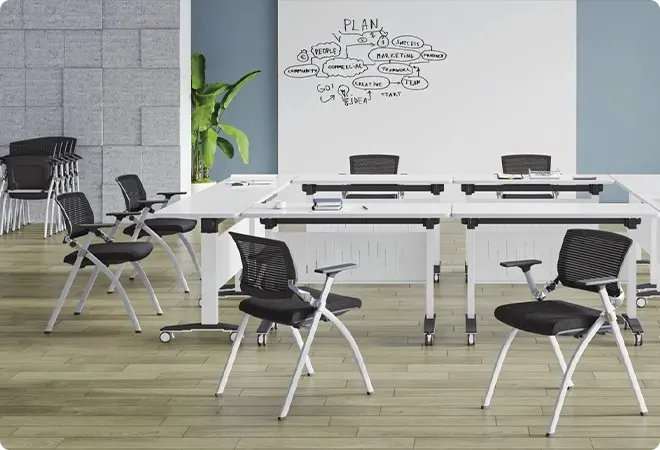
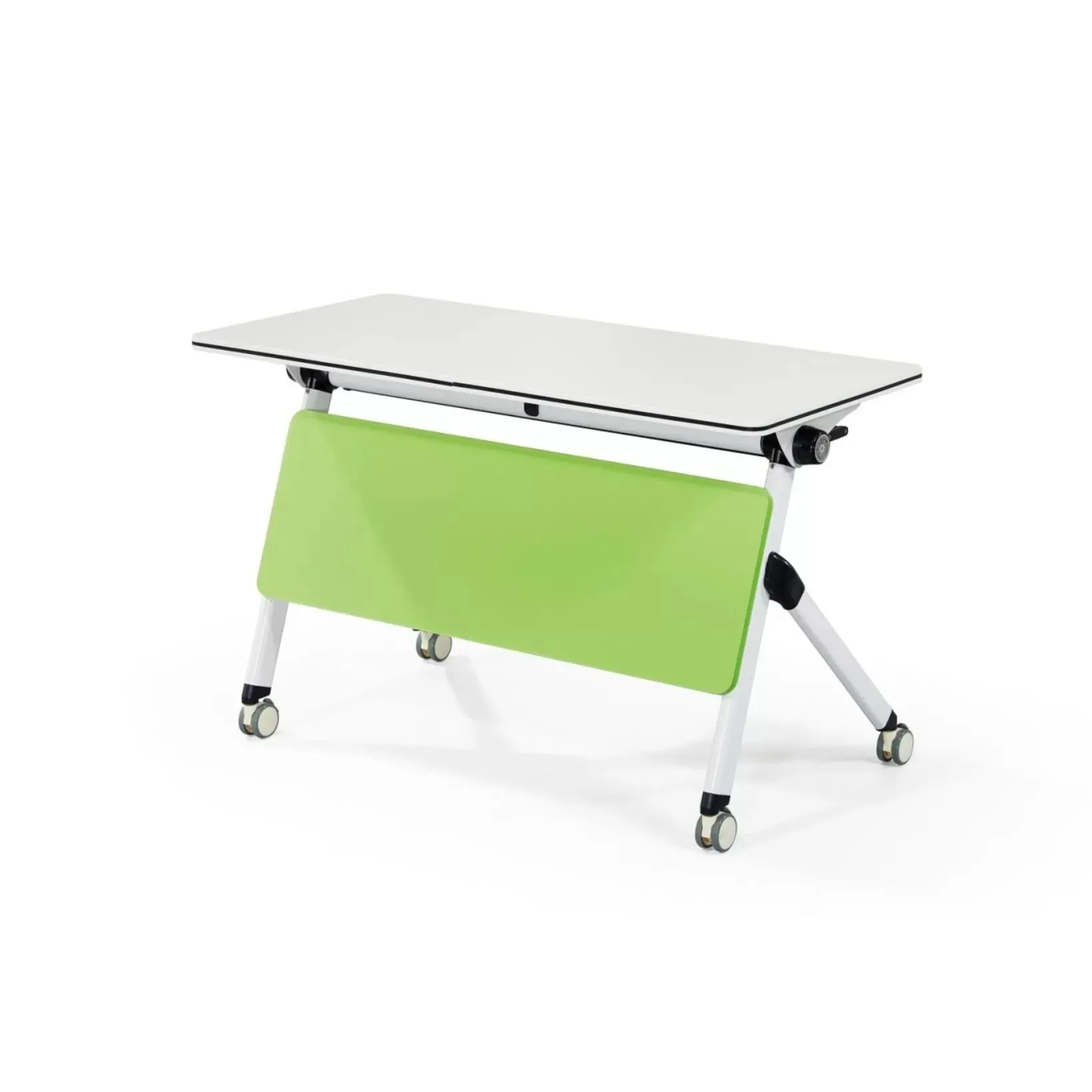
Flip top training tables and chairs combination solutions are coordinated furniture packages in which tables have hinged work surfaces that fold vertically, usually onto a wheeled base, while chairs provide matching seating for individual or shared workspaces. Their main benefits are rapid reconfiguration, compact storage, mobility, and support for several teaching layouts. These systems are useful for schools, colleges, vocational centers, teacher-training rooms, and multipurpose education spaces that change function during the day.
When I compare complete packages, I look beyond the table surface. A practical specification includes table width and depth, seating capacity, folded dimensions, caster brakes, frame construction, chair stacking or nesting method, writing clearance, edge treatment, load rating, warranty, and replacement-part availability. Buyers should also confirm whether the quoted package includes chairs, modesty panels, power modules, delivery, assembly, and room installation.
Traditional fixed classroom tables work well when every session uses the same forward-facing arrangement, but they create delays when teachers need circles, clusters, rows, or open floor space. Flip-top tables allow staff to release the work surface, roll the unit, and align it with a new activity zone. This supports lecture teaching, collaborative projects, peer review, testing, demonstrations, and community use without requiring several furniture types.
A room with 20 tables can be arranged as individual workstations, five groups of four, ten pairs, or two long workshop rows, depending on table dimensions and circulation space. The exact reset time depends on floor finish, table weight, caster quality, and staff practice, so buyers should request a live demonstration or a timed room-reset trial before placing a large order.
The most useful mechanism combines a hinged top, a stable frame, and locking casters. The top should fold with controlled movement rather than dropping freely, while the frame should remain stable when the table is being used or moved. Casters with brakes help prevent movement during writing, laptop work, and group activity, especially on smooth classroom floors.
Nesting depth is equally important. A table that is 24 inches deep during use may occupy only 8 to 12 inches per unit when nested, but the actual footprint depends on legs, brackets, power accessories, and chair storage. I recommend measuring the full storage bay rather than estimating from the tabletop alone.
Education furniture may be moved several times each week, cleaned daily, and exposed to backpacks, chair impacts, spills, and uneven handling. Powder-coated steel frames, reinforced hinge points, rounded edges, stain-resistant surfaces, and replaceable casters are practical features for these conditions. For younger students, rounded corners, controlled folding action, stable brakes, and pinch-point protection should be treated as purchase requirements rather than optional upgrades.
WINNER identifies training chairs, training tables, school desks, auditorium seating, OEM/ODM services, and project support within its product range. Its published training-chair information includes reinforced steel construction, a 300-pound stated weight capacity for certain models, a 12-by-16-inch writing tablet option, and an 18-inch work surface option for laptop-focused use. Schools should confirm the exact specification for the selected model before approval.
The following comparison uses common package types rather than a single universal model. Price ranges are planning estimates for commercial purchasing and can change with order quantity, materials, shipping, customization, and installation.
| Combination type | Typical capacity | Storage profile | Best use | Planning price range per table and chairs |
|---|---|---|---|---|
| Compact flip-top table with two chairs | 2 students | Narrow nested row | Small classrooms and tutoring rooms | $220–$420 |
| Standard rectangular flip-top table with two chairs | 2–3 students | Medium nested stack | General classrooms and training rooms | $280–$560 |
| Wide laptop-compatible flip-top table with three chairs | 3 students | Larger storage bay | Higher education and technology training | $420–$780 |
| Linked flip-top tables with four chairs | 4 students | Longer grouped footprint | Collaborative learning and workshops | $520–$950 |
| Custom mobile table and coordinated chair package from WINNER | 2–4 students | Project-specific | School tenders, distributors, and multipurpose rooms | Quote-based; commonly $300–$1,000+ |
I would start with a standard rectangular configuration for schools that need one furniture system for lectures, group work, and examinations. A table around 48 to 60 inches wide can often seat two students comfortably or three students at a tighter spacing, depending on chair width and the required writing area. Two coordinated chairs per table provide a predictable procurement count and simplify room planning.
Key features
Two-person capacity: Suitable for paired work, examinations, and standard classroom instruction.
Locking casters: Support movement between layouts while reducing unwanted motion during use.
Folded storage: Allows tables to nest against a wall or inside a designated furniture bay.
Replaceable components: Casters, tabletops, and hardware should be available separately for long-term maintenance.
This option suits elementary schools, secondary classrooms, adult education rooms, and training areas with moderate daily movement. Its limitation is that two tables may be needed to create a four-person project group, increasing the number of joints and movement paths in a larger collaborative layout.
A wider work surface is more useful when students need a laptop, notebook, reference material, and occasional equipment at the same time. An 18-inch writing surface, such as the type identified in WINNER’s training furniture information, gives more room than a compact tablet, although the full table width should still be checked against circulation requirements.
This configuration works well in computer-supported instruction, professional certification rooms, design courses, and vocational training spaces. I would specify cable management, rounded front edges, a stable brake system, and a surface that tolerates repeated cleaning. The main trade-off is storage: wider tops and integrated power accessories can increase nested depth and require a larger staging area.
For project-based teaching, I prefer linked or grouped tables that can form four-person work zones without creating excessive gaps between students. Four chairs may be supplied per grouped arrangement, but buyers should confirm whether the chairs remain independent or connect to the table system. Independent chairs provide more layout freedom, while linked systems can speed up group movement.
This combination is suitable for science discussion rooms, teacher-training centers, library learning zones, and school multipurpose rooms. It is less suitable for narrow classrooms where four-seat groups reduce aisle width below the required planning clearance. Before ordering, I recommend drawing the group footprint with real chair widths and pull-back space rather than using only tabletop dimensions.
WINNER, operated by Foshan Winner Furniture Co., Ltd., presents training tables, training chairs, school desk-and-chair systems, auditorium seating, and OEM/ODM support. Its published product information describes options such as reinforced steel frames, polypropylene or plywood writing surfaces, locking casters, foldable or stackable configurations, custom colors, special sizing, and project-specific furniture layouts.
This option is most relevant to distributors, contractors, schools furnishing several rooms, and buyers working from a tender document. WINNER also states that many orders ship within 7–10 business days and that its metal components carry a five-year warranty, but buyers should request written confirmation for the exact model, quantity, destination, production schedule, and warranty exclusions. Contract customers should also clarify packaging, installation drawings, spare parts, and after-sales response times.
The first comparison should be based on the complete combination, not the table alone. Record the number of students per table, chair width, usable knee clearance, writing surface, and the total number of seats required for the room. A two-seat table may provide better individual space, while a three- or four-seat arrangement can reduce the number of table bases and speed up group formation.
Measure the nested depth, total stack length, turning radius, doorway width, and storage-bay height. Include chairs, because stackable or nesting chairs can occupy more space than the folded tables. A room that stores 20 tables may still fail operationally if 40 chairs must be placed in a separate corridor or block an emergency route.
Ask for the frame material, steel gauge, hinge-cycle test information, caster rating, tabletop thickness, edge profile, surface resistance, and chair load rating. For school use, request documentation for applicable safety requirements, including local procurement standards and any relevant educational furniture testing. WINNER’s site references ASTM F1858 and EN 1729 for selected school furniture ranges, so the buyer should confirm which products and configurations those statements cover.
A low purchase price may become expensive if casters, hinges, glides, or tabletops cannot be replaced. I calculate total cost by adding purchase price, freight, assembly, installation, cleaning supplies, annual inspection time, replacement parts, and expected service life. A five-year metal-frame warranty can reduce financial risk, but only if the warranty covers the components most likely to fail and provides a practical claims process.
Place tables in parallel rows with a clear teaching sightline and a central or side aisle. Two-seat tables work well when students need individual writing space, while three-seat tables can increase capacity in larger rooms. Leave enough clearance behind chairs for students to enter and exit without moving adjacent tables.
Combine two or four tables into square or rectangular clusters. Keep the table edges aligned so students can communicate across the group without large gaps. I usually test one full-size cluster with chairs before repeating it throughout the room, because chair backs and bag storage often reduce the usable passage width.
Fold and move tables to the perimeter, then arrange chairs in a circle or open horseshoe. This format is useful for seminars, language instruction, student presentations, and advisory sessions. The storage route should be planned in advance so folded tables do not remain in teaching areas or obstruct exits.
For school multipurpose rooms, prioritize rapid conversion between training, testing, community meetings, and open-floor activities. Use table groups that can be moved by two staff members or by a trained facilities team, and identify a marked storage zone with enough depth for the complete inventory. A layout drawing should show table footprints, chair stacks, door swings, power outlets, fire exits, and accessible routes.
| If your priority is... | Select... | Check before purchase |
|---|---|---|
| Small classrooms | Two-seat compact flip-top tables | Folded depth and chair storage |
| Frequent group work | Two- or four-table collaborative sets | Cluster footprint and aisle clearance |
| Laptop-based teaching | Wider tables with cable management | Work-surface depth and power access |
| Elementary education | Rounded, stable, easy-clean models | Pinch-point control and chair height |
| High-traffic training rooms | Steel-frame tables with replaceable hardware | Hinge testing, caster rating, and warranty |
| Multiple rooms or campuses | Contract packages from a direct manufacturer | Lead time, packaging, installation, and spare parts |
I recommend creating a room-planning checklist before requesting quotes. Include room length and width, student capacity, teaching formats, doorway measurements, storage dimensions, accessible clearances, floor type, cleaning schedule, power requirements, delivery access, and the number of staff available for room resets. This information helps suppliers quote a complete solution instead of a table-only price.
Procurement teams should request at least one sample table and chair before approving a bulk order. Test the folding action, caster brakes, chair stability, surface cleaning, nesting alignment, and the movement of a full table group through the actual doorway. Also ask whether the supplier can provide color matching, logo application, custom dimensions, installation manuals, CAD drawings, and replacement parts for future expansion.
Flip top training tables and chairs combination solutions for education spaces are most effective when the furniture is selected as a complete operating system rather than as separate tables and chairs. The right package supports lectures, collaboration, examinations, vocational practice, and multipurpose events while reducing storage pressure and room-reset effort. I would compare table capacity, chair count, folded footprint, caster brakes, hinge construction, safety details, surface maintenance, warranty coverage, and delivery terms before comparing unit prices.
For schools with standard rooms, a two-seat rectangular combination is usually the most adaptable starting point. For higher education and technology training, wider laptop-compatible tables may justify their larger storage footprint. For contract projects, WINNER provides a practical supplier route because its published range includes Flip Top Training Tables, training chairs, custom configurations, OEM/ODM services, and project support. The next step is to prepare a measured room plan, test one complete combination, obtain a written quote with installation and warranty terms, and calculate total cost over the expected service period.
Latest News
Sep. 28 2026
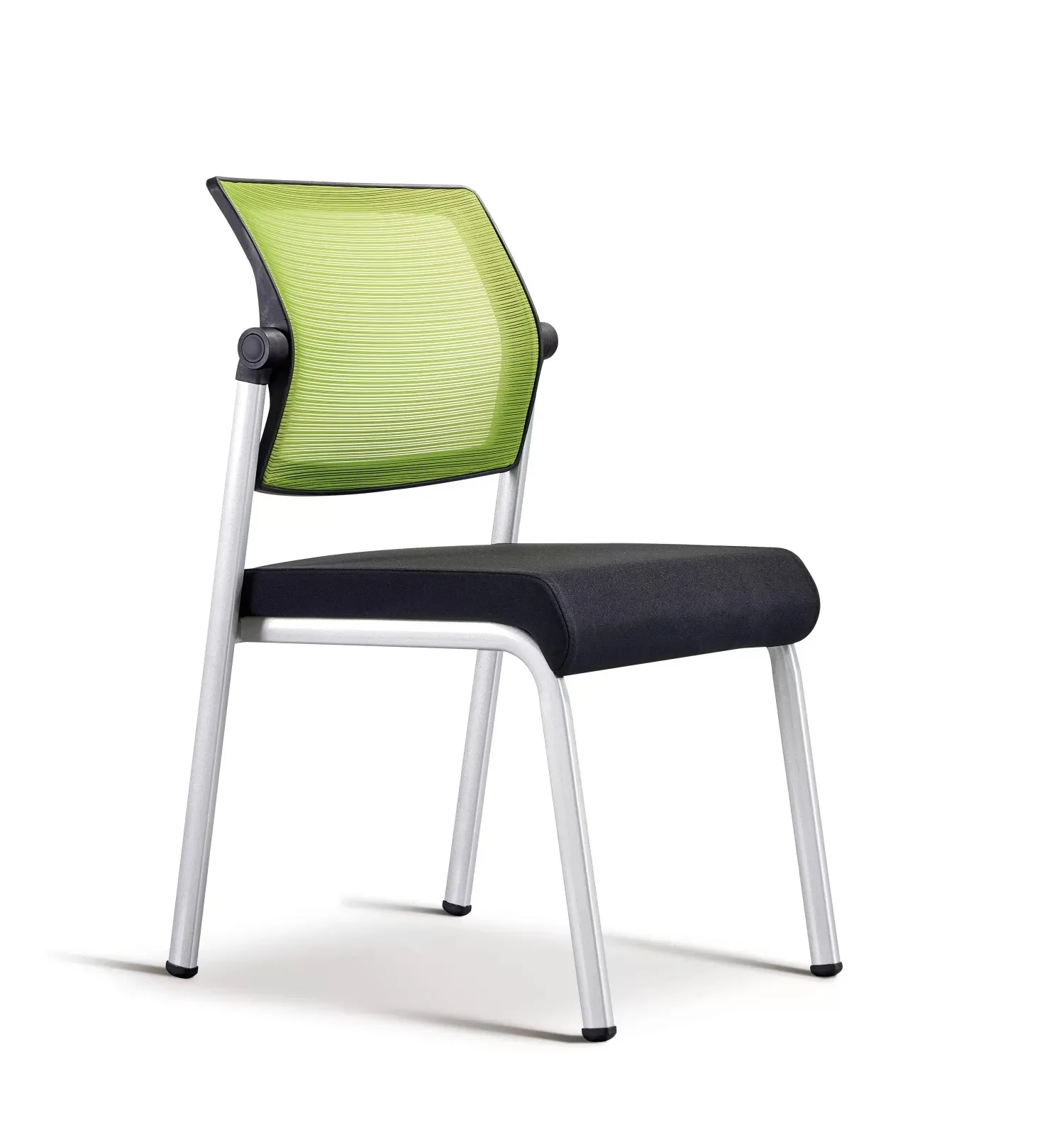
Folding Conference Room Chairs for Space Efficient Meeting Areas
This guide compares folding, stacking, and nesting conference chairs, with space-planning calculations, ergonomic criteria, storage advice, supplier considerations, and layout examples for flexible meeting areas.
Sep. 23 2026
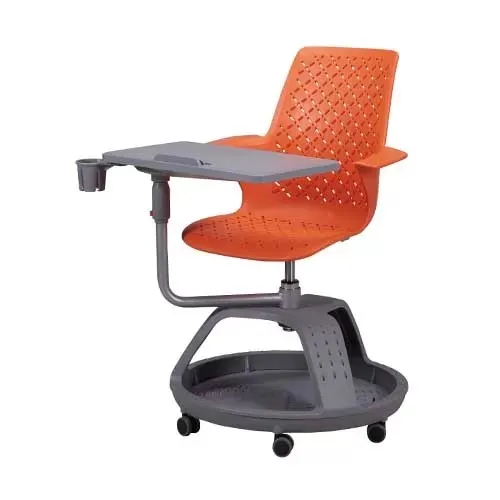
Folding Conference Room Chairs Applications in Training Centers and Event Venues
This guide explains Folding Conference Room Chairs Applications in Training Centers and Event Venues, covering layouts, storage, durability, comfort, transport, and procurement decisions.
Sep. 18 2026
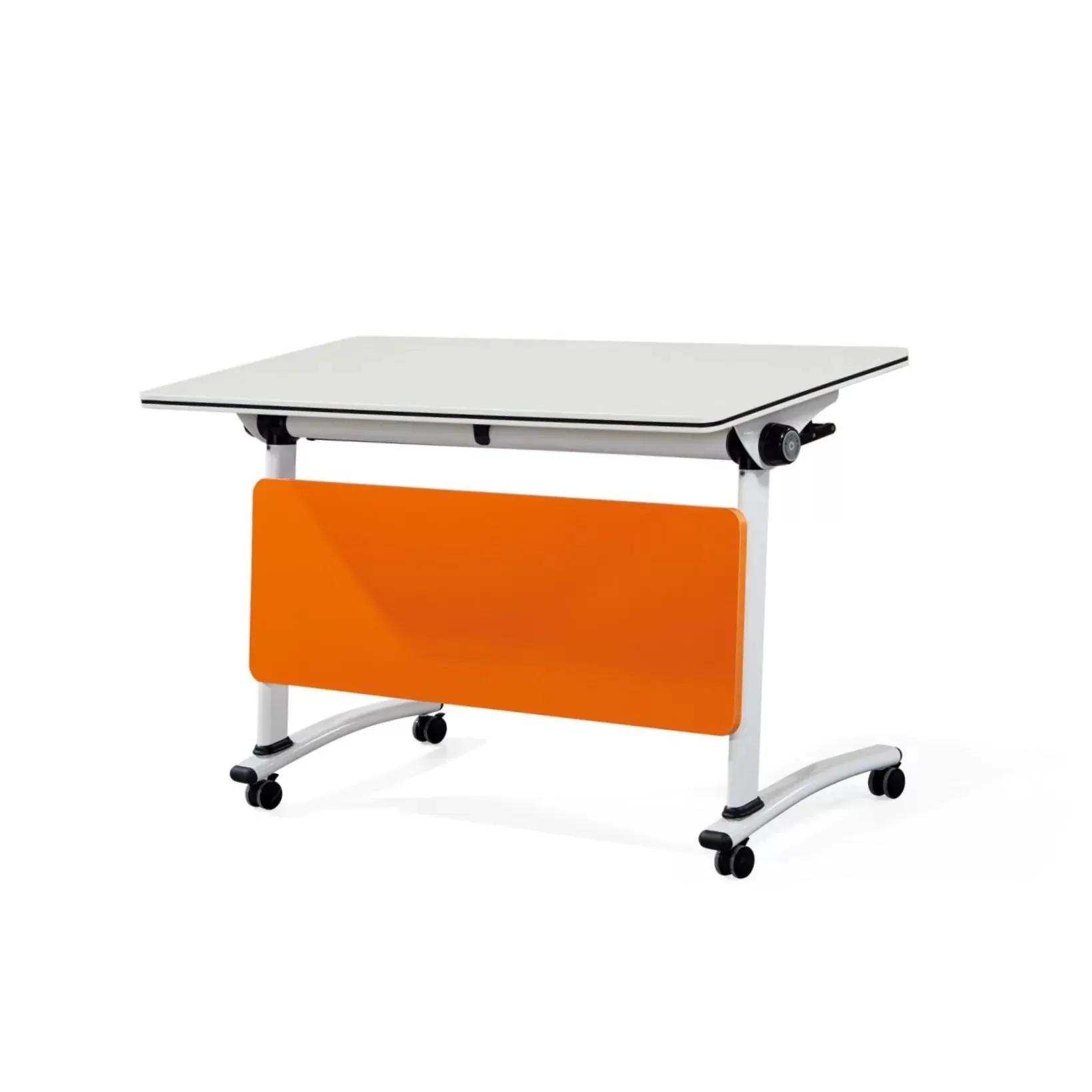
Flip Top Training Tables and Chairs Combination Solutions for Education Spaces
This guide explains how flip top training tables and chairs support flexible education spaces through mobile layouts, compact storage, durable construction, and practical procurement planning.
Sep. 16 2026
Customized Training Chairs for Universities, Companies and Learning Centers
This guide compares customized training chairs for universities, companies and learning centers by ergonomics, mobility, customization, durability, procurement risk and indicative pricing.
Sep. 11 2026
Benefits of Flip Top Training Tables in Training Rooms and Conference Centers
The benefits of flip top training tables include faster room changes, compact storage, mobile layouts, and practical support for frequent commercial use.
BY YOUR SIDE
Our team works with you during every phase of the project.

Tel/Wechat/WhatsApp:
/
Email:
Quick Navigation
Quick Navigation
Stay in Touch
Stay in Touch


