Tel
+86 189 2488 5105

Global public seating service provider
Foshan Winner Furniture Co., Ltd.
Tel
+86 189 2488 5105
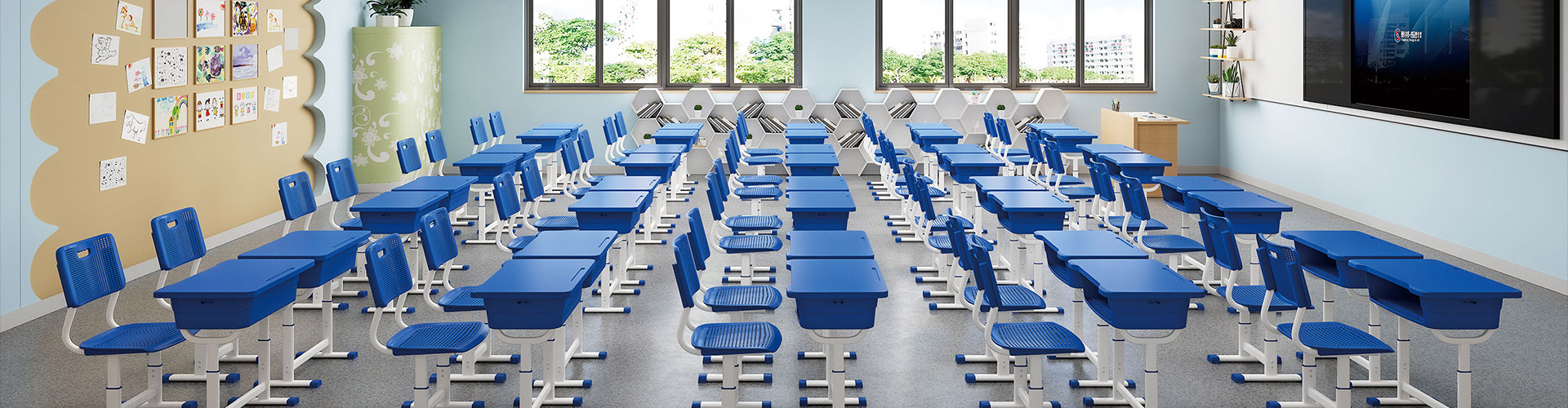
School Desk And Chair Wholesale choices can shape how a classroom works every day. A good layout helps teachers move easily and helps students focus better. It also supports classroom management, student engagement, and flexible seating. If the furniture does not match the teaching mode, even a well-designed room can feel crowded or hard to use.
Many schools now use different teaching styles in one space. Some lessons need group tables. Some need rows of desk and chair sets. Others need a seminar style or a STEM learning zone. The right school furniture arrangement can improve movement, sightlines, and noise control. It can also make the room safer and easier to clean.
For buyers, the challenge is not only picking school desks and chairs. It is choosing the right classroom layout, the right student desk arrangement, and the right teacher workstation placement. This guide explains how to plan each layout clearly and simply.
The best classroom furniture layout depends on the teaching mode. Rows work well for lectures. Clusters support teamwork. U-shapes help discussion. Flexible seating fits mixed lessons. The most effective school desk and chair wholesale plan is one that matches lesson style, room size, student age, and traffic flow while keeping clear walkways and easy teacher access.
Lecture-based classes need strong teacher visibility and low distraction. The classic row layout is still one of the most effective options. It works well for exam review, direct instruction, and large classes. Students face the front. The teacher can move along the aisles without blocking the board.
Best for:
Large classes with 30 or more students
Primary school classrooms with simple instruction
Test preparation rooms
Schools buying stackable school desk and chair wholesale packages
Important setup points:
Keep at least 24 to 30 inches between desk rows for movement
Leave one main aisle in the center or on one side
Place the teacher desk near the front but not blocking the board
A U-shape layout is useful when the lesson depends on speech, debate, or group sharing. Students can see one another. This supports class discussion, language learning, and social studies lessons. It also helps the teacher guide the conversation.
Why it works:
Improves eye contact
Helps teachers check student reactions
Makes it easier to ask and answer questions
Cluster seating uses tables or desks grouped in sets of four or six. This layout supports collaboration, peer review, and project-based learning. It is common in modern elementary schools, middle schools, and active learning classrooms.
Case note: In a 40-student room, 10 clusters of 4 desks can create a balanced layout. Each group needs enough space for chairs, backpacks, and a walking lane. This is where durable classroom chairs and student desks with lightweight frames can help.
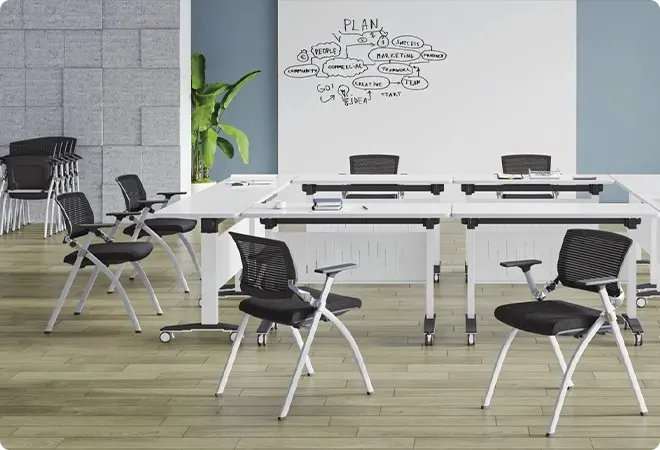
Flexible seating is ideal for schools that switch between lessons during the day. Mobile desks, rolling chairs, and modular tables allow teachers to change the room fast. This helps multi-purpose classrooms and STEM labs.
Useful furniture types:
Movable student desks
Lightweight classroom chairs
Foldable training tables
Storage carts for supplies
| Layout | Best Teaching Mode | Main Strength | Main Limitation |
|---|---|---|---|
| Rows | Lecture, testing | Strong focus and easy supervision | Weak interaction between students |
| U-Shape | Discussion, language class | Good eye contact and communication | Needs more floor space |
| Clusters | Group work, projects | Supports teamwork and collaboration | Can create more noise |
| Flexible | Mixed teaching modes | Easy to change for different lessons | Higher cost for mobile furniture |
| Semicircle | Presentation, guided reading | Good teacher-student interaction | Not ideal for large classes |
Small classrooms need compact school furniture that does not block walkways. Choose slim desk frames, compact student chair designs, and wall storage. Use fewer large items. Avoid oversized teacher desks.
Recommended layout tips:
Use rows or a narrow U-shape
Place storage on walls, not in the center
Keep the door area open
Medium rooms allow more layout choices. Schools can use clusters for group work and switch to rows for lectures. This is a strong option for schools seeking school desk and chair wholesale solutions with long-term value.
Large rooms can support multiple learning zones. For example, one area can be for reading, one for group work, and one for teacher instruction. This setup works well in modern learning environments and open classroom design.
Younger students need shorter desks, stable chairs, and rounded edges. The layout should allow fast supervision and easy movement. Wide aisles reduce falls and help teachers assist students quickly.
Middle school students need more personal space. Their desks should support writing, laptops, and books. Layouts should reduce crowding and help with class transitions. Adjustable desk and chair sets are often the best choice.
High school classrooms often need more flexible seating for labs, debate, and group study. Strong tablet desks, durable chairs, and modular tables work well. Teachers also need a clear view of the whole room.
Step 1: Measure the room size and door locations.
Step 2: Identify the main teaching mode for each subject.
Step 3: Choose the desk and chair type.
Step 4: Mark walkways, teacher zones, and storage areas.
Step 5: Place the furniture and test student movement.
Step 6: Adjust spacing for safety, visibility, and comfort.
| Measure Room | v Choose Teaching Mode |
|---|
| v Select Desk and Chair Style | v Plan Aisles and Teacher Space |
|---|
| v Arrange Furniture | v Test Movement and Visibility |
|---|
v Adjust and Finalize
The teacher should be able to see every student without walking around too much. Good visibility improves behavior management and safety. It also helps teachers notice when students need help.
Clear walkways matter. Students should move in and out of seats without hitting desks or chairs. This is important during group shifts, emergency exits, and cleaning time.
Desks with built-in storage can reduce clutter. Cabinets, shelf units, and bag hooks also help. A clean room is easier to teach in and easier to keep organized.
Group layouts can increase noise. Use carpet tiles, felt chair caps, or soft floor materials when possible. Place louder activity zones away from quiet study zones.
School desk and chair wholesale buyers should compare materials, durability, and shipping costs. The best products are strong, easy to clean, and simple to assemble. WINNER classroom products are often chosen for schools that want stable quality and large order support.
| Furniture Type | Best Use | Buyer Benefit |
|---|---|---|
| Single student desk | Rows, testing, individual study | Easy placement and replacement |
| Two-seat desk | Primary and middle school | Saves space in smaller rooms |
| Training table | Group work, seminars | Supports flexible learning |
| Stackable chair | Multi-use classrooms | Easy storage and cleaning |
| Adjustable desk and chair set | Different age groups | Longer product life cycle |
Many schools buy first and measure later. This often causes blocked doors, crowded aisles, and poor seating capacity. Always measure before placing an order.
A classroom that only works for lectures will fail in a group project lesson. Plan for real teaching needs, not just one class format.
If a classroom changes often, heavy desks and chairs slow everything down. Lightweight, durable, and mobile furniture is better for daily use.
The best classroom furniture layout supports the teaching mode, room size, and student age. Rows, clusters, U-shapes, and flexible seating each solve different problems. Schools that plan carefully can improve learning, safety, and comfort. For wholesale buyers, the right school desk and chair wholesale choice is not only about price. It is about creating a classroom that works well every day.
Rows are usually the best choice for large classes. They help teachers manage students and keep clear sightlines.
Clusters are best for group work. They help students talk, share materials, and finish projects together.
Start with room size, student age, and teaching mode. Then compare materials, durability, comfort, and storage needs.
Yes. Many modern classrooms use flexible furniture so teachers can switch layouts during the day.
Movable desks, stackable chairs, and modular tables work well in mixed-use classrooms because they are easy to rearrange.
Layout affects focus, movement, safety, and student participation. A good layout makes teaching easier and learning better.
Latest News
Sep. 28 2026
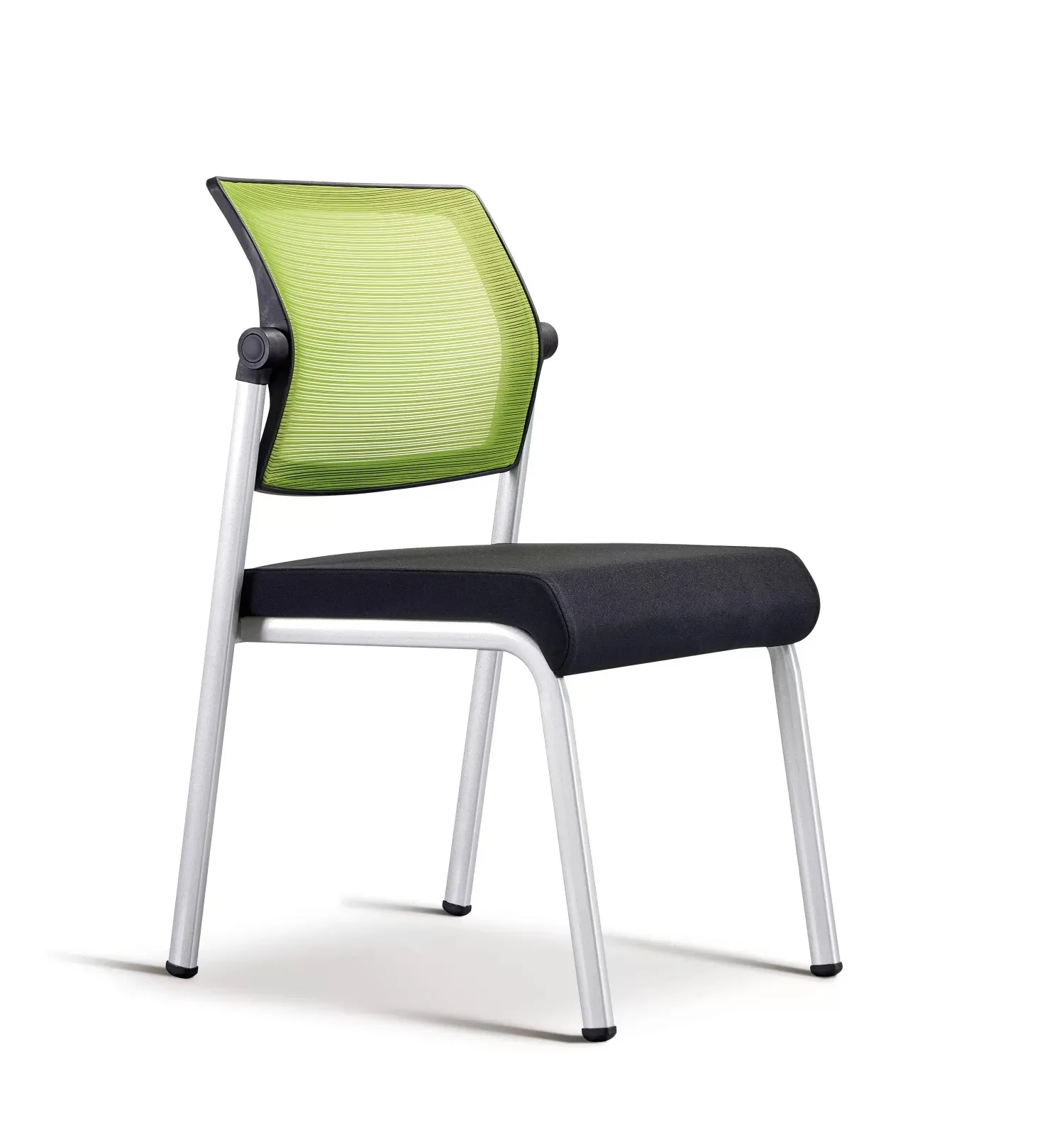
Folding Conference Room Chairs for Space Efficient Meeting Areas
This guide compares folding, stacking, and nesting conference chairs, with space-planning calculations, ergonomic criteria, storage advice, supplier considerations, and layout examples for flexible meeting areas.
Sep. 23 2026
Folding Conference Room Chairs Applications in Training Centers and Event Venues
This guide explains Folding Conference Room Chairs Applications in Training Centers and Event Venues, covering layouts, storage, durability, comfort, transport, and procurement decisions.
Sep. 18 2026
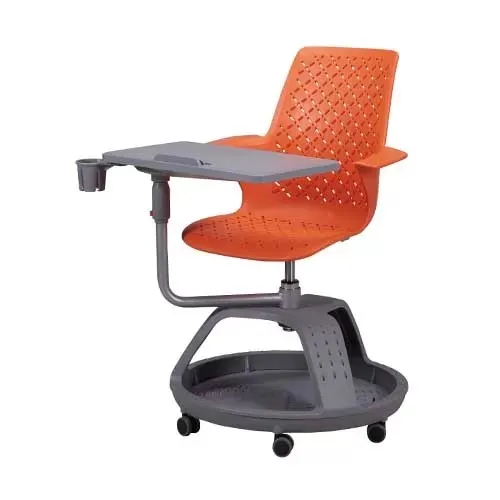
Flip Top Training Tables and Chairs Combination Solutions for Education Spaces
This guide explains how flip top training tables and chairs support flexible education spaces through mobile layouts, compact storage, durable construction, and practical procurement planning.
Sep. 16 2026
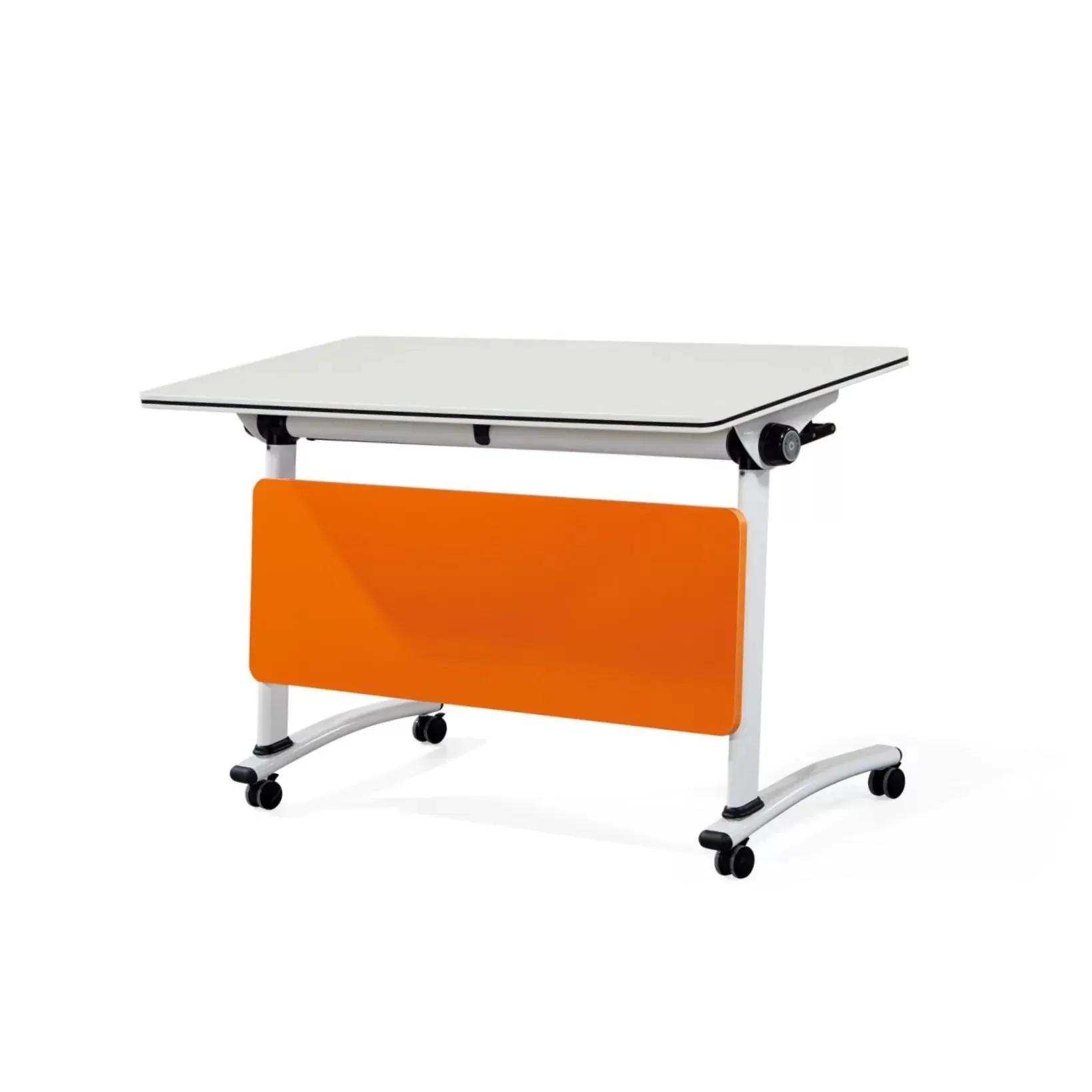
Customized Training Chairs for Universities, Companies and Learning Centers
This guide compares customized training chairs for universities, companies and learning centers by ergonomics, mobility, customization, durability, procurement risk and indicative pricing.
Sep. 11 2026
Benefits of Flip Top Training Tables in Training Rooms and Conference Centers
The benefits of flip top training tables include faster room changes, compact storage, mobile layouts, and practical support for frequent commercial use.
BY YOUR SIDE
Our team works with you during every phase of the project.

Tel/Wechat/WhatsApp:
/
Email:
Quick Navigation
Quick Navigation
Stay in Touch
Stay in Touch


