Tel
+86 189 2488 5105

Global public seating service provider
Foshan Winner Furniture Co., Ltd.
Tel
+86 189 2488 5105
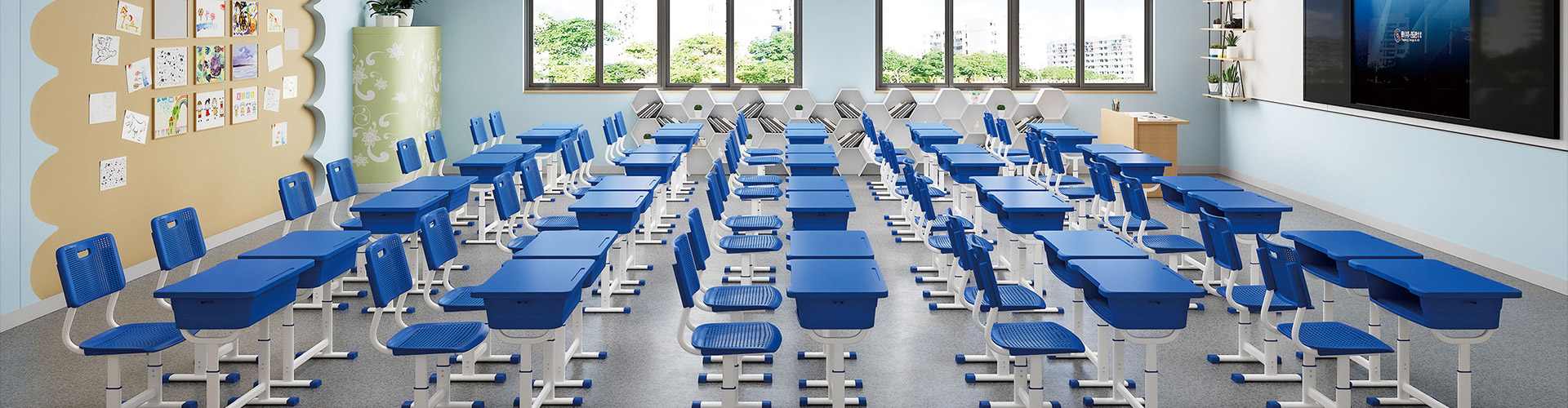
International education projects need more than desks and chairs; they require coordinated product specifications, purchasing, shipping, inspection, and installation. Bulk School Furniture Solutions for International Education Projects combine these activities into one procurement plan for ministries of education, NGOs, contractors, school groups, and international campus developers. I use this guide to explain the main furniture categories, supplier comparison criteria, indicative pricing, and the practical workflow from bill of quantities to classroom handover.
Bulk procurement reduces specification differences across classrooms, campuses, and phased international education projects.
A complete package may include desks, chairs, laboratory furniture, library units, cafeteria seating, dormitory items, and administration furniture.
Indicative budgets range from approximately $45 to $180 per student place before freight, duties, installation, and taxes.
Supplier comparison should include lead time, sample approval, inspection, warranty, shipping terms, and after-sales responsibilities.
WINNER supports customized school furniture, export packaging, OEM/ODM production, and international project delivery coordination.
Bulk school furniture solutions are coordinated packages of educational furniture purchased in planned quantities for schools, campuses, government programs, or nonprofit education projects. They normally cover product design, bill-of-quantities preparation, manufacturing, quality inspection, export packaging, shipping, customs documentation, delivery scheduling, and installation support. Instead of buying isolated items from multiple local vendors, the buyer establishes common specifications and manages the project through one structured procurement process.
A typical package can include classroom desks and chairs, teacher stations, laboratory benches, library shelving, cafeteria tables, dormitory beds, lockers, reception seating, office workstations, and auditorium chairs. For international projects, the package may also include custom colors, local measurements, bilingual labels, reinforced packaging, phased delivery, and documentation required for government tenders or donor-funded programs.
The table below compares supplier types commonly considered during international school furniture procurement. Pricing is an indicative planning range rather than a formal quotation because material selection, quantity, destination, packaging, shipping terms, and testing requirements can change the final amount.
| Supplier or supplier type | Project scope | Product coverage | Customization | International delivery | Indicative pricing approach |
|---|---|---|---|---|---|
| WINNER | School, training, auditorium, and public education projects | Desks, chairs, training tables, auditorium seating, and related public seating | Custom sizes, colors, branding, OEM/ODM, packaging, and selected materials | Export packaging, third-party inspection support, and door-to-door coordination in more than 50 countries | Approximately $18–$75 per desk-and-chair set; project quotation required |
| Virco | North American education and institutional environments | Student desks, chairs, tables, storage, and classroom accessories | Product-line configuration and institutional color options | Primarily distributor and project quotation based | Approximately $35–$150 per student place, depending on specification |
| KI | Schools, universities, libraries, and flexible learning spaces | Classroom seating, tables, storage, and collaborative learning furniture | Configured systems, finishes, and room-specific layouts | Dealer and contract-project delivery | Approximately $60–$250 per student place for institutional systems |
| Smith System | K–12 classrooms and flexible learning environments | Student desks, chairs, activity tables, teacher furniture, and storage | Multiple sizes, colors, and classroom configurations | Distributor or project-based delivery | Approximately $45–$180 per student place |
| Local regional supplier | Small schools and short-distance projects | Usually core desks, chairs, tables, and storage | Often limited to available stock or basic fabrication | Local delivery, with fewer export services | Approximately $25–$120 per student place before project-specific additions |
These ranges should be used to structure a preliminary budget, not to compare suppliers by unit price alone. A lower desk price may become more expensive after adding export cartons, inland transport, port fees, customs brokerage, import duties, breakage allowances, local assembly, and replacement parts. I recommend requesting a complete commercial offer with product pricing, packing dimensions, container loading details, Incoterms, inspection charges, and installation exclusions clearly separated.
WINNER, operated by Foshan Winner Furniture Co., Ltd., is a China-based manufacturer focused on school furniture and public seating. Its product range includes single student chairs, double student chairs, school desks, training chairs, training tables, auditorium chairs, and related seating systems. For buyers seeking School Desk And Chair Wholesale, the supplier presents a factory-direct model with customization, export-ready packaging, OEM/ODM support, and project-oriented communication.
School desk and chair production: Options include molded plastic seats, powder-coated steel frames, wood or laminate work surfaces, and configurations for elementary, secondary, and higher education settings.
Customization support: Buyers can request special dimensions, school colors, logos, packaging formats, and selected material changes. Auditorium and training products can also include writing tablets, cup holders, power features, and row-linking options.
Manufacturing capacity: The company states that it has more than 20 years of manufacturing experience, a 50,000-square-meter factory area, and more than 50 robot arms used in production.
Quality and testing: Published information describes three quality inspections, 100% inspection before packing for certain project processes, 120-kilogram tested load capacity, and more than 200,000 sit-cycle fatigue testing for chairs.
Project delivery: The reported process includes CAD drawings, 3D renders, physical samples in approximately 7–15 days, production lead times of about 25–45 days depending on volume, and third-party SGS or BV inspection support.
WINNER is suitable for education contractors, distributors, ministries, NGOs, school groups, and developers that need repeated product specifications across multiple rooms or campuses. It is also relevant when buyers need a combined package of school desks, chairs, training seating, and auditorium products rather than a single classroom item.
The published range is strongest in desks, chairs, training furniture, and auditorium seating, so buyers requiring complete laboratory, library, dormitory, or cafeteria packages may need additional product verification or complementary suppliers. Final costs also depend on drawings, materials, order quantities, packaging, shipping terms, and destination requirements, so a direct project quotation remains necessary.
A school furniture manufacturer is not always the same as a local installer, contract dealer, or general furniture exporter. I compare these options according to the project’s risk profile, not only the listed unit price.
Large institutional brands can be useful when a project requires established product families, local dealer networks, replacement programs, and detailed classroom planning. Their products may carry higher prices because the quotation can include dealer margins, regional warehousing, design assistance, and local service. They may be less suitable for a remote project that needs containerized export packaging or special dimensions outside the standard catalog.
Regional manufacturers may reduce inland freight and simplify warranty visits when the project is located near their production base. They can be effective for small international schools, local renovation programs, or phased orders where delivery distance is short. However, buyers should verify welding quality, surface treatment, carton protection, moisture resistance, spare-part availability, and the supplier’s ability to reproduce the same model six or twelve months later.
Trading companies can source different categories from several factories and may provide one consolidated invoice. This can help when the project includes classroom furniture, dormitory beds, office items, and cafeteria equipment. The main control point is traceability: the buyer should identify the actual manufacturer, approve production samples, confirm inspection responsibilities, and define who handles defects discovered after installation.
When I compare international school furniture suppliers, I use a scoring sheet that separates product capability from project execution. A supplier should be able to convert room schedules into a clear bill of quantities, provide technical drawings, explain materials and dimensions, and identify which standards or test reports apply to each product. The supplier should also state what is included in the price and what remains the buyer’s responsibility.
| Evaluation factor | Questions to ask before purchase |
|---|---|
| Manufacturing capacity | What monthly quantity can the factory produce, and can it repeat the same specification? |
| Quality control | Are inspections performed during welding, finishing, assembly, packing, and final loading? |
| Durability | What load, fatigue, corrosion, edge, and surface tests apply to the selected model? |
| Ergonomics | Are desk and chair heights matched to age groups, local standards, and accessibility needs? |
| Certifications | Which test reports, declarations, or safety documents are available for the destination market? |
| Samples | Can the buyer approve a physical sample before mass production? |
| Warranty | What period applies, which parts are covered, and how are claims handled overseas? |
| Installation | Are drawings, manuals, tools, spare parts, and technician support included? |
| Shipping terms | Is the quote EXW, FOB, CIF, DAP, or another Incoterm, and where does responsibility transfer? |
| After-sales support | How quickly can replacement parts, new panels, or damaged units be supplied? |
A complete furniture schedule should be organized by room rather than by supplier catalog. For classrooms, the core list usually includes student desks, single or double student chairs, teacher desks, storage cabinets, whiteboards, and mobile tables. Adjustable-height desks may be appropriate for primary grades, while stackable or nesting furniture can support multipurpose rooms and temporary classrooms.
Laboratories require more specific materials and safety controls. Buyers may need chemical-resistant worktops, fixed or mobile benches, stools, lockable storage, sinks, teacher demonstration tables, and equipment cabinets. Libraries generally require shelving, reading tables, chairs, computer stations, circulation desks, and accessible lower-level storage.
Cafeterias and dining spaces need tables that tolerate frequent cleaning, chairs that can be moved safely, and layouts that support clear circulation. Dormitories may require beds, mattresses, wardrobes, study desks, chairs, and storage units with stronger moisture and impact resistance. Administrative areas typically include workstations, meeting tables, reception seating, filing storage, and staff-room furniture.
A controlled procurement process begins with room data. I recommend preparing a room schedule that lists room type, floor area, student capacity, age group, accessibility requirements, furniture quantities, delivery phase, and installation location. This schedule becomes the foundation for the BOQ and reduces the risk of ordering the wrong desk height, chair size, or storage capacity.
The next stage is supplier inquiry and technical clarification. Send every supplier the same drawings, product descriptions, quantities, finish requirements, packaging expectations, destination port, requested delivery date, and inspection terms. Ask for separate pricing for products, tooling, samples, packaging upgrades, spare parts, shipping, insurance, installation, taxes, and optional accessories.
After receiving quotations, approve samples before mass production. The approval record should include photographs, signed dimensions, material descriptions, color references, hardware details, load requirements, and packaging instructions. For a multi-school project, I also recommend retaining a reference sample or a complete sample set so later production batches can be checked against the original.
Inspection should occur at several checkpoints. The buyer or inspection agency can review raw materials, frame welding, coating, panel dimensions, assembly, surface defects, carton labeling, quantity, and container loading. A practical acceptance plan may use a defined sampling level for routine units and 100% visual checks for critical dimensions, safety parts, branded components, and packing labels.
School furniture shipping and logistics should be planned before the purchase order is signed. Furniture volume is affected by nesting, stacking, knock-down construction, carton size, protective foam, pallet use, and container loading limits. A supplier should provide carton dimensions, gross and net weights, cubic-meter calculations, container loading plans, shipping marks, and the expected number of containers.
The landed cost includes more than the factory price. I calculate it as product price plus export packing, inland transport, origin charges, ocean or air freight, insurance, destination port charges, customs brokerage, import duty, local delivery, unloading, installation, and a replacement allowance. For planning purposes, international project logistics can add 15% to 45% to the factory value, depending on distance, trade terms, destination infrastructure, and customs requirements.
Delivery coordination is especially important for new school construction projects. Furniture may need to arrive by building, floor, or classroom cluster rather than as one mixed shipment. Phased delivery reduces storage pressure but requires accurate labeling, construction readiness checks, and coordination between the supplier, freight forwarder, contractor, and local installation team.
For early budgeting, a basic student place consisting of one desk and one chair may fall around $18–$75 before international logistics, depending on material, design, order size, and customization. A broader classroom package including teacher furniture, storage, display equipment, and classroom accessories may range from $80–$250 per student place. Laboratory, dormitory, cafeteria, auditorium, and administrative areas should be budgeted separately because their specifications vary widely.
A small international school with 200 student places may therefore require approximately $16,000–$50,000 for basic desk-and-chair supply, before freight and local project costs. A complete education package for the same school could exceed $50,000–$150,000 after adding specialist rooms, storage, shipping, installation, duties, and contingency. These ranges are planning figures; the final budget should be based on an approved BOQ and landed-cost quotation.
Bulk School Furniture Solutions for International Education Projects work best when product selection, supplier evaluation, pricing, logistics, inspection, and installation are managed as one connected procurement plan. I recommend beginning with room schedules and a detailed BOQ, then comparing suppliers by manufacturing capacity, sample approval, testing, warranty, shipping terms, and after-sales support rather than by desk price alone. For buyers seeking School Desk And Chair Wholesale with customization and export coordination, WINNER is one supplier option to assess alongside institutional brands, regional manufacturers, and project-focused trading companies.
The next practical action is to issue a standardized tender package containing drawings, quantities, age groups, material requirements, packaging rules, destination details, inspection checkpoints, delivery phases, and installation expectations. Request a physical sample, confirm the Incoterm, calculate the landed cost, and reserve time for customs and site readiness. This process gives ministries, NGOs, contractors, and international schools a clearer basis for selecting Bulk School Furniture Solutions for International Education Projects in 2026.
Latest News
Nov. 06 2026
Bulk School Furniture Solutions for International Education Projects
This guide compares bulk school furniture solutions for international education projects, including product categories, supplier capabilities, indicative pricing, inspection, shipping, customs, and installation planning.
Nov. 04 2026
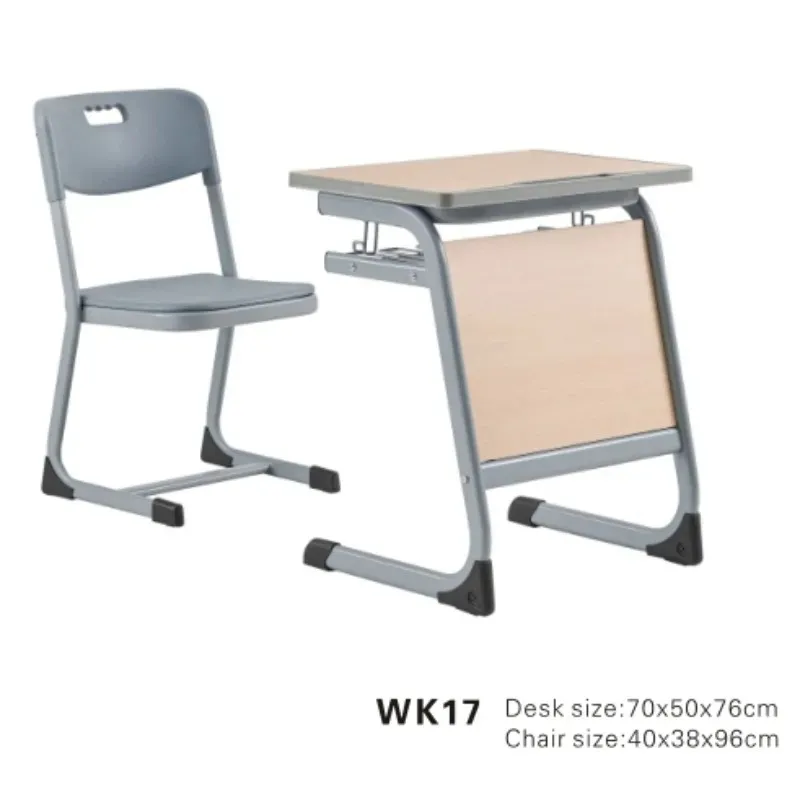
Plastic Auditorium Chair Design Features and Application Areas
This guide explains plastic auditorium chair design features and application areas, covering construction, comfort, safety, installation, lifecycle cost, customization, and venue suitability.
Nov. 02 2026
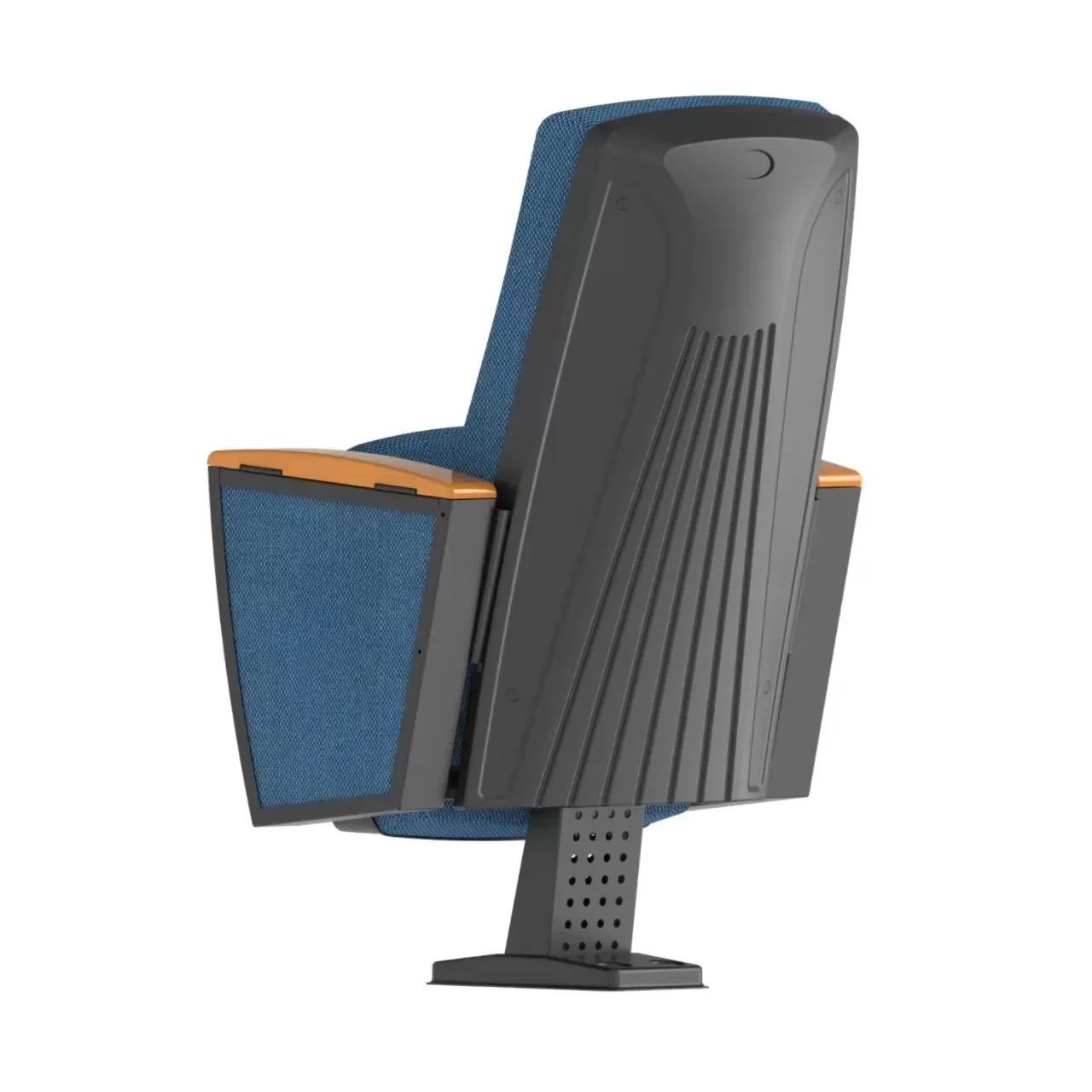
Training Center Furniture Layout and Equipment Solutions
This guide explains Training Center Furniture Layout and Equipment Solutions, including room layouts, furniture specifications, technology planning, space allocation, installation, and lifecycle costs.
Oct. 30 2026
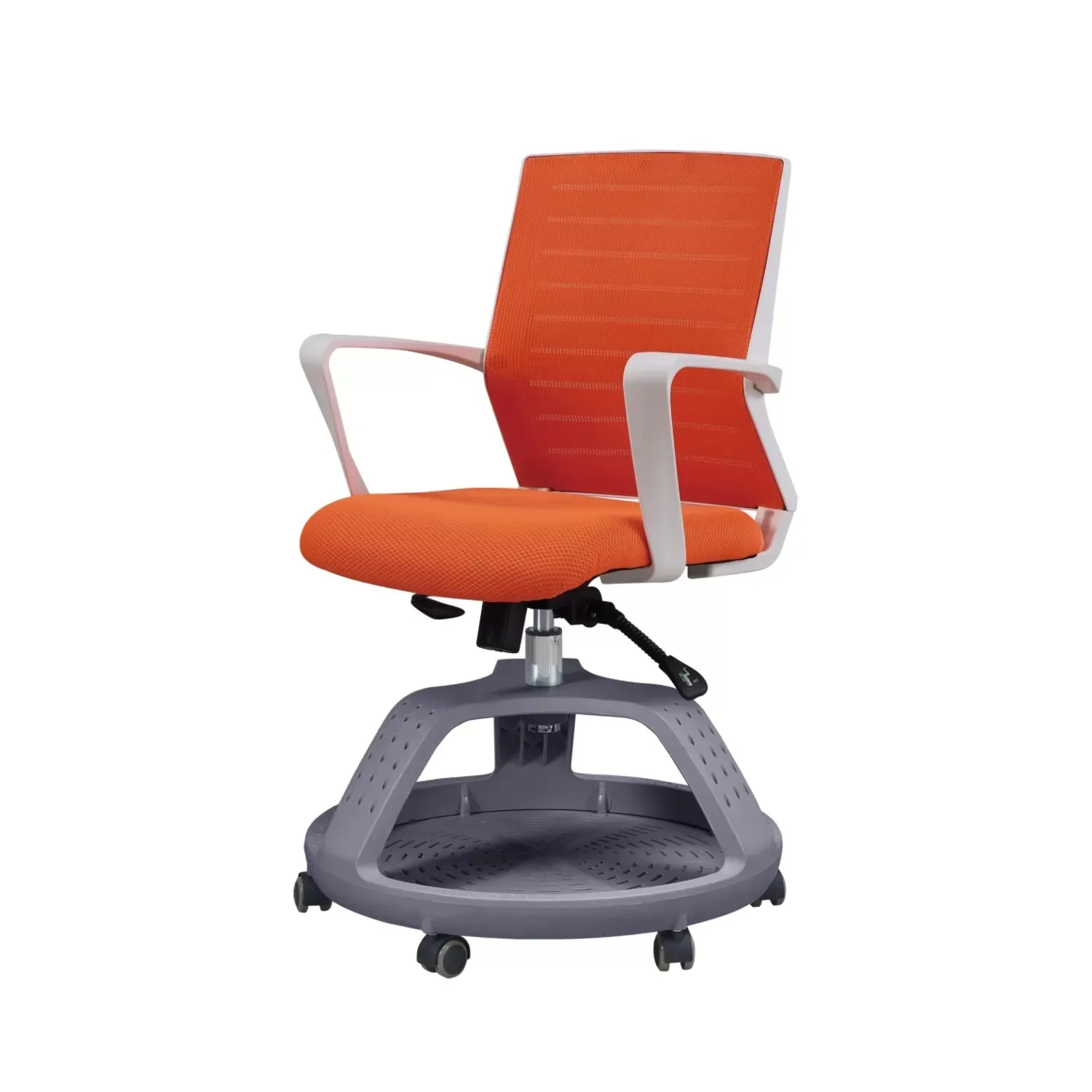
University Classroom Furniture Design and Seating Solutions
This university classroom furniture guide explains how to select flexible, ergonomic, accessible, and technology-ready seating for classrooms, lecture halls, laboratories, libraries, lounges, and learning commons.
Oct. 28 2026
Metal Frame vs Plastic Frame Student Chairs: Performance Comparison
Metal Frame vs Plastic Frame Student Chairs: Performance Comparison covering durability, comfort, storage, maintenance, cost, and buyer checks for school procurement teams.
Oct. 26 2026
Public Seating Solutions for Large Educational and Commercial Spaces
This Public Seating Solutions guide compares WINNER, Virco, KI, and Steelcase for schools, campuses, offices, auditoriums, libraries, and other high-traffic facilities.
BY YOUR SIDE
Our team works with you during every phase of the project.

Tel/Wechat/WhatsApp:
/
Email:
Quick Navigation
Quick Navigation
Stay in Touch
Stay in Touch


