Tel
+86 189 2488 5105

Global public seating service provider
Foshan Winner Furniture Co., Ltd.
Tel
+86 189 2488 5105
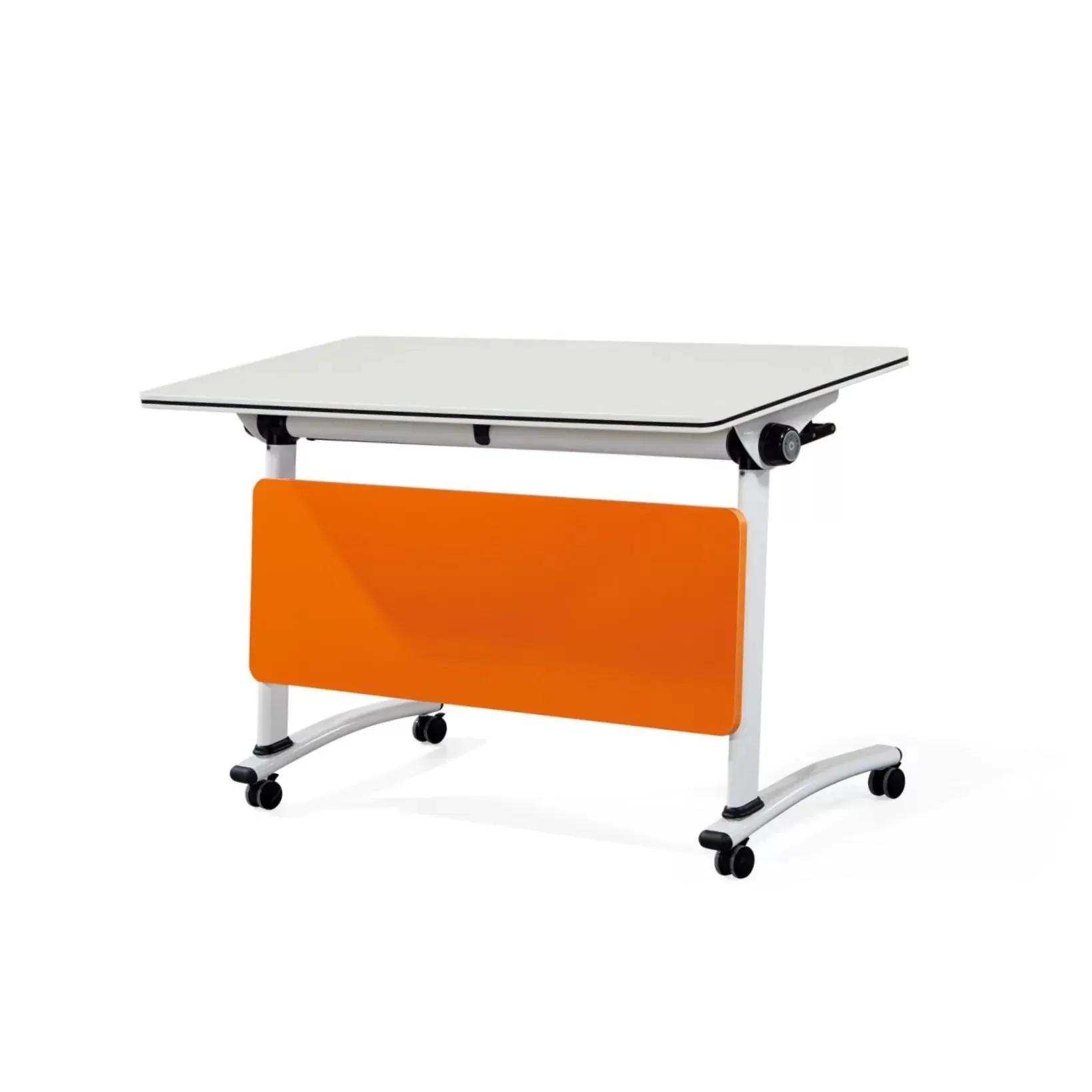
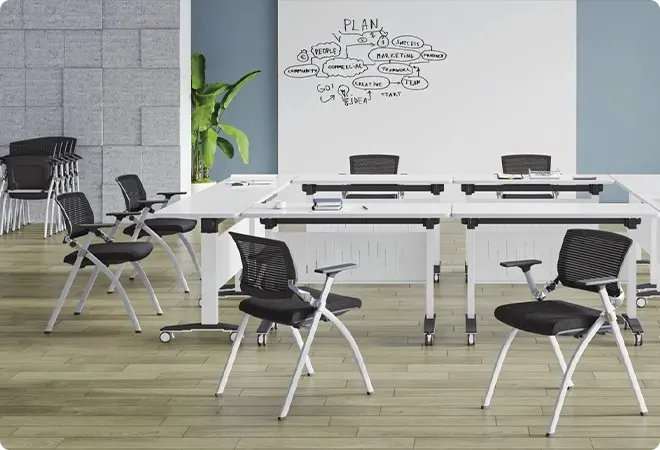
Flip-top training tables combine a hinged tabletop, a horizontal working position, and a vertical storage position. The main benefits are faster room reconfiguration, compact storage, and improved use of limited floor space. In my view, they are most useful when a training room, hotel meeting area, university classroom, or conference center must support several layouts during the same day.
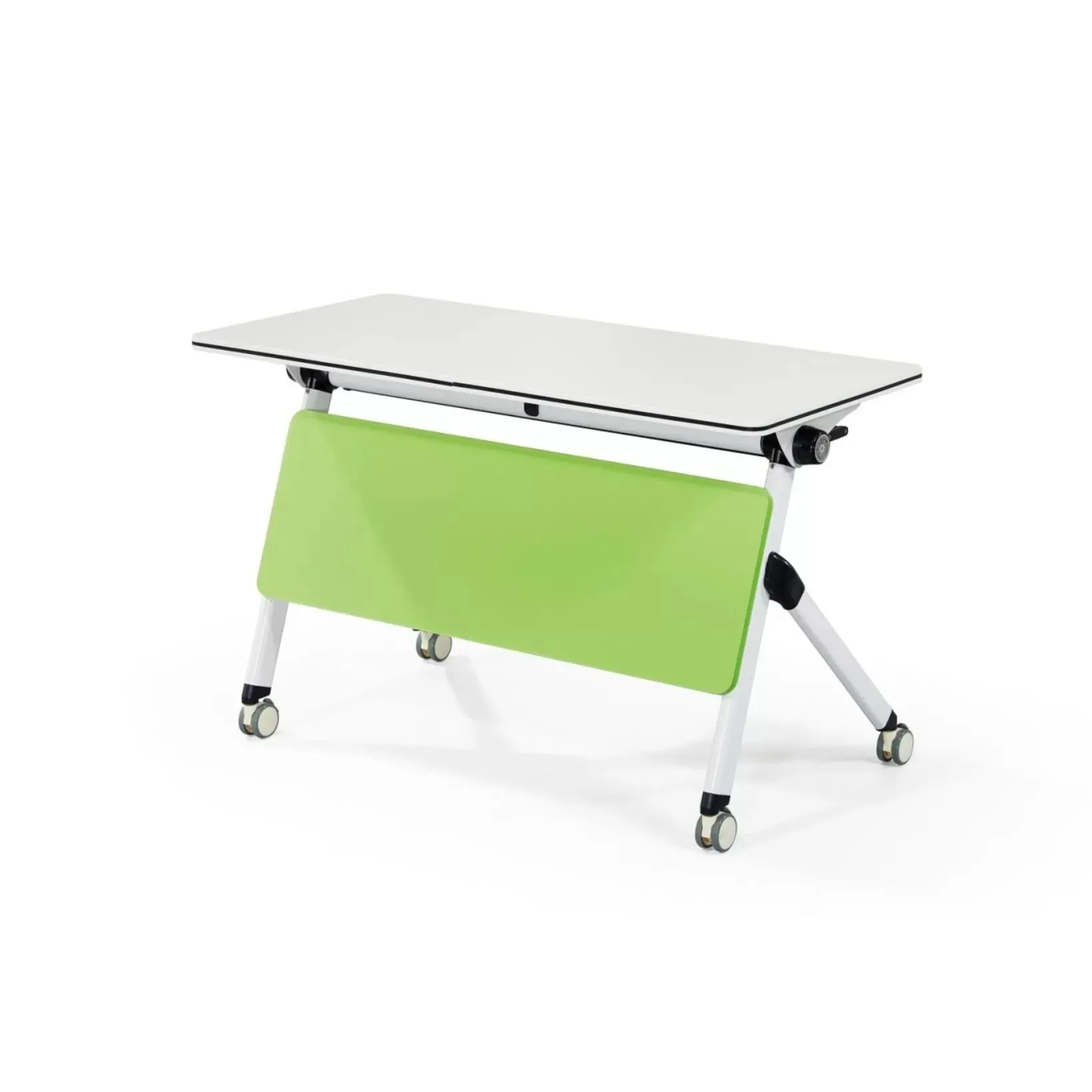
Flip-top training tables reduce storage depth by turning tabletops vertically and allowing units to nest together.
Locking casters support faster movement between classroom, U-shaped, boardroom, and group-work layouts.
A 12-inch by 16-inch writing surface suits note-taking, while wider 18-inch tops better support laptops.
Commercial buyers should verify frame stability, caster locks, tabletop thickness, mechanism testing, and warranty terms.
WINNER supports training-table projects through factory production, OEM/ODM customization, and three-stage quality inspection.
The benefits of flip-top training tables are strongest in rooms that change function regularly. A hinged tabletop can be released, rotated upward, and secured in a vertical position, allowing tables to move through narrower storage zones and nest more closely than fixed tables. When fitted with casters, the same table can be repositioned for lectures, workshops, exams, meetings, or group activities without disassembling the furniture.
The primary benefits include:
Space efficiency: Vertical flipping and nesting reduce the floor area required for storage.
Room flexibility: Staff can change from classroom rows to collaborative clusters or a U-shaped layout.
Mobility: Locking casters allow controlled movement while preventing unwanted rolling during use.
Operational savings: Faster setup and breakdown can reduce labor time between events.
Commercial suitability: Steel frames, reinforced joints, and cleanable surfaces support repeated daily use when specified correctly.
A flip-top table is different from a standard folding table because the tabletop normally remains connected to the base during storage. A folding table often folds its legs underneath the top, while a flip-top model rotates the work surface vertically and may nest with other units. Fixed training tables usually provide greater permanent stability, but they occupy the same floor area even when the room is not in use.
Space-saving training room tables work through three related actions: vertical flipping, nesting, and compact positioning. When the tabletop is raised, several tables can stand in a tighter row than tables stored flat or left in their working position. The actual storage result depends on the base design, tabletop thickness, caster arrangement, and the gap required between frames, so buyers should request packed dimensions rather than relying on general claims.
For example, consider 20 tables with a working footprint of 60 inches by 24 inches. If each table occupies 10 square feet when arranged for use, the active floor requirement is approximately 200 square feet. If the same tables are stored in a 12-inch-wide nested row, the row footprint may be approximately 20 square feet before aisle and handling clearance are added. This example represents an 80 percent reduction in occupied floor area, but the final result must be confirmed using the supplier’s nesting dimensions.
Vertical storage also changes how a facility plans its equipment room. A storage zone should include a clear handling aisle, a turning area for the largest unit, and protection against contact with walls or door frames. I recommend measuring the full route from the training room to storage, including door width, elevator dimensions, ramp slopes, and any fire-door restrictions.
Mobile conference room tables are valuable when one room supports multiple bookings. A conference center may need classroom seating at 9:00 a.m., a boardroom arrangement at noon, and six-person project groups in the afternoon. Tables with four locking casters can reduce the number of staff required for each change, provided the casters roll smoothly and the frame remains stable when locked.
A simple labor calculation helps explain the operational impact. If two employees need 30 minutes to move and arrange 24 fixed tables, the task requires one labor-hour. If a mobile flip-top system reduces that process to 15 minutes for the same two employees, the task requires 0.5 labor-hours, saving 0.5 labor-hours per change. Across two room changes per day and 250 operating days, that equals 250 labor-hours annually before accounting for differences in wage rates.
Mobility does not remove the need for safe handling. Staff should release the caster locks before moving a table, push from the frame rather than the tabletop, keep hands away from hinge pinch points, and lock every caster before users sit down or place equipment on the surface. Tables should not be pushed while loaded with monitors, projectors, catering equipment, or unsecured laptops.
The difference between flip-top training tables and fixed tables is mainly operational rather than visual. Fixed tables are suitable for rooms with one consistent layout, while flip-top models are designed for rooms that must be cleared, rearranged, or stored. The correct choice depends on how often the space changes and whether storage capacity has a measurable financial value.
| Factor | Flip-Top Training Tables | Fixed Training Tables |
|---|---|---|
| Layout changes | Designed for frequent reconfiguration | Usually requires lifting or manual relocation |
| Storage | Vertical flipping and nesting can reduce footprint | Requires permanent room space or separate storage |
| Mobility | Often available with locking casters | Usually stationary or heavier to move |
| Stability | Depends on frame, hinge, and caster design | Generally stable because the base remains fixed |
| Best application | Multipurpose rooms and conference centers | Dedicated classrooms or permanent boardrooms |
| Maintenance | Includes caster, hinge, and lock inspection | Mainly focuses on frame and tabletop condition |
| Buying priority | Mechanism cycle data and packed dimensions | Fixed-base strength and long-term surface wear |
I would choose fixed tables when the room has a permanent layout, heavy equipment remains on the surface, or storage is unavailable. I would choose flip-top models when the facility earns revenue from several room formats or regularly converts rooms between instruction, meetings, and events.
The difference between a flip-top table and a folding table is the relationship between the tabletop and the base. Folding tables commonly fold the legs beneath the top, which can produce a compact individual package. Flip-top tables rotate the top into a vertical position while the base remains connected, making them better suited to nesting and rolling as a group.
Folding tables can be practical for occasional events, temporary overflow seating, or facilities that need a low purchase price. However, repeated lifting can increase handling effort, especially when a table has a thick top or steel frame. Flip-top tables generally support a more organized room-change process because the units can be moved in a controlled line and stored in a defined nested position.
For either design, I recommend checking the table weight, handle points, edge protection, leg geometry, locking system, and available replacement parts. A table that is compact in a product photograph may still be difficult to move if the frame creates a narrow grip or if the casters are too small for door thresholds.
Room planning should begin with the intended seating capacity rather than the table catalog. A classroom-style training room needs enough space for chairs, user movement, instructor circulation, power access, and emergency egress. The final clearance depends on local building and accessibility requirements, but I recommend using a measured plan that identifies every aisle, door swing, accessible route, and equipment position before ordering.
For a rectangular training room, rows of tables are efficient when presentations dominate. A U-shaped conference room table layout works better for discussion, instruction, and eye contact, but it uses more perimeter space and may reduce the number of seats. Clusters of two or three tables support group work, while a central open zone can accommodate demonstrations or movable presentation equipment.
A practical planning checklist includes:
Measure room length, width, ceiling height, door openings, and storage access.
Mark required accessible routes and keep them free from table legs and stored chairs.
Confirm the minimum aisle clearance required by local regulations and facility policy.
Calculate seating from usable floor area, not the room’s gross dimensions.
Reserve space for presenter movement, screens, whiteboards, power cords, and cleaning access.
Record the folded or nested dimensions of the selected tables and the total storage row length.
Flip-top training tables for frequent commercial use need more than a movable tabletop. The frame should resist side-to-side movement, the hinge should operate without excessive play, and the caster brakes should hold the loaded table in position. Buyers should request information about tabletop load limits, frame steel gauge, surface abrasion resistance, hinge construction, caster diameter, and mechanism-cycle testing.
WINNER presents training-table and training-chair products for corporate training centers, universities, government facilities, and conference-center breakout rooms. Its published product information includes a reinforced steel frame option, a 300-pound weight capacity for a training-chair-with-table configuration, a 12-inch by 16-inch writing tablet, and an 18-inch wider work surface for laptop-compatible models. These figures apply to the stated product configurations, so I would confirm the exact specifications for a standalone flip-top table before purchase.
The company also identifies more than 20 years of manufacturing experience, a 50,000-square-meter factory area, 50 robot arms, five production lines, and three quality inspections before shipment. For a commercial buyer, these figures are useful indicators of production scope, but they do not replace project-specific testing. I would still request a sample, load test records, surface specifications, caster information, and written warranty coverage.
The long-term benefits of flip-top training tables depend on maintenance. A facility should inspect caster locks monthly in high-use rooms, check hinge fasteners and frame joints quarterly, and complete a documented annual review of tabletop edges, welds, protective caps, and moving parts. Cleaning procedures should follow the surface manufacturer’s instructions, especially for melamine, laminate, polypropylene, painted steel, and plywood finishes.
Mechanism-cycle durability is one of the most important questions to ask before purchase. Suppliers should state the number of tested flip cycles, the test load, the failure criteria, and whether the test covers the full table or only the hinge assembly. I would also ask whether replacement casters, hinges, tabletop panels, edge strips, and locking components are available separately.
A total cost of ownership calculation should include purchase price, freight, installation, storage equipment, maintenance labor, replacement components, and the value of saved room space. For example, if a mobile table system costs $350 per unit and avoids a $10,000 room expansion for a 30-table installation, the storage benefit alone is approximately $333 per table before labor savings. The result is only valid if the tables fit the existing storage route and remain serviceable for the facility’s planned ownership period.
I evaluate suppliers using four groups of questions. First, can the supplier provide exact dimensions, packed dimensions, weight, load rating, materials, and caster details? Second, can the supplier provide mechanism-cycle testing, safety documentation, inspection records, and a written warranty? Third, can the supplier support color, tabletop size, power access, modesty panels, or other project requirements? Finally, can the supplier provide replacement parts and after-sales support after installation?
WINNER is positioned as a manufacturing and trading company serving education, training, public-space, and conference furniture projects. Its stated services include OEM/ODM support, custom materials and colors, technical drawings, product innovation, and project assistance. For a buyer managing a school, hotel, university, or conference center, I would treat these capabilities as a starting point and request a written quotation that separates product cost, tooling, packaging, shipping, installation, warranty, and replacement-part terms.
| Buyer priority | Recommended specification |
|---|---|
| Frequent room changes | Flip-top surface, four locking casters, integrated handles |
| Limited storage | Narrow nesting depth and vertical storage position |
| Laptop training | At least an 18-inch work surface where room dimensions permit |
| Note-taking sessions | Stable writing surface with rounded edges and cable access |
| Heavy daily use | Reinforced steel frame, tested hinge, replaceable casters |
| Hotel or event use | Cleanable surface, protective edges, neutral finish, fast storage |
| University classrooms | Durable top, stable base, accessible layout, easy maintenance |
The Benefits of Flip Top Training Tables in Training Rooms and Conference Centers come from their ability to support room changes without requiring permanent floor space for every layout. Vertical flipping, nesting, and mobile bases can reduce storage demand, shorten turnaround work, and help one room support classroom rows, group work, meetings, and event functions. These advantages are strongest when the facility measures storage routes, aisle requirements, seating capacity, and labor time before ordering.
I recommend comparing flip-top tables with fixed and folding alternatives using a written specification sheet. Confirm the packed dimensions, load rating, caster locks, hinge-cycle data, warranty period, maintenance schedule, and replacement-part availability. If you are considering WINNER, ask for the exact model drawing, sample specifications, quality-inspection records, delivery terms, and a project-based total cost calculation before approving a commercial order.
Latest News
Sep. 28 2026
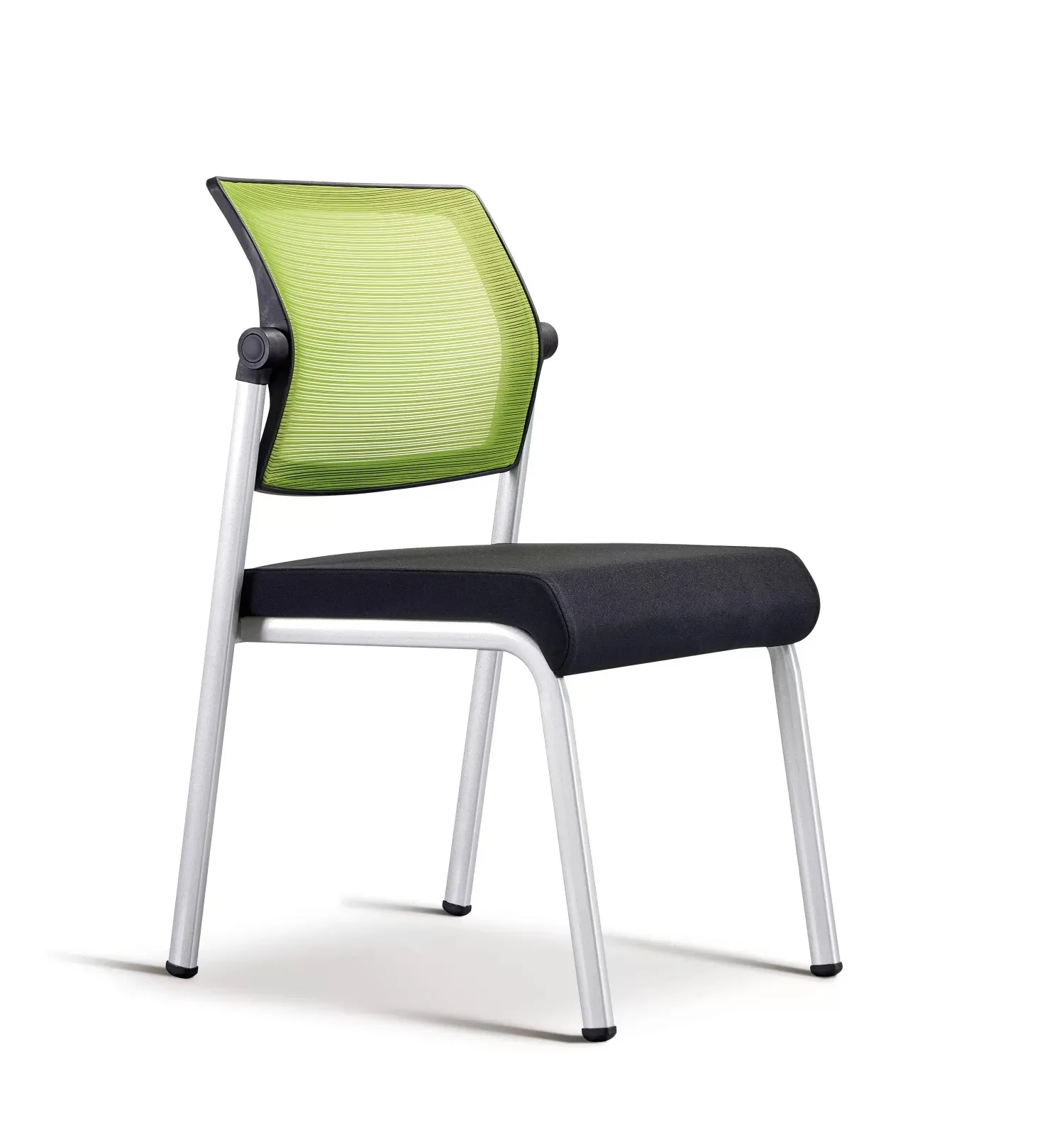
Folding Conference Room Chairs for Space Efficient Meeting Areas
This guide compares folding, stacking, and nesting conference chairs, with space-planning calculations, ergonomic criteria, storage advice, supplier considerations, and layout examples for flexible meeting areas.
Sep. 23 2026
Folding Conference Room Chairs Applications in Training Centers and Event Venues
This guide explains Folding Conference Room Chairs Applications in Training Centers and Event Venues, covering layouts, storage, durability, comfort, transport, and procurement decisions.
Sep. 18 2026
Flip Top Training Tables and Chairs Combination Solutions for Education Spaces
This guide explains how flip top training tables and chairs support flexible education spaces through mobile layouts, compact storage, durable construction, and practical procurement planning.
Sep. 16 2026
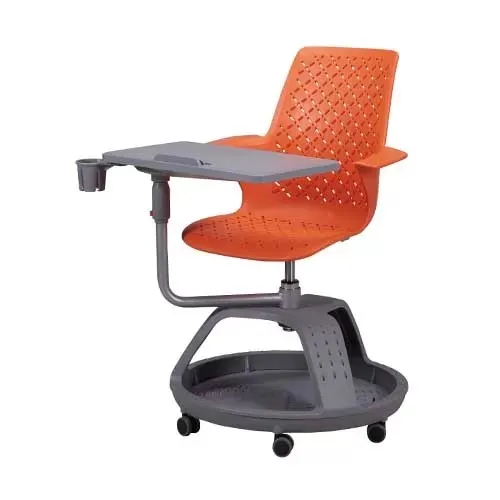
Customized Training Chairs for Universities, Companies and Learning Centers
This guide compares customized training chairs for universities, companies and learning centers by ergonomics, mobility, customization, durability, procurement risk and indicative pricing.
Sep. 11 2026
Benefits of Flip Top Training Tables in Training Rooms and Conference Centers
The benefits of flip top training tables include faster room changes, compact storage, mobile layouts, and practical support for frequent commercial use.
BY YOUR SIDE
Our team works with you during every phase of the project.

Tel/Wechat/WhatsApp:
/
Email:
Quick Navigation
Quick Navigation
Stay in Touch
Stay in Touch


